back
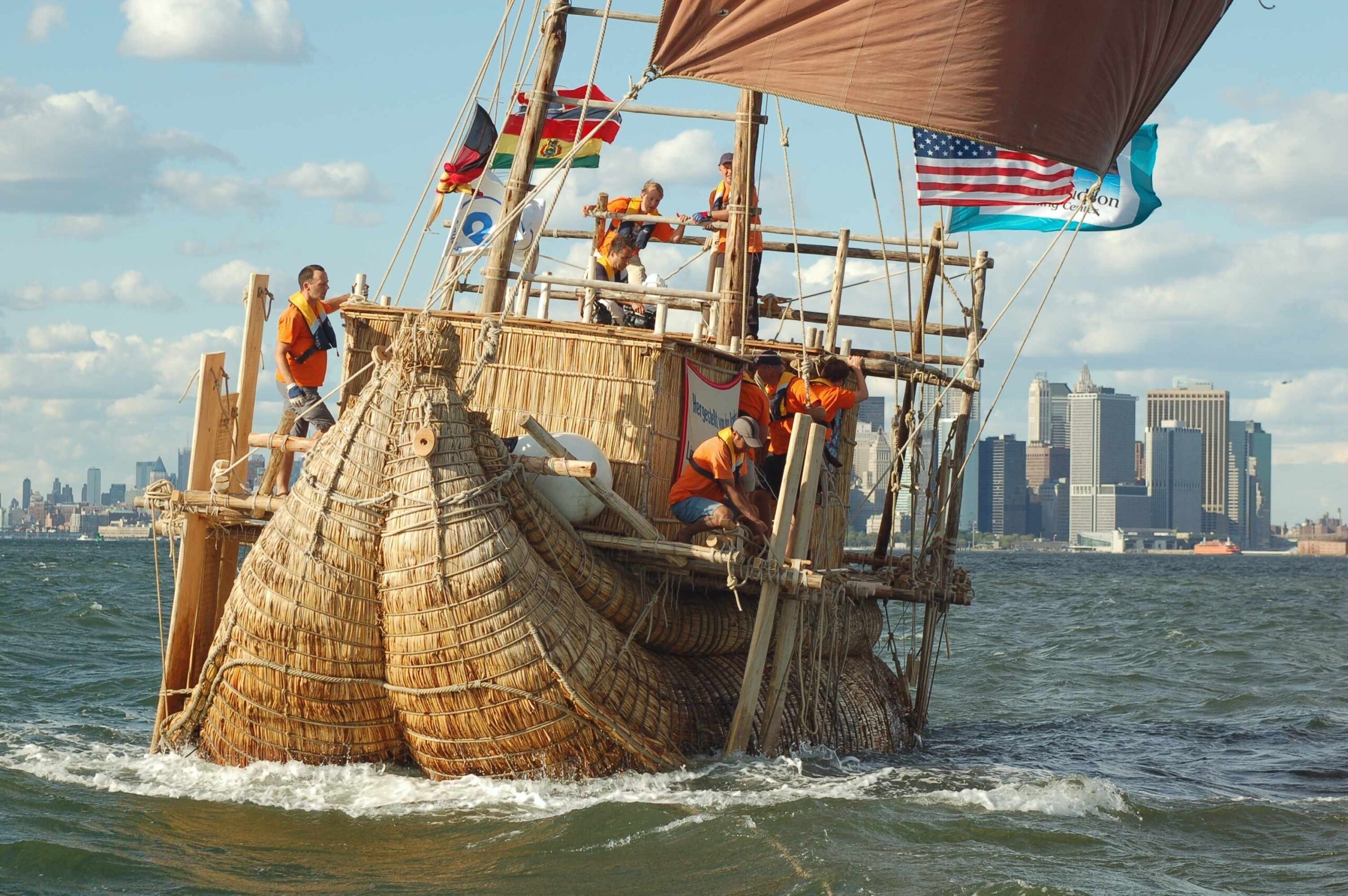
ABORA III
First return crossing of the North Atlantic in a reed boat

Goal
First crossing of the North Atlantic in a reed boat in 2007
Size
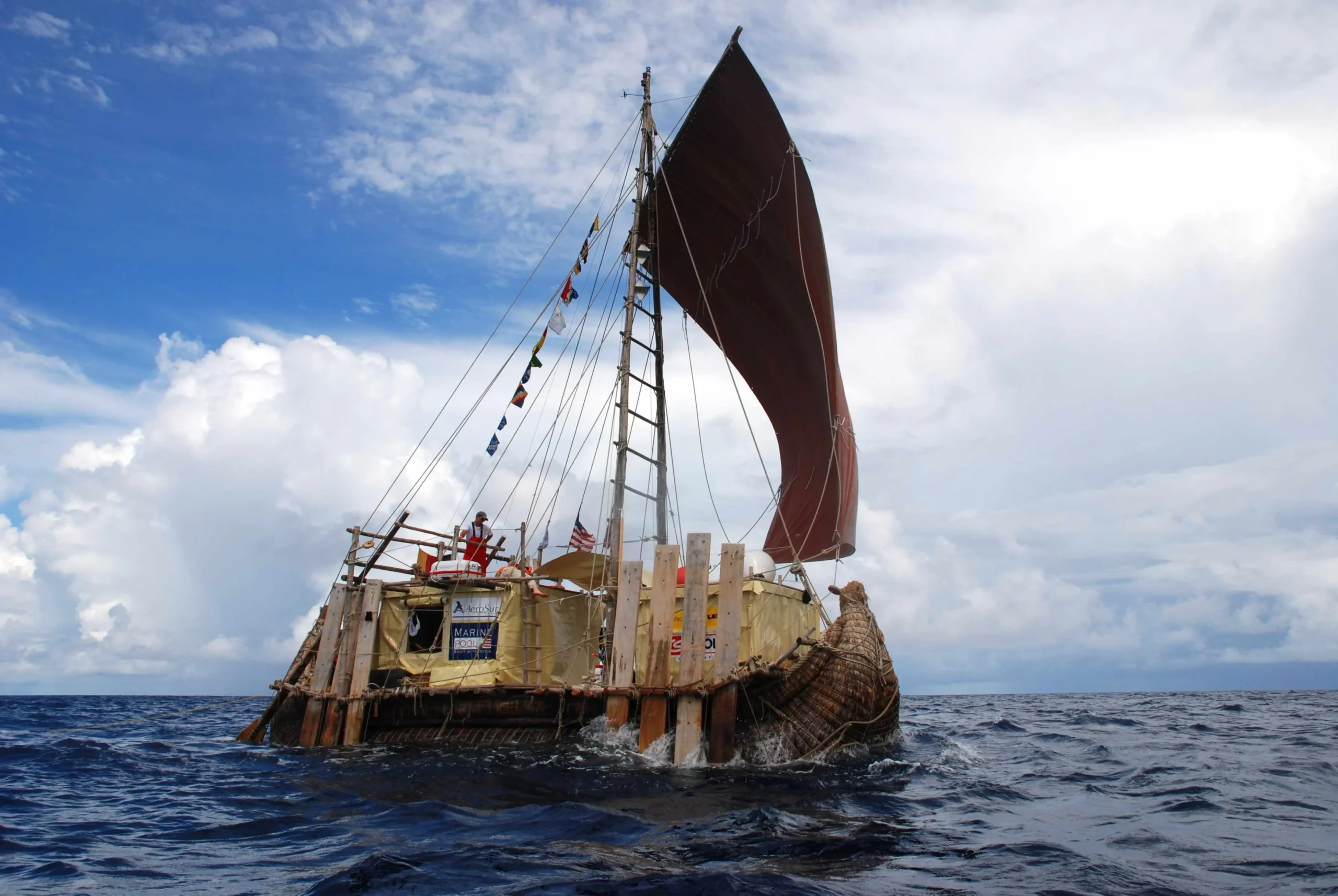
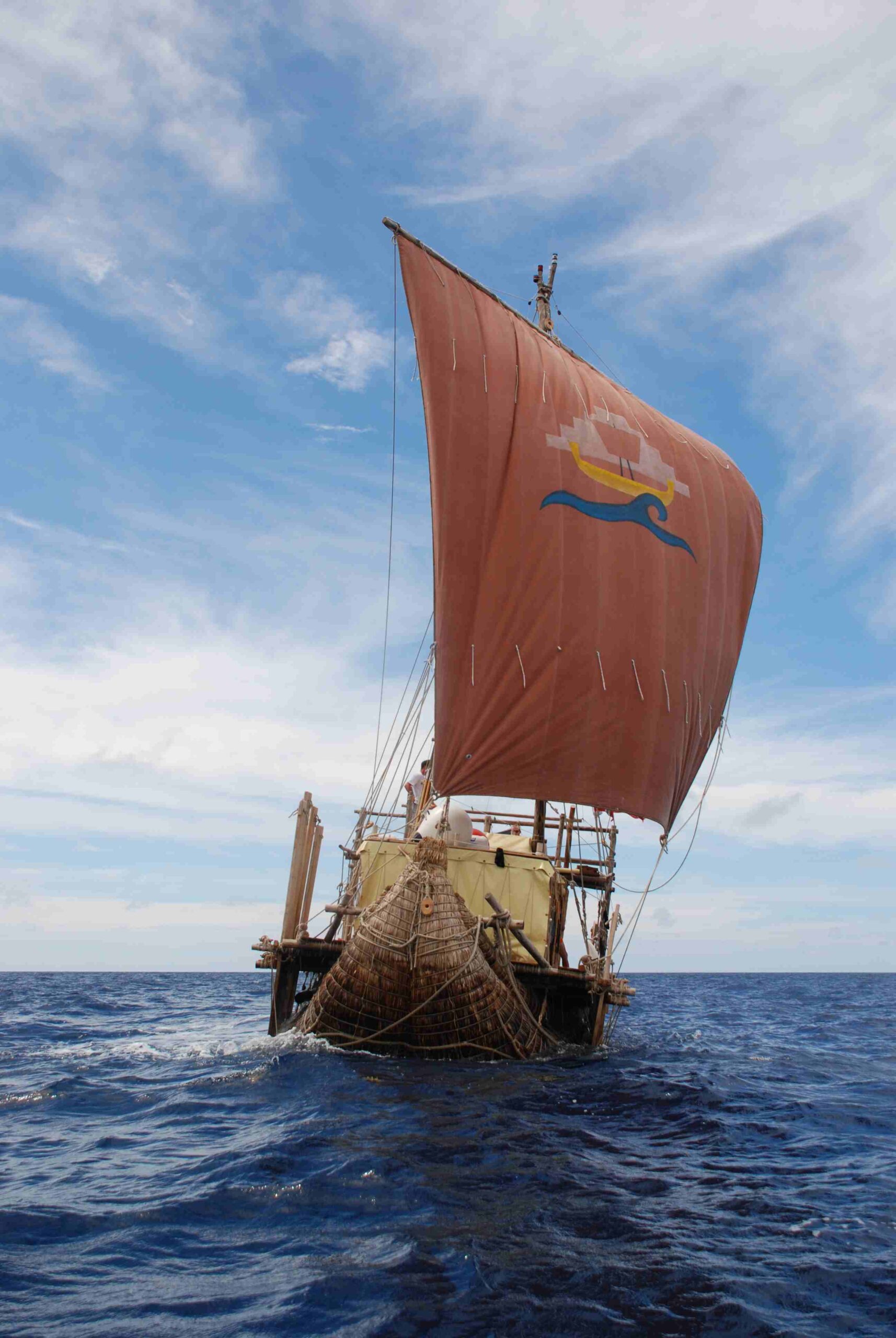
Length 12 m, width 4 m, weight 12 t, sail area approx. 56 m²
Material
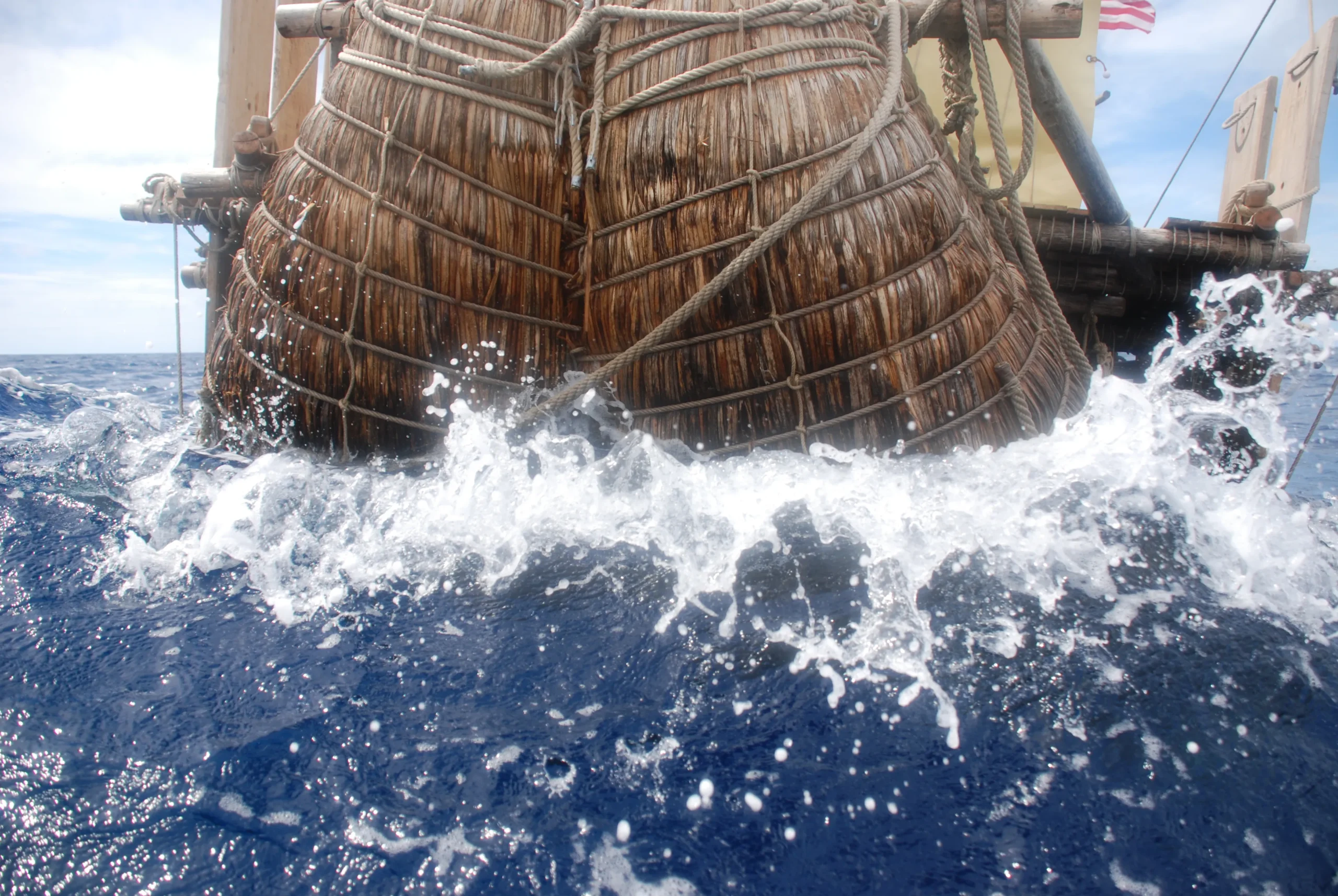
Totora reed
Sailing performance
Average sailability approx. 82° to the wind
Travel itinerary
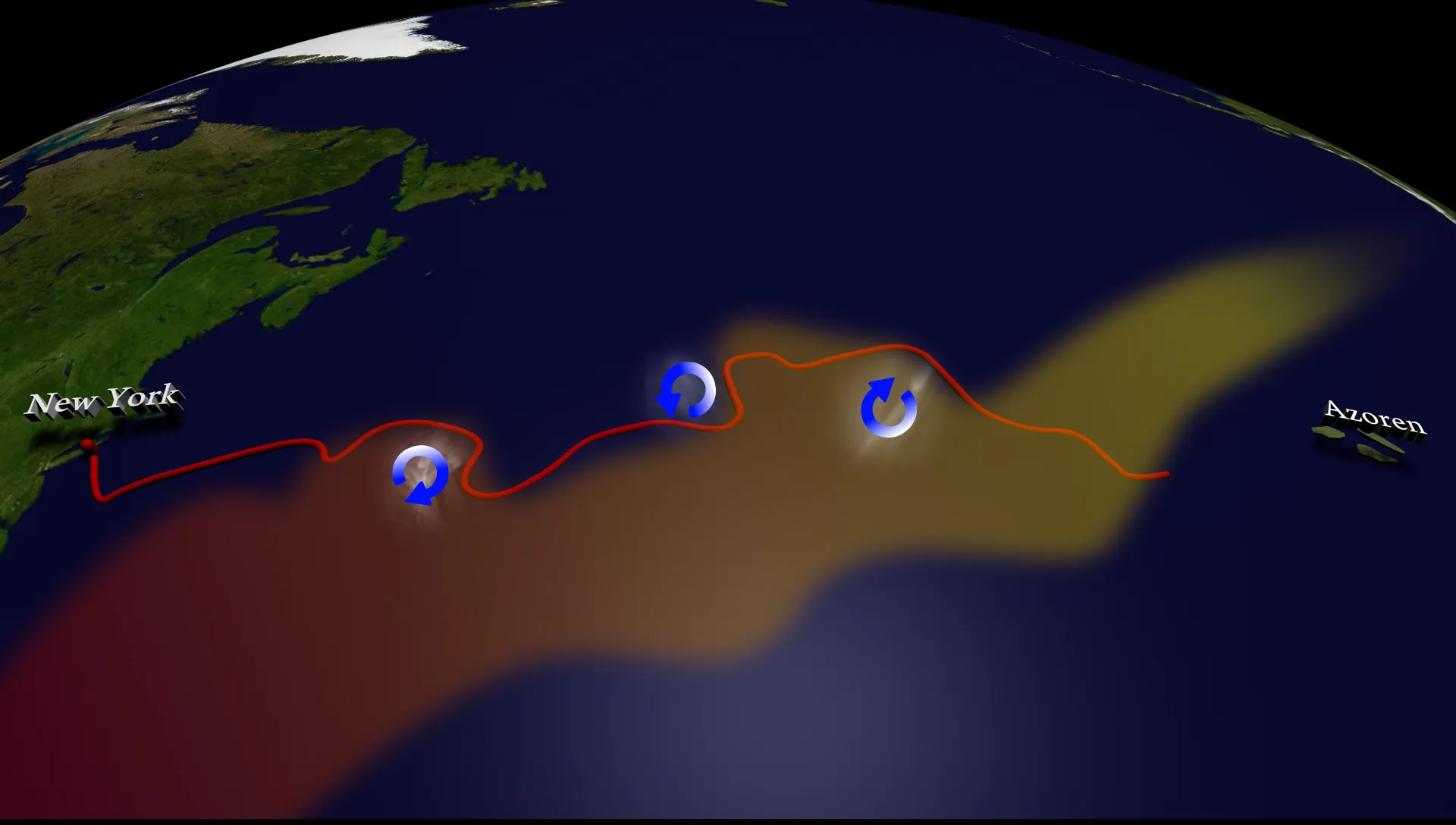
From New York along the Gulf Stream to the Azores, approx. 4,400 km
Objective and scientific question
The ABORA III expedition was intended to be the first modern-day attempt to experimentally verify whether a prehistoric seafaring vessel could cross the Atlantic on the significantly more challenging northern route along the Gulf Stream system from the New World to the Old World.
Although Thor Heyerdahl had already proven in the mid-20th century that transatlantic voyages from east to west were technically possible with the trade winds, he considered a return journey via the rough northern route to be fundamentally unfeasible. This paradigm formed the central starting point for the objectives of ABORA III.
The ABORA II expedition (2002) had already demonstrated that round trips with prehistoric reconstructed reed boats are feasible in principle. With ABORA III, however, the focus shifted from pure maneuverability to suitability for long-term long-distance trade voyages under the extreme conditions of the North Atlantic.
A significant impetus came from the work of Dominique Görlitz as part of his doctoral studies at Friedrich-Alexander University in Erlangen-Nuremberg. The ancient American phytoalkaloids—in particular nicotine and cocaine—found in Egyptian mummies by Dr. Swetlana Balabanova (1992–1997) are still rejected today on the grounds that prehistoric seafaring vessels were too primitive to navigate the stormy North Atlantic and enable long-distance trade.
In addition, the following questions were the focus of attention:
- Drift experiments on the long-term buoyancy of cultivated plants and fruits
- verifying whether seeds and fruits (including tobacco, cotton, and bottle gourds) could have crossed the Atlantic without human intervention
In particular, the strongly meandering Gulf Stream system with its large, energy-rich water eddies (English: eddies) was considered unnavigable for a reed boat by maritime historians. ABORA III was intended to empirically test this assumption for the first time.
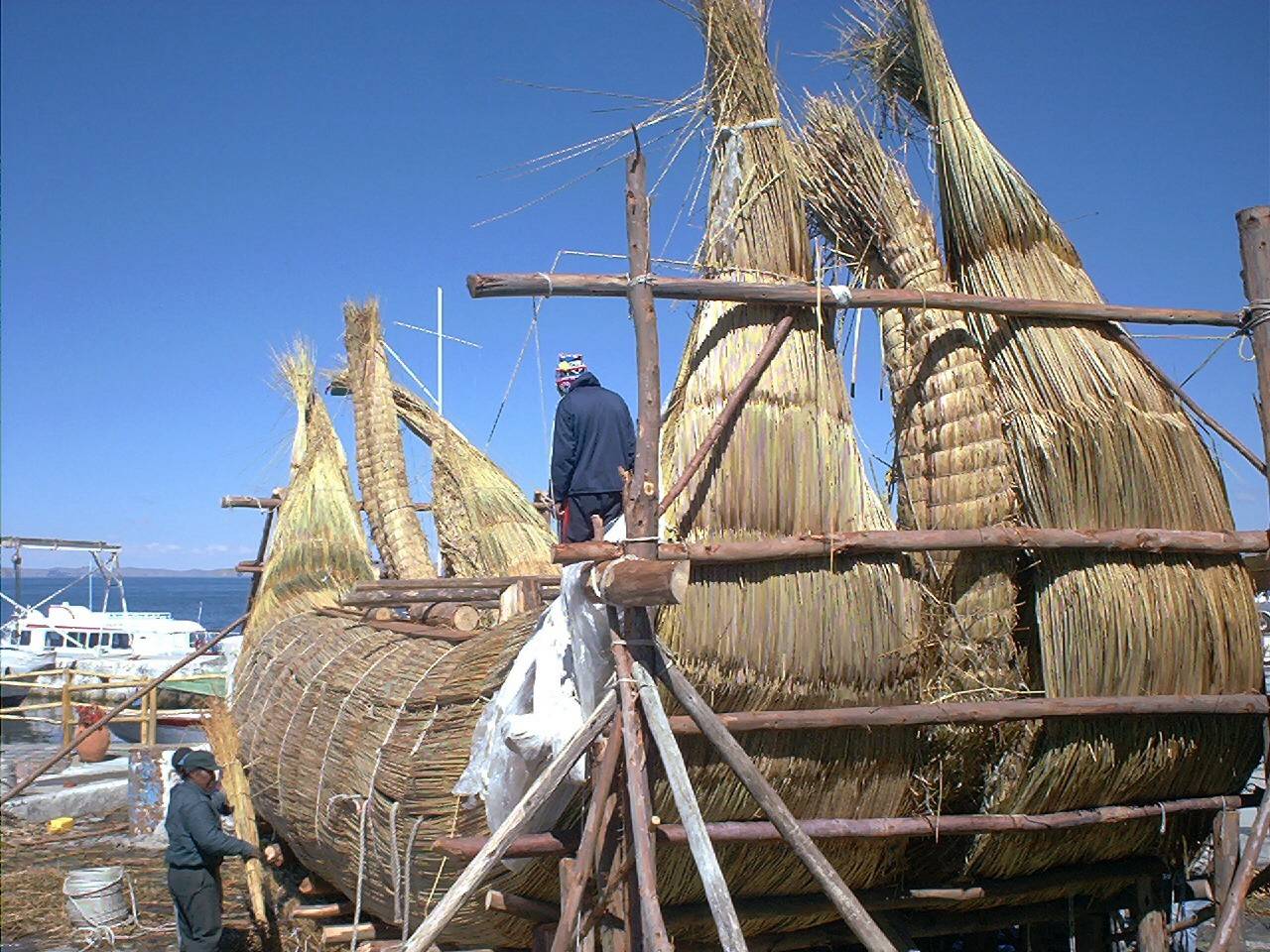
Construction and technical design
As with the previous project, ABORA III was built on Lake Titicaca, this time under the direction of Fermin Limachi. The focus of the further development was on:
- increased structural stability of the reed hull,
- an optimized, cylindrical hull architecture,
- as well as improved coordination of mast, sail area, and leeboards to cope with headwind courses.
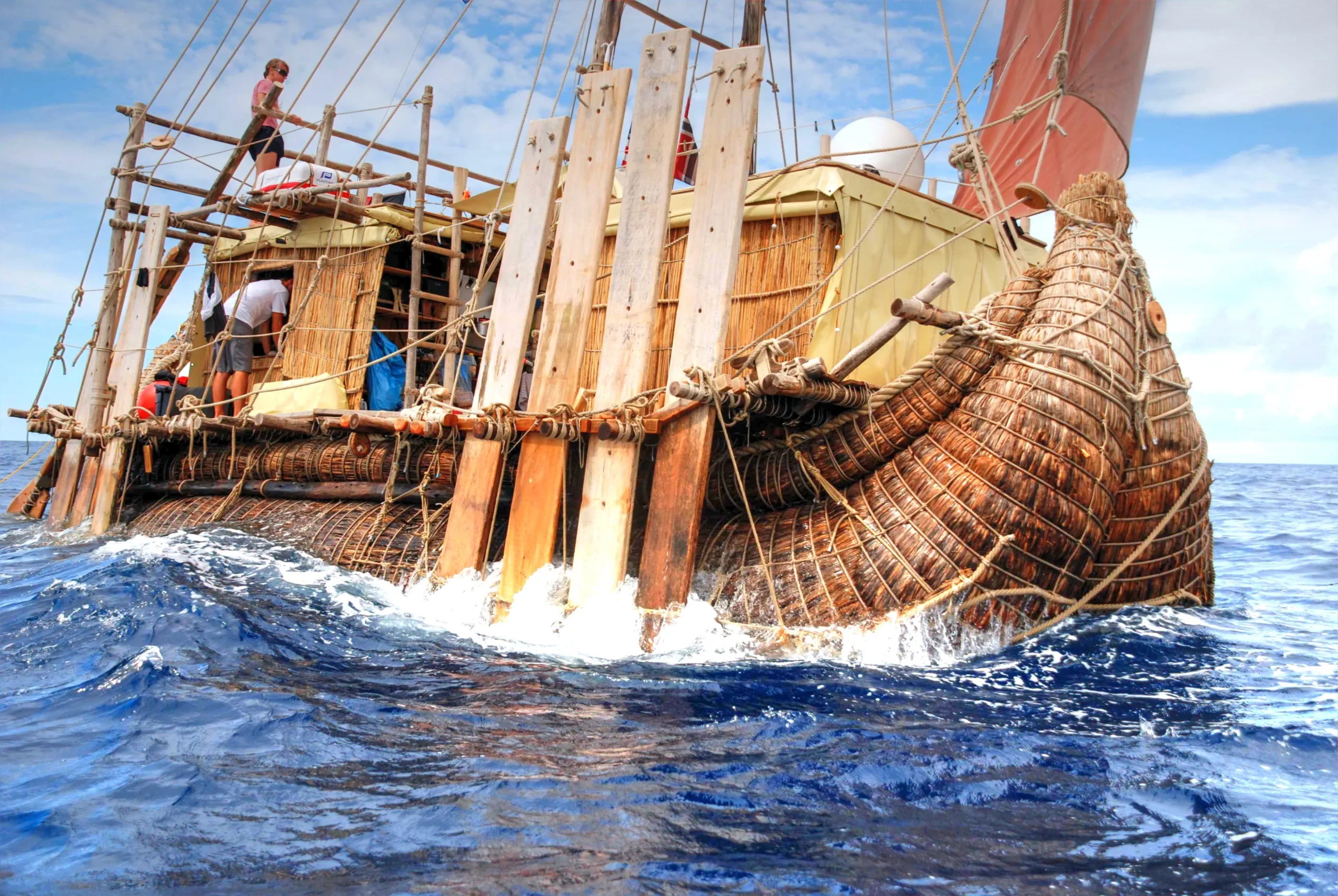
The boat was once again constructed from totora reed (Schoenoplectus californicus ssp. totora), a geographical subspecies of the European club-rush. Historically, this plant has been documented as being used for boatbuilding, among other places, in Sardinia, Corfu, and Morocco.
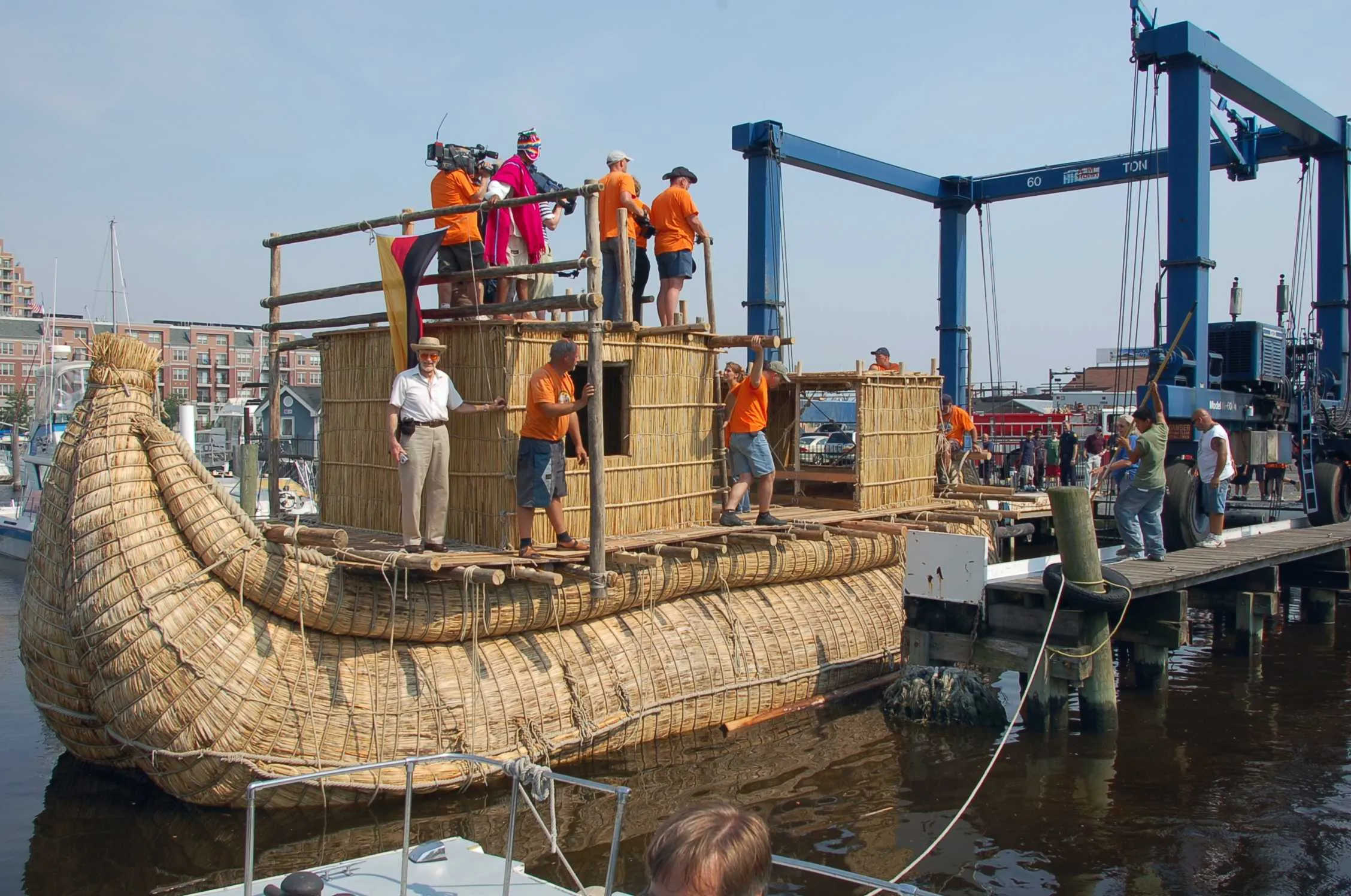
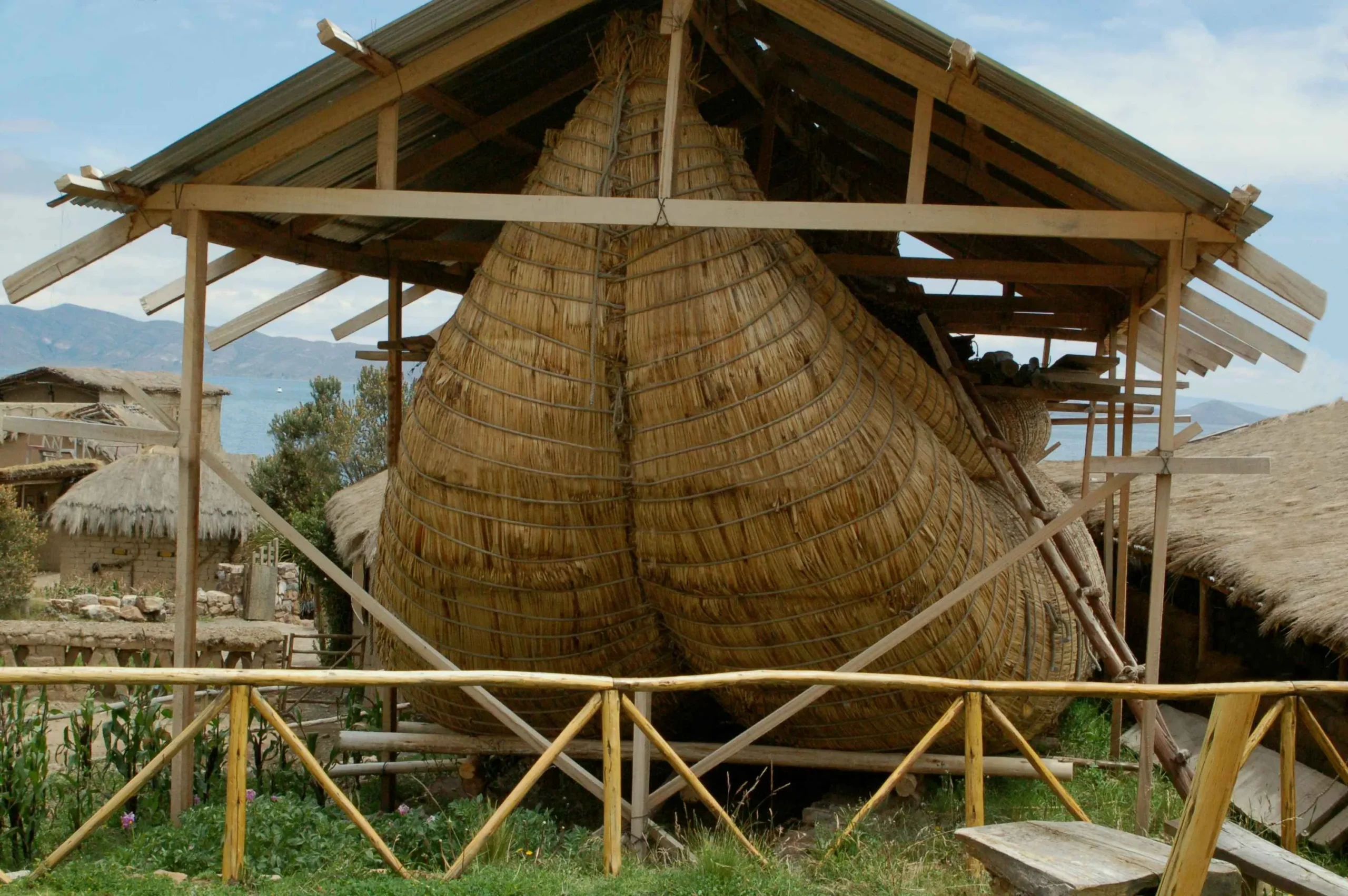
Route and execution of the expedition
ABORA III was designed as a true ocean-going expedition. The route deliberately followed the Gulf Stream system in order to experimentally disprove the widespread dogma that the North Atlantic was uncrossable for a reed boat.
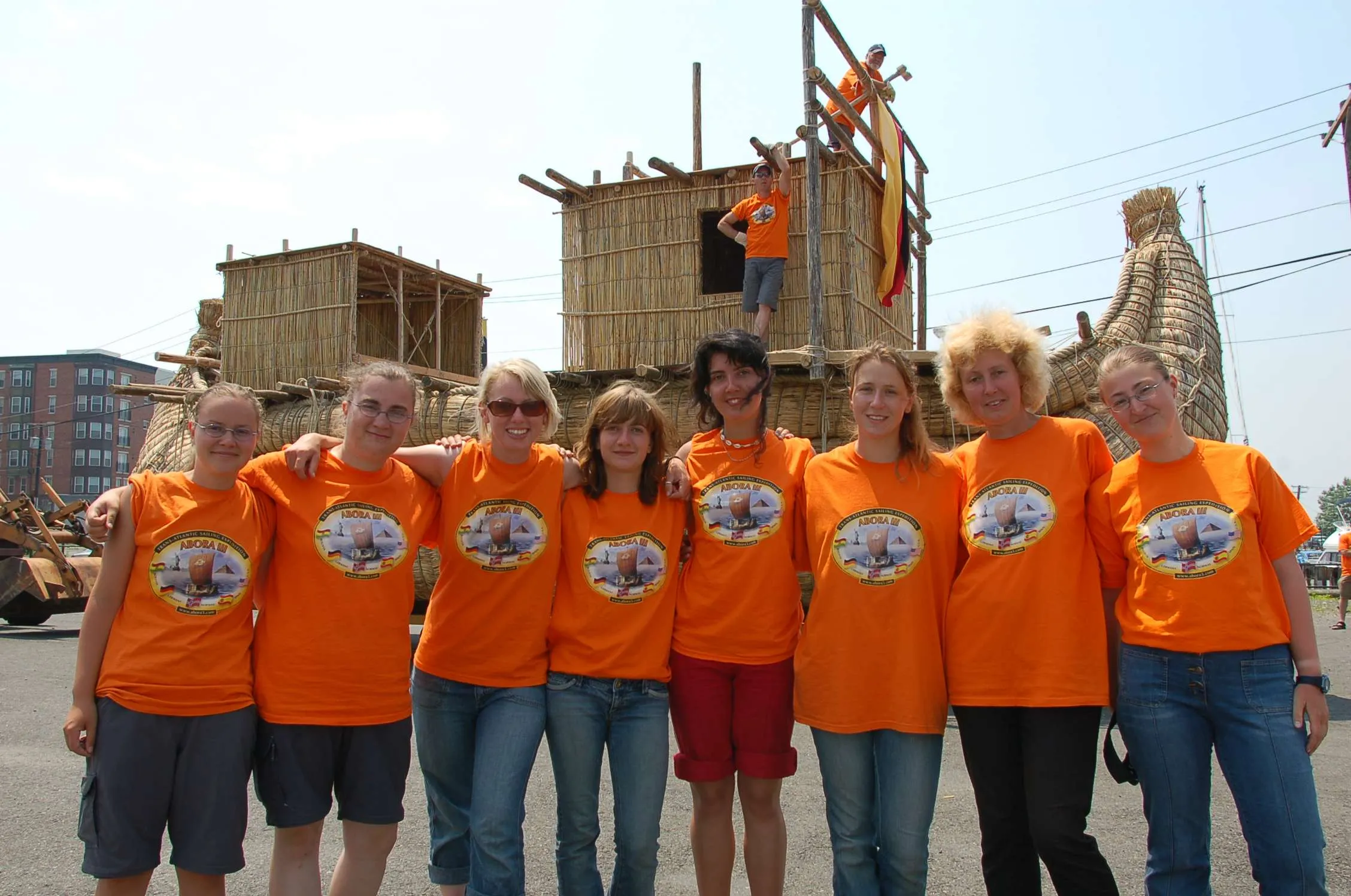
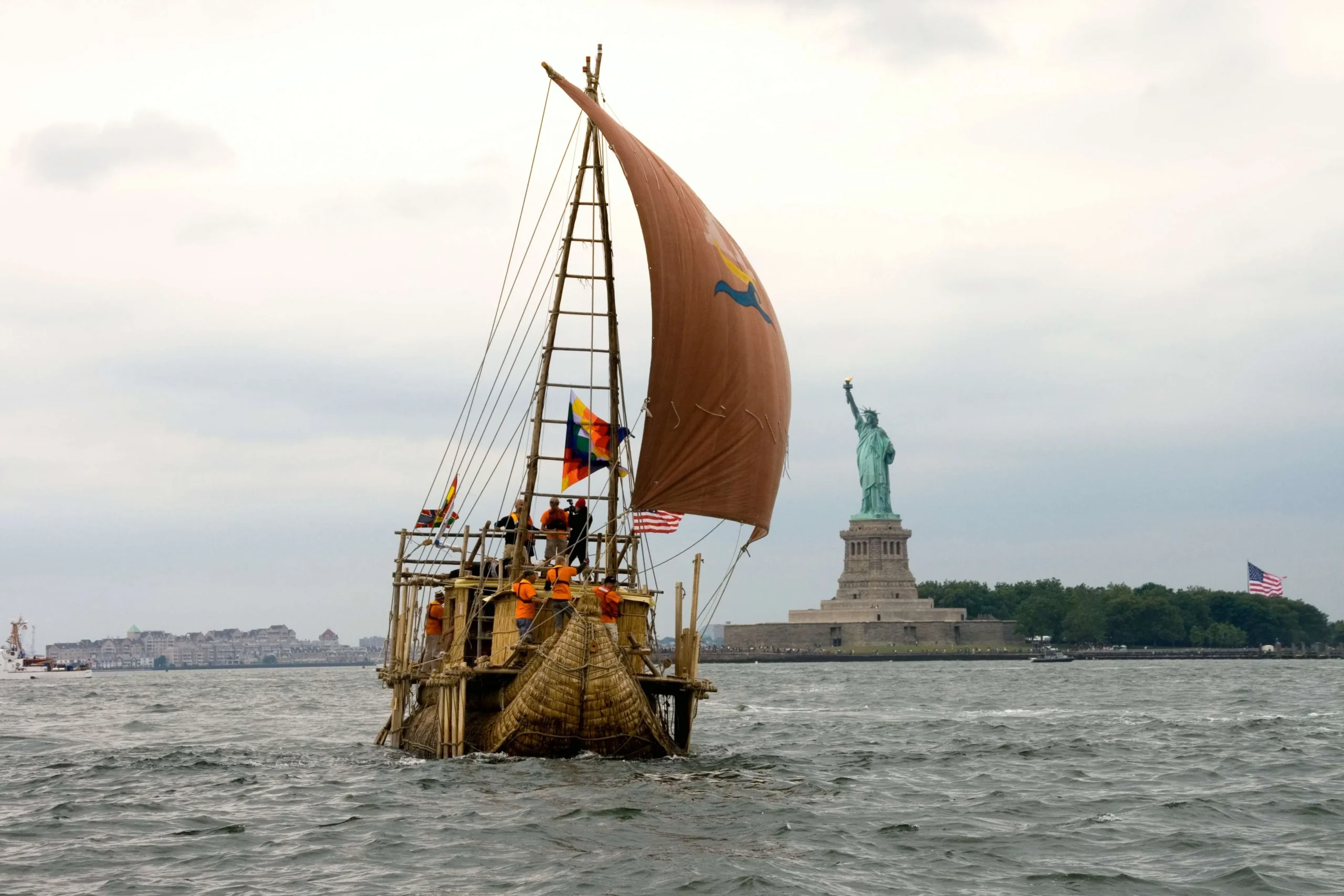
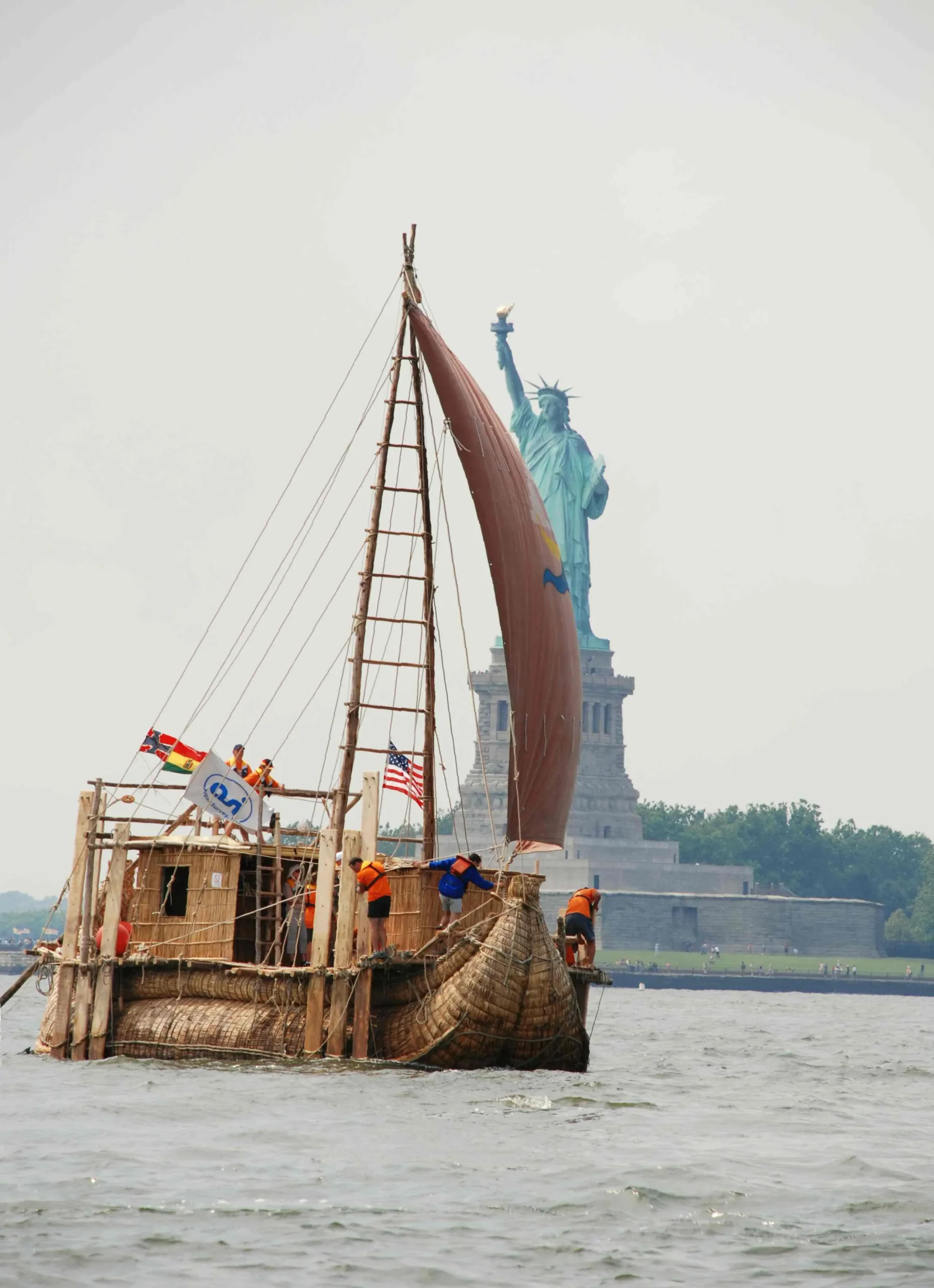
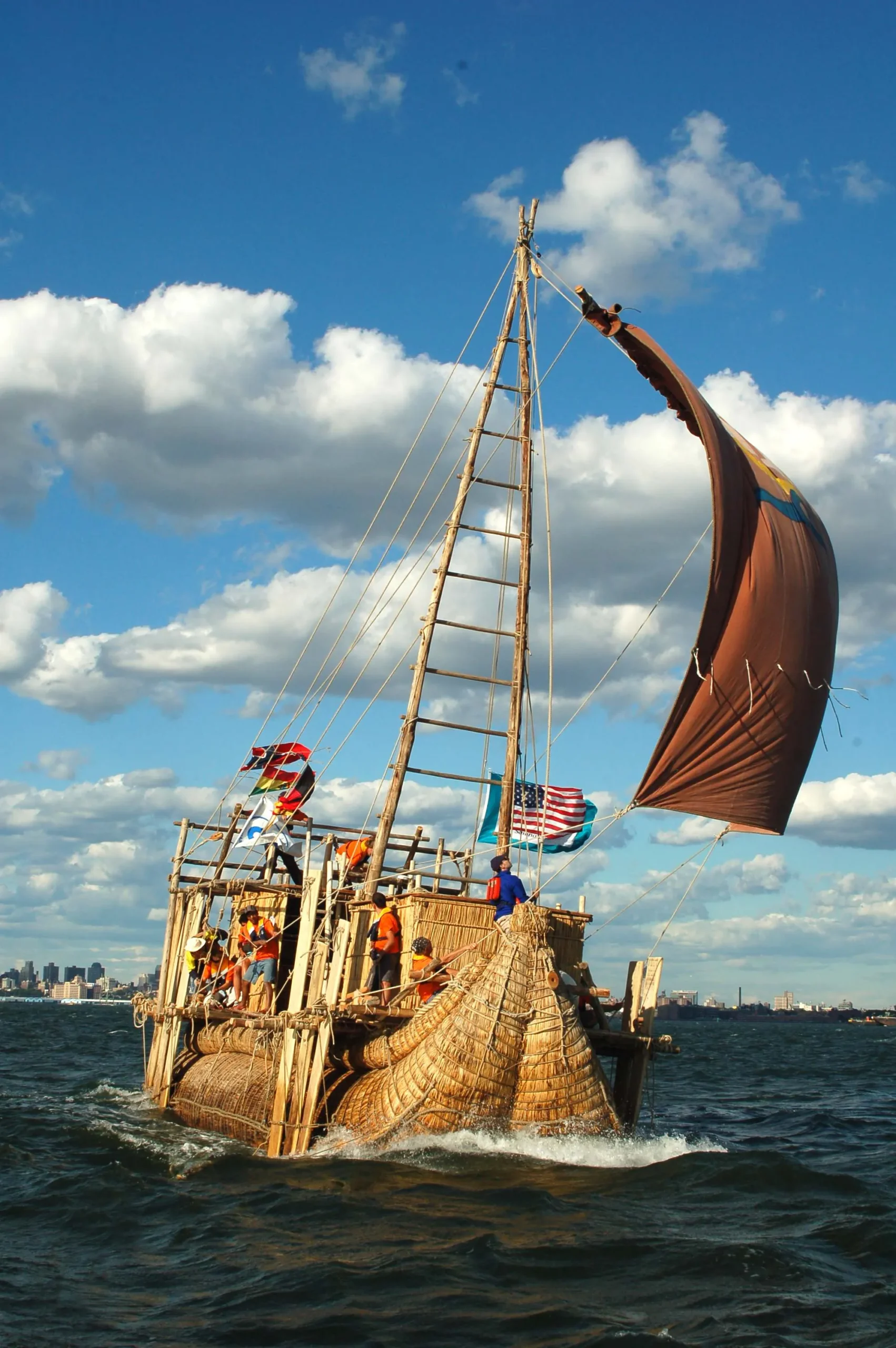
Due to logistical problems (customs, transport, and unfavorable weather conditions), the start was delayed until July 11, 2007, in Manhattan. Despite—or perhaps because of—the high risks involved, media attention was enormous. Parts of the German press polemically described the project as a “daring venture.” The expedition was documented by ZDF as part of the Terra X editorial team.
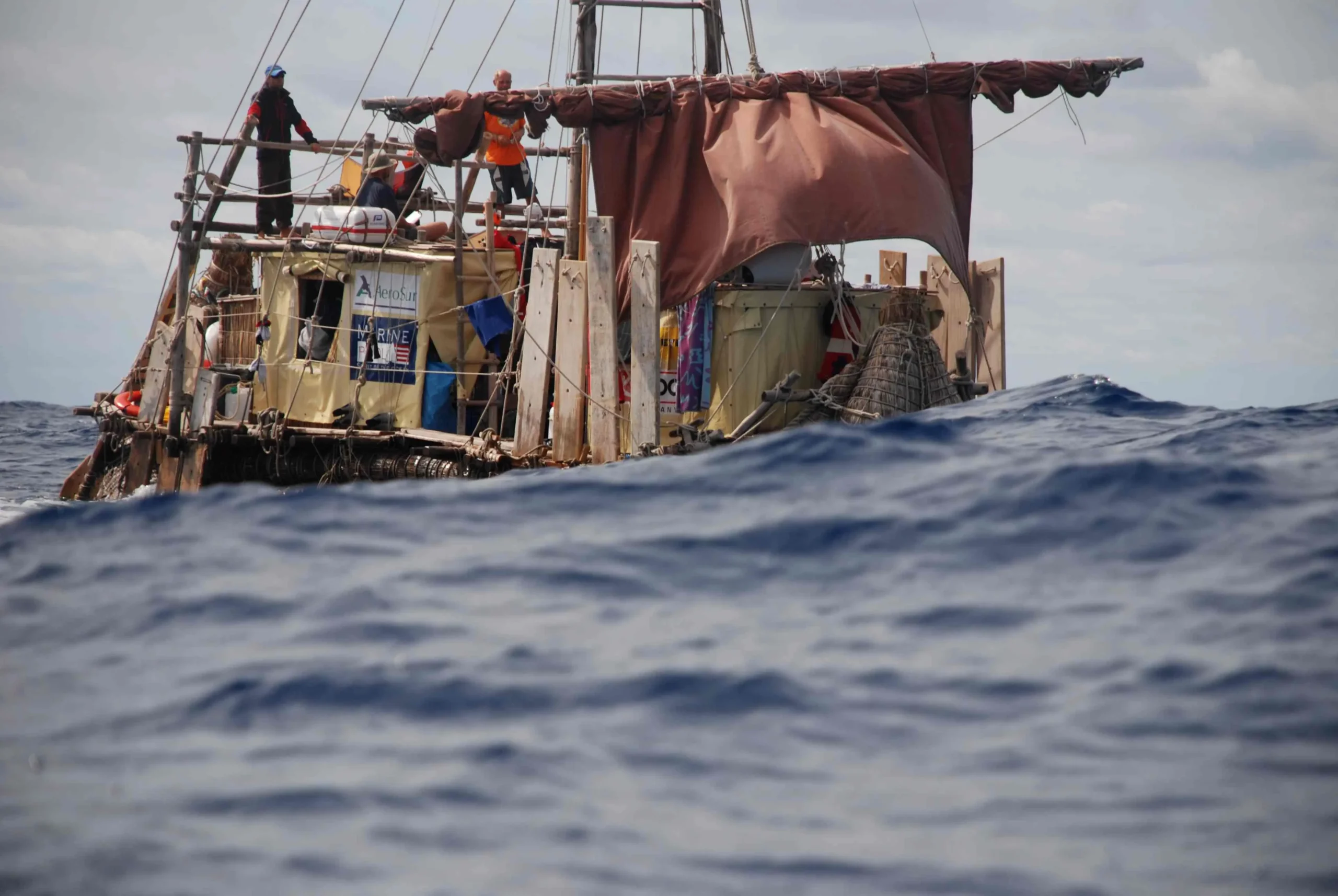
The delayed departure meant that ABORA III encountered increasingly unfavorable weather conditions. An unusually high number of storms, some of them severe—13 in total, including two with wind force 10—took their toll on the reed boat, which had already been damaged during its transport from Bolivia to New York.
Around 600 nautical miles off the Azores, the expedition finally had to be abandoned prematurely.
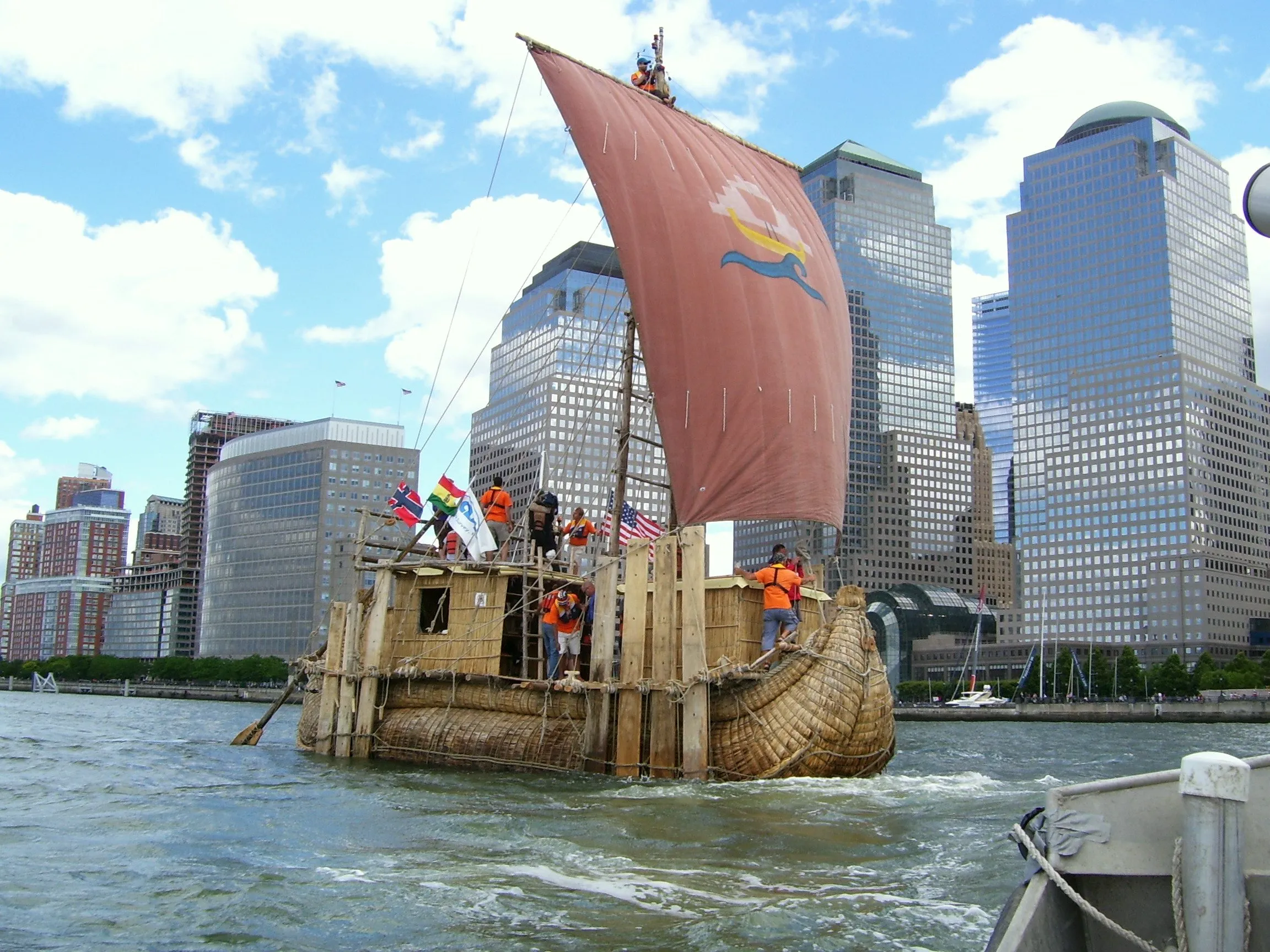
Within the ABORA projects, ABORA III marks the decisive transition from Mediterranean coastal and island navigation (ABORA I & II) to the experimental exploration of the open North Atlantic.
For the first time, an ABORA project brought together:
- a mature ship design
- extensive nautical experience under the extreme conditions of the North Atlantic
- and a clearly transdisciplinary question from archaeology, botany, oceanography, and maritime history
Classification within the ABORA series
Significance for classical studies
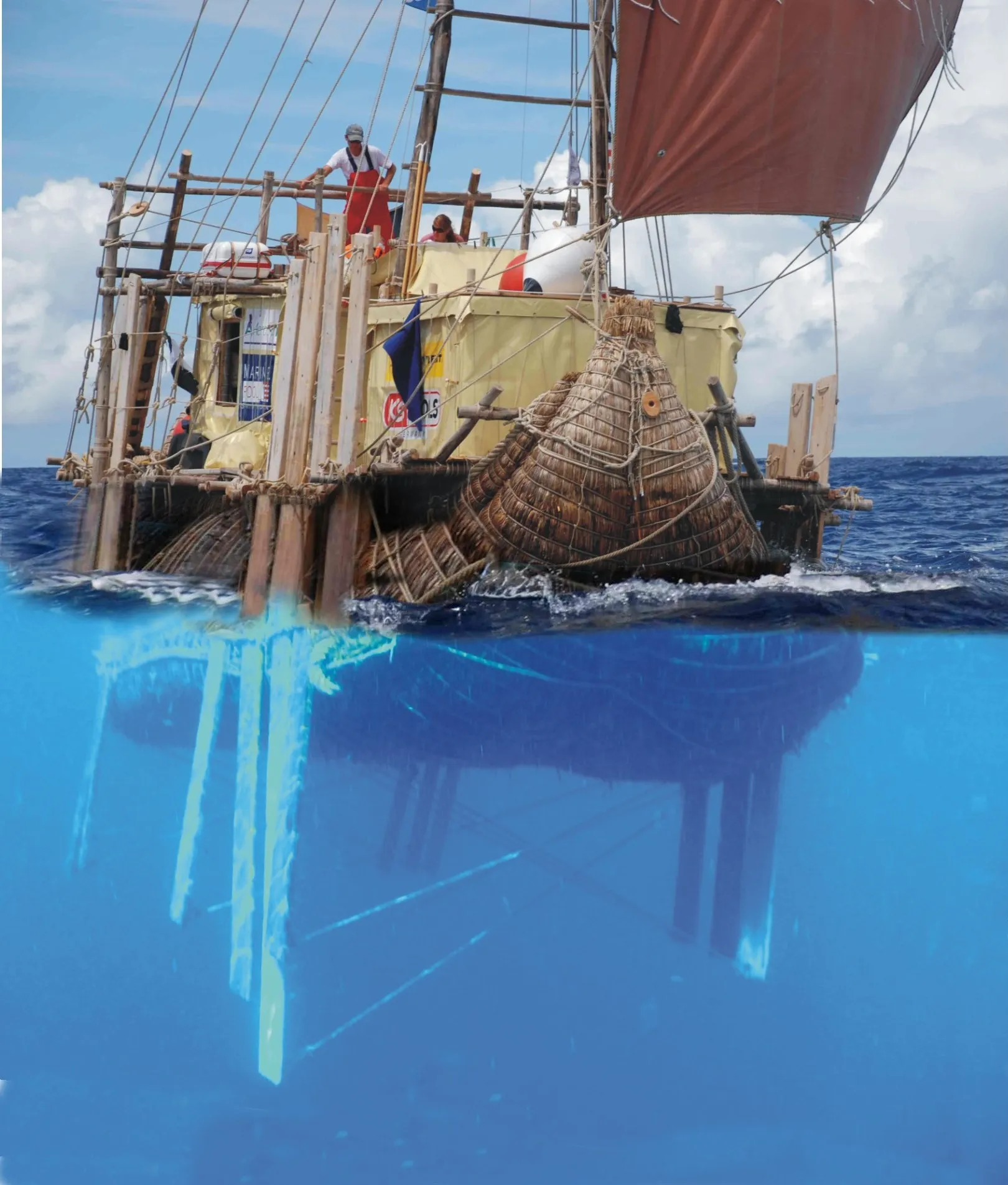
ABORA III demonstrated that experimental archaeology at sea not only tests individual hypotheses, but can also reconstruct complex maritime systems. The combination of deep-sea experiments and drift experiments provided new insights into the prehistoric spread of domesticated crops.
The findings close a crucial research gap (“missing link”) in the debate on the presence of ancient American plants in the Mediterranean region. This concerns not only tobacco and cocaine, but also other American species such as pineapple, agave, maize, and vanilla.
The Canary Islands-Gulf Stream system thus appears to have been a maritime transport route used not only since early modern times, but also in prehistoric times. This could explain both the transatlantic transfer of plants and cultural parallels on both sides of the ocean.