back
ABORA IV
The search for the iron of the pharaohs
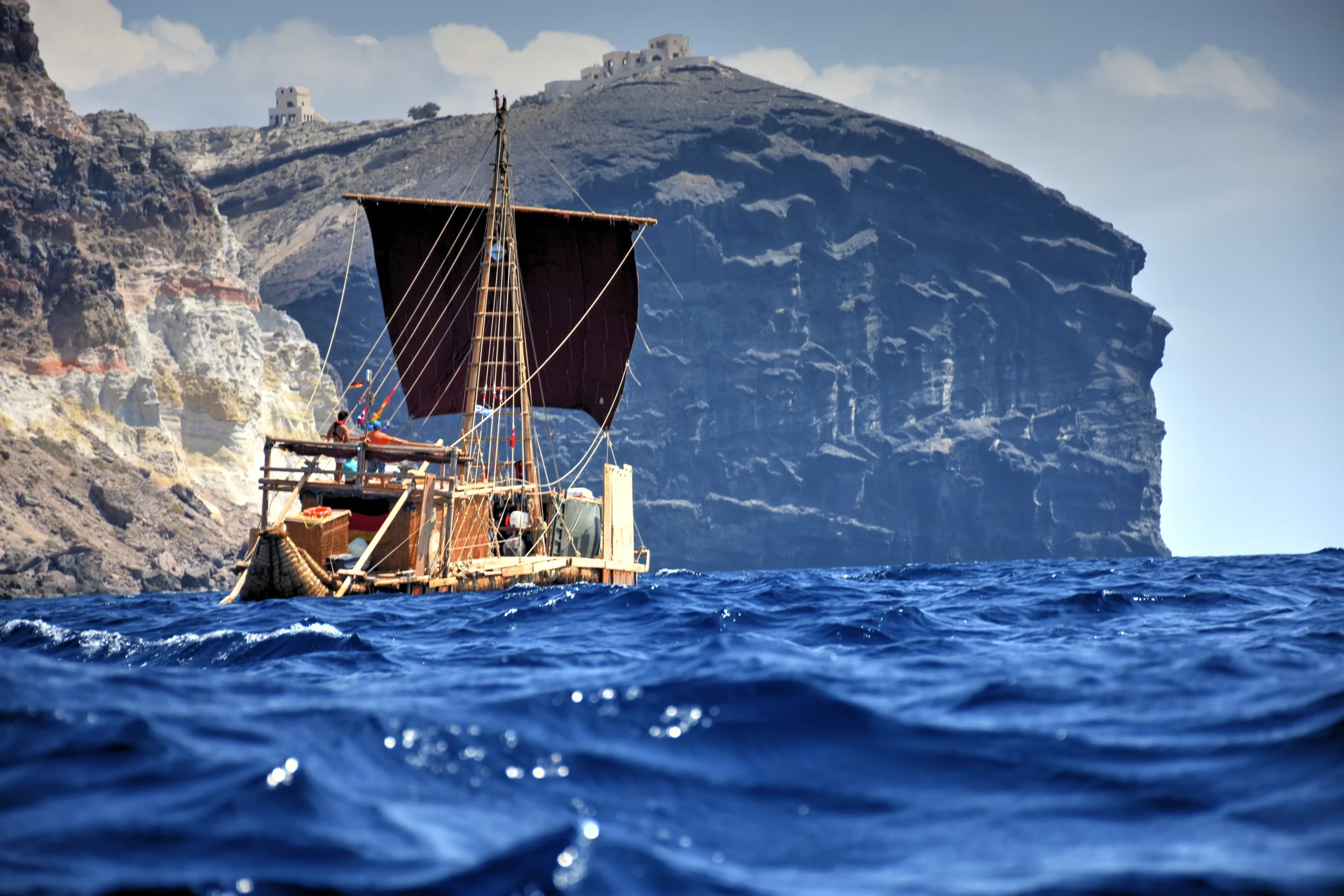

Goal
Navigation of the Black Sea and the Mediterranean Sea according to Egyptian traditions
Size
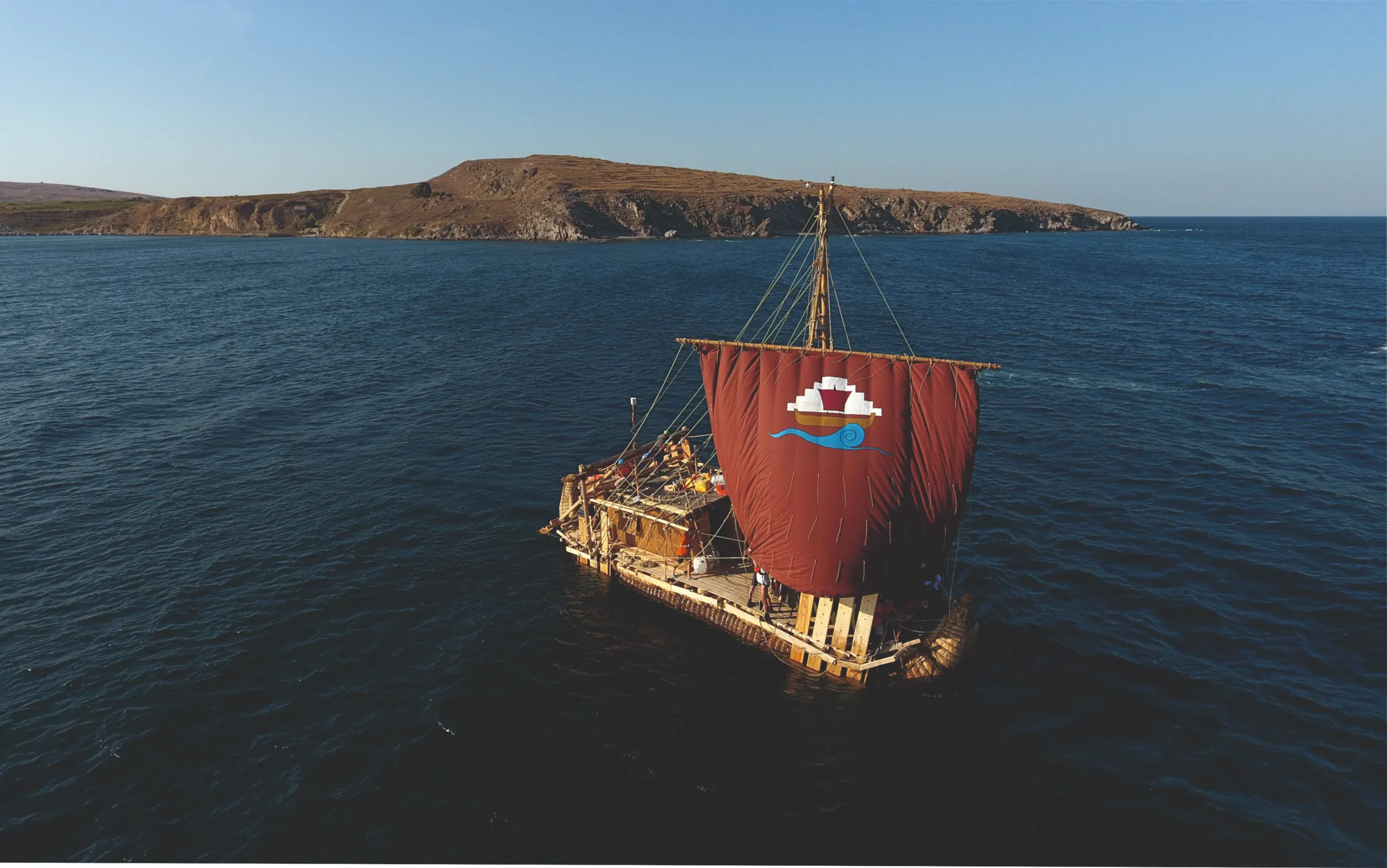
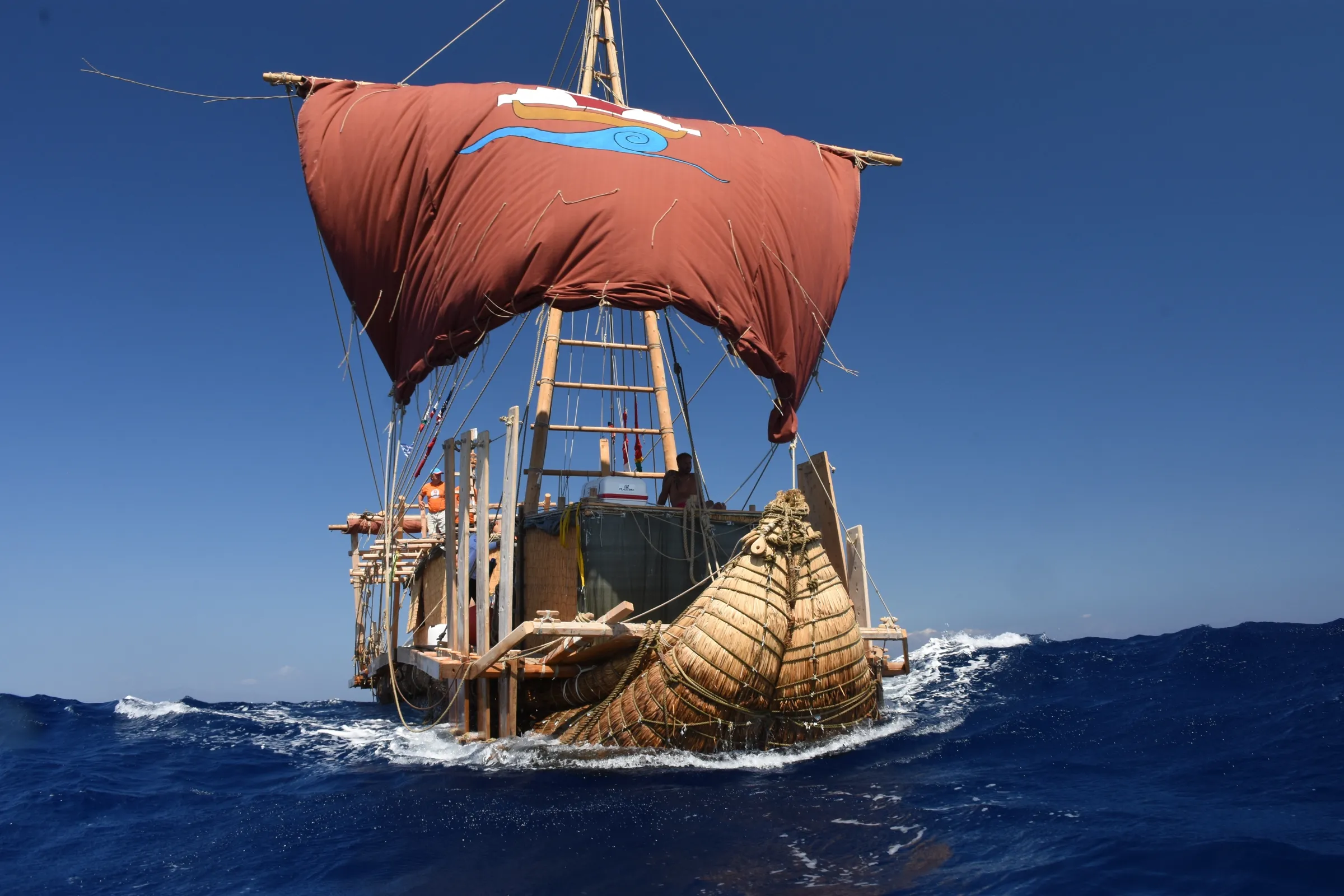
Length 14 m, width 4 m, weight 12 t, sail area: approx. 62 m²
Material
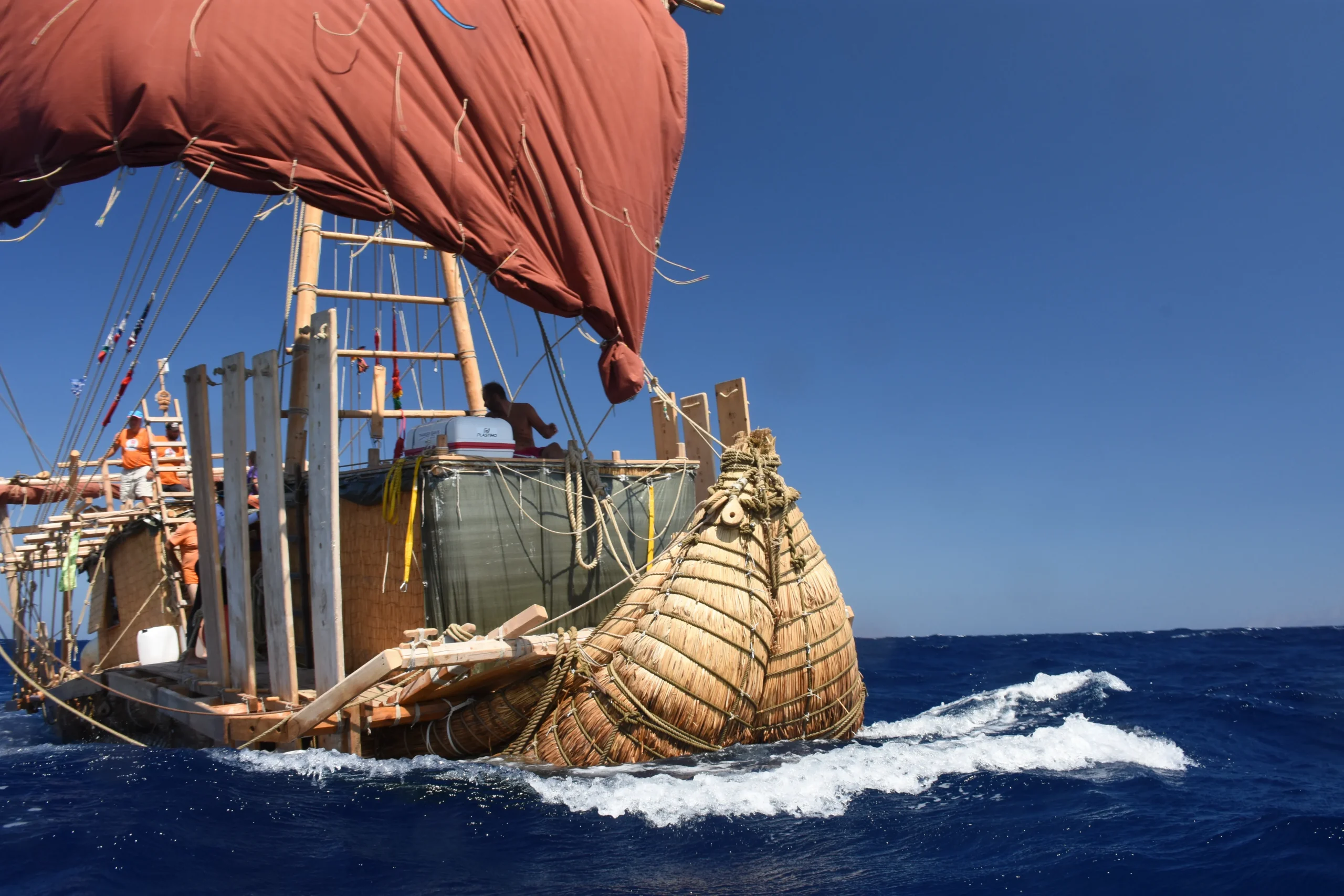
Totora reed
Sailing performance
Average sailability approx. 75° to the wind
Travel itinerary
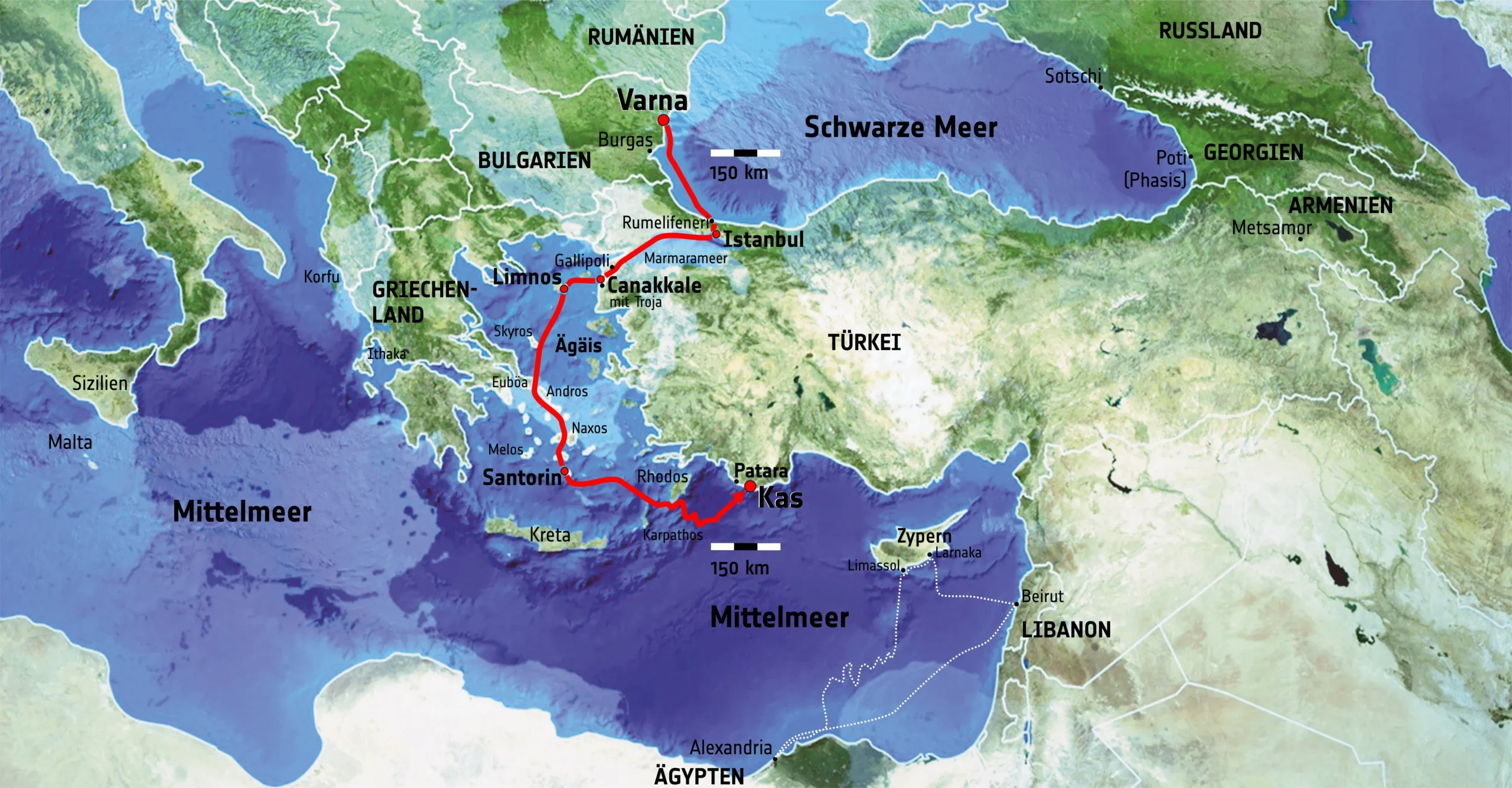
From Varna across the Black Sea via Istanbul, Limnos, Santorini to Kaş, approx. 1,550 km
Objective and scientific question
The ABORA IV expedition was a logical continuation of the Cheops Project (CP) from 2013. This project yielded archaeometric findings that indicate that iron tools were indeed used in the construction of the great pyramids as early as the 4th Dynasty.
This assumption is strikingly consistent with the accounts of the Greek scholar Herodotus (around 500 BC), who reported that iron was used in the construction of the Pyramid of Cheops. Herodotus went even further and described how the ancient Egyptians undertook extensive trading voyages as far as the eastern Black Sea region in search of precious raw materials that were not available in the Nile Valley.
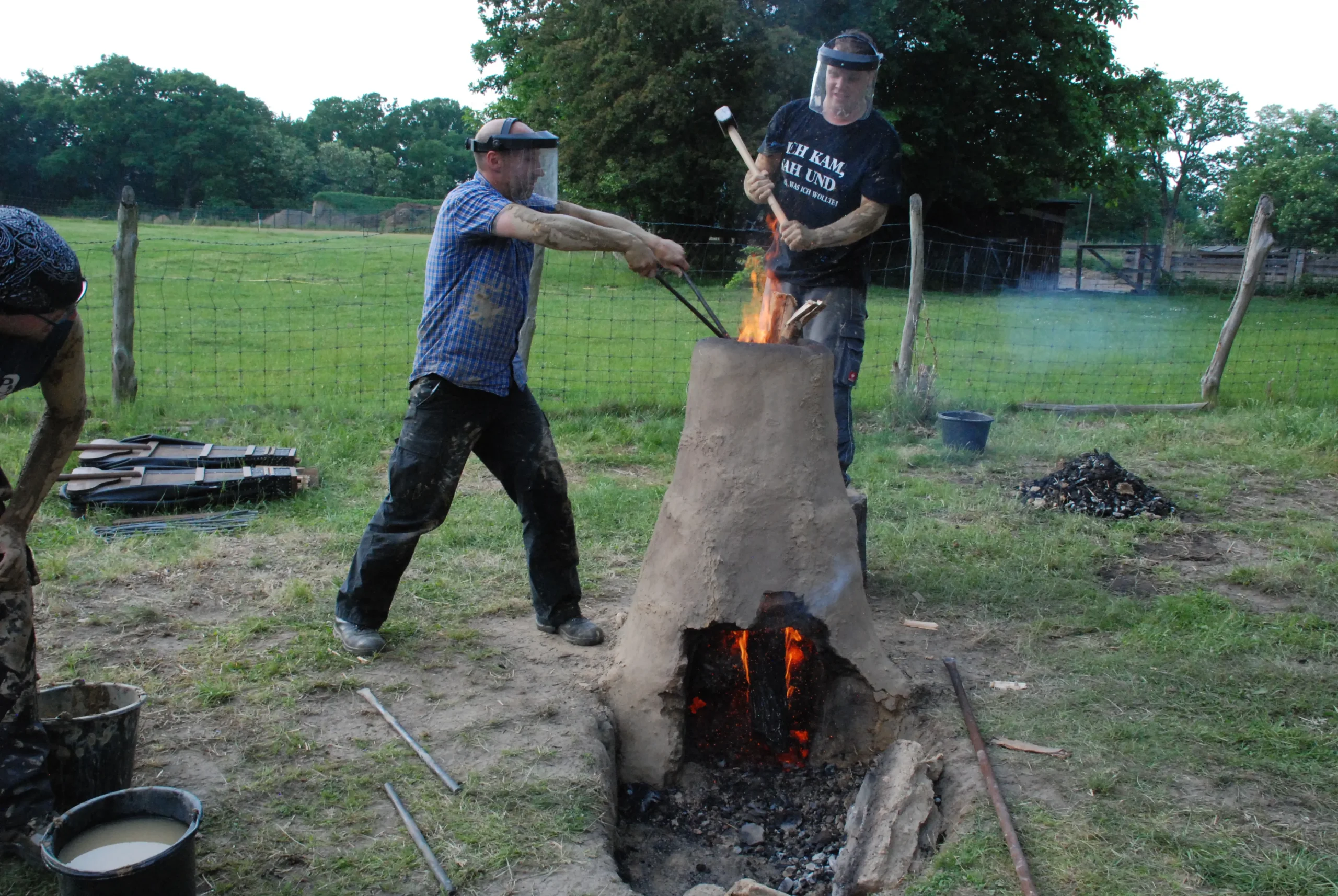
Iron in particular poses a central problem in this context: iron slag is almost completely absent from the archaeological findings of the Old Kingdom. This argues against local smelting in Egypt itself. At the same time, the paradigm persists in Egyptology that it was not until around 1600 BC that the Hittites were capable of smelting iron. On this basis, both the use of iron in the construction of the Pyramid of Cheops and extensive Egyptian long-distance trade voyages to the Black Sea region are still largely rejected today.
Against this backdrop, ABORA IV pursued one central goal: to experimentally verify whether a reed boat built according to ancient Egyptian methods would have been technically and nautically capable of navigating such a difficult trade route from the Black Sea region via the Bosphorus, the Sea of Marmara, the Hellespont, and the Aegean Sea to the eastern Mediterranean.
The chosen sea route is one of the most complex and challenging trade routes in the Mediterranean, making it an ideal test of the historical plausibility of the trade contacts recorded by Herodotus.
Construction and technical design
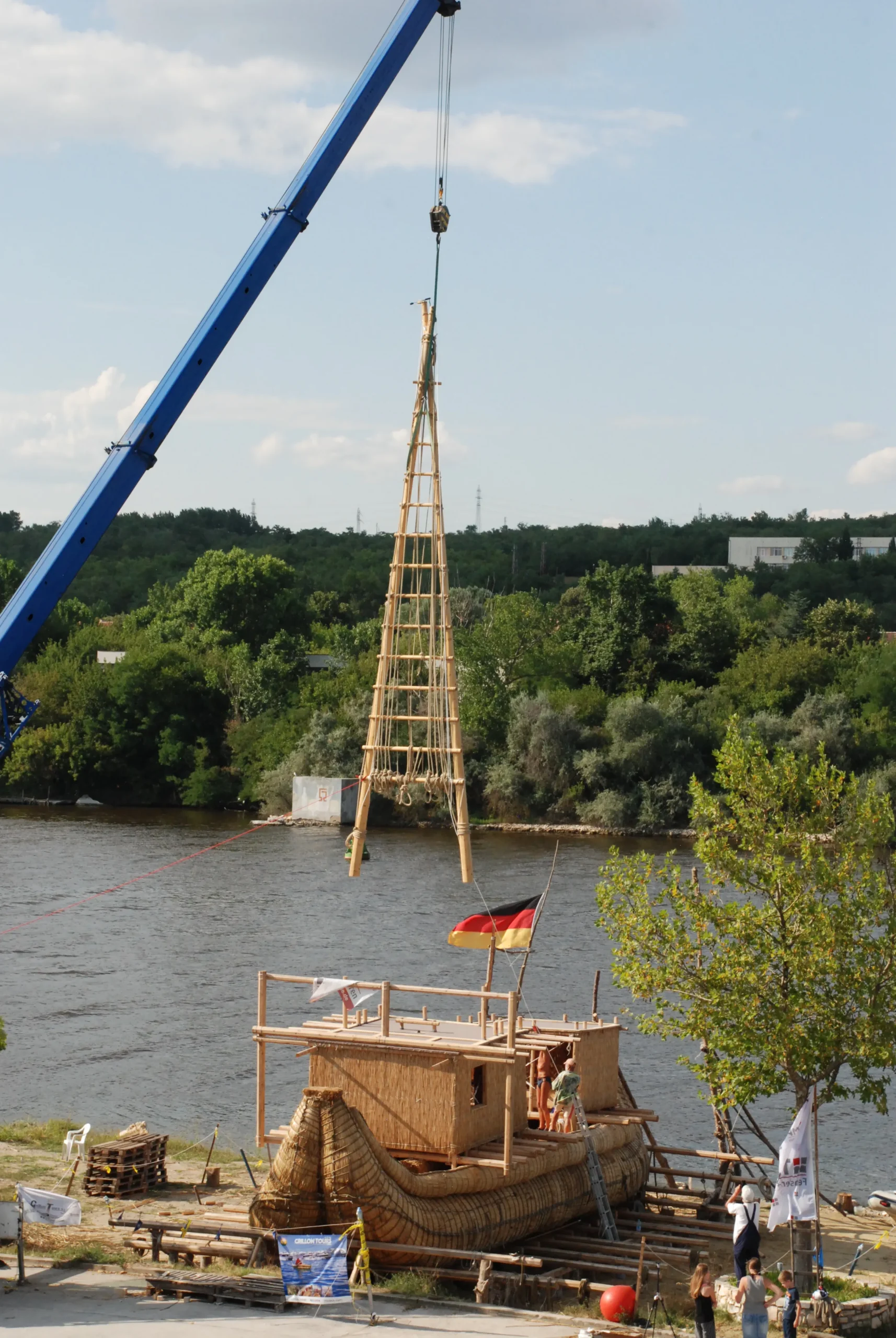
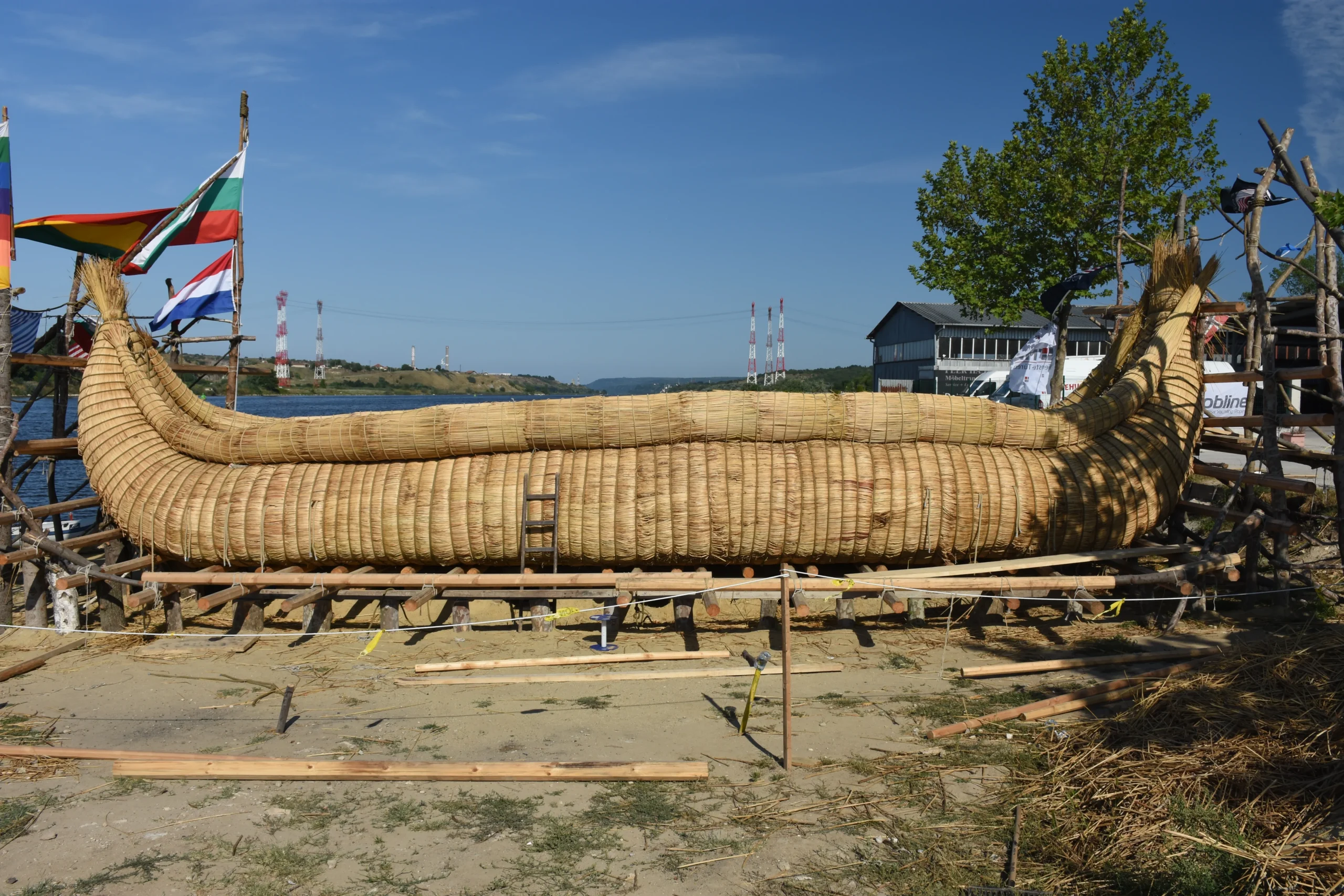
The original plan was to build ABORA IV in the Russian port city of Sochi. However, due to significant customs issues, this plan had to be abandoned. The construction site was then moved to the Bulgarian Black Sea coast.
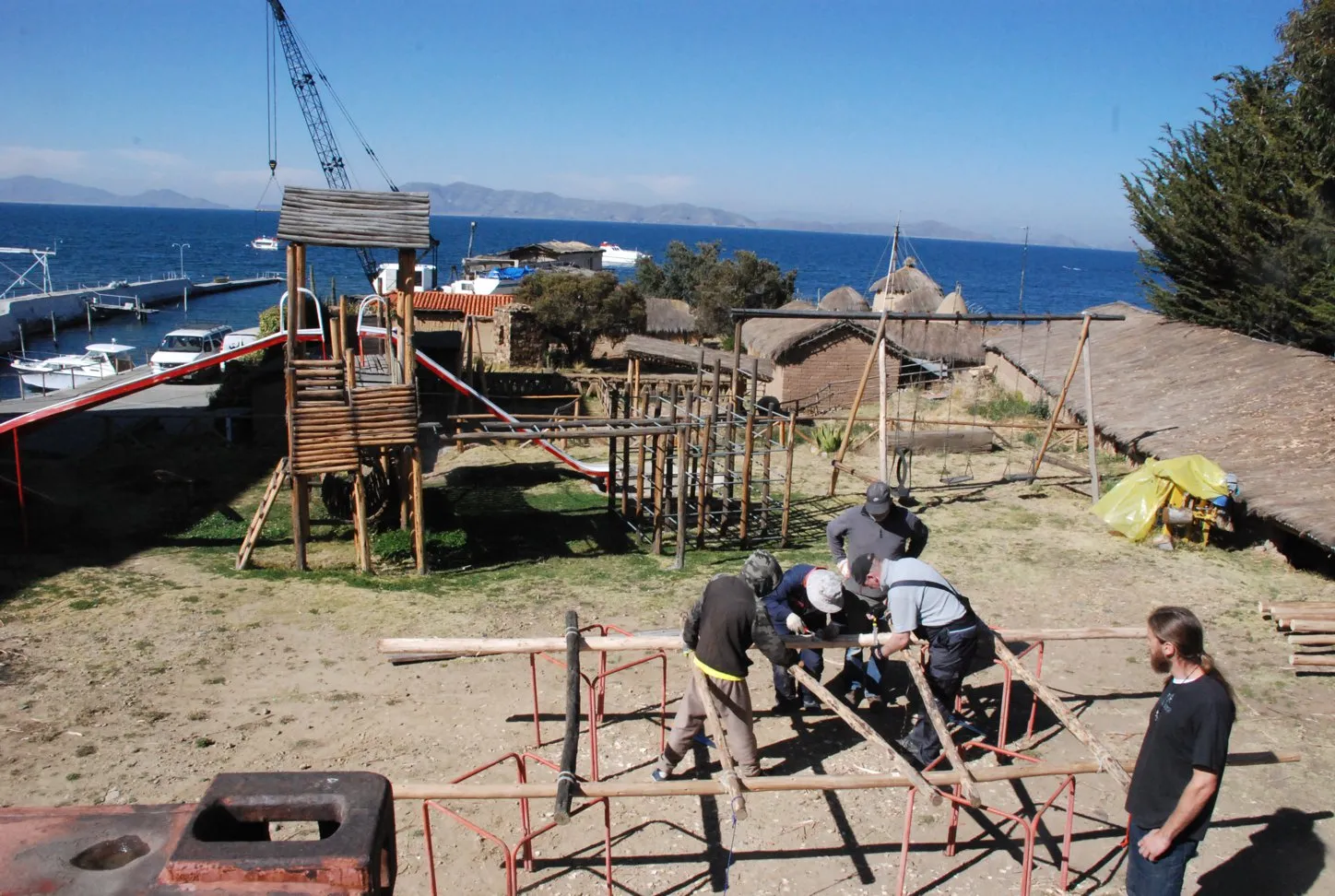
Near the port city of Varna, Dominique Görlitz found the necessary support in the town of Beloslav to manufacture the hull directly at the starting point for the first time since ABORA I. The reed rolls and superstructures had already been prefabricated in 2018 on Lake Titicaca in Bolivia. However, the export of the building materials was severely hampered by Bolivian customs: all the construction and superstructure timber was confiscated.
As a result, the necessary wooden elements had to be procured or rebuilt at great expense in terms of time and money. These unforeseen difficulties led to a delay of around two months in the start of the expedition.
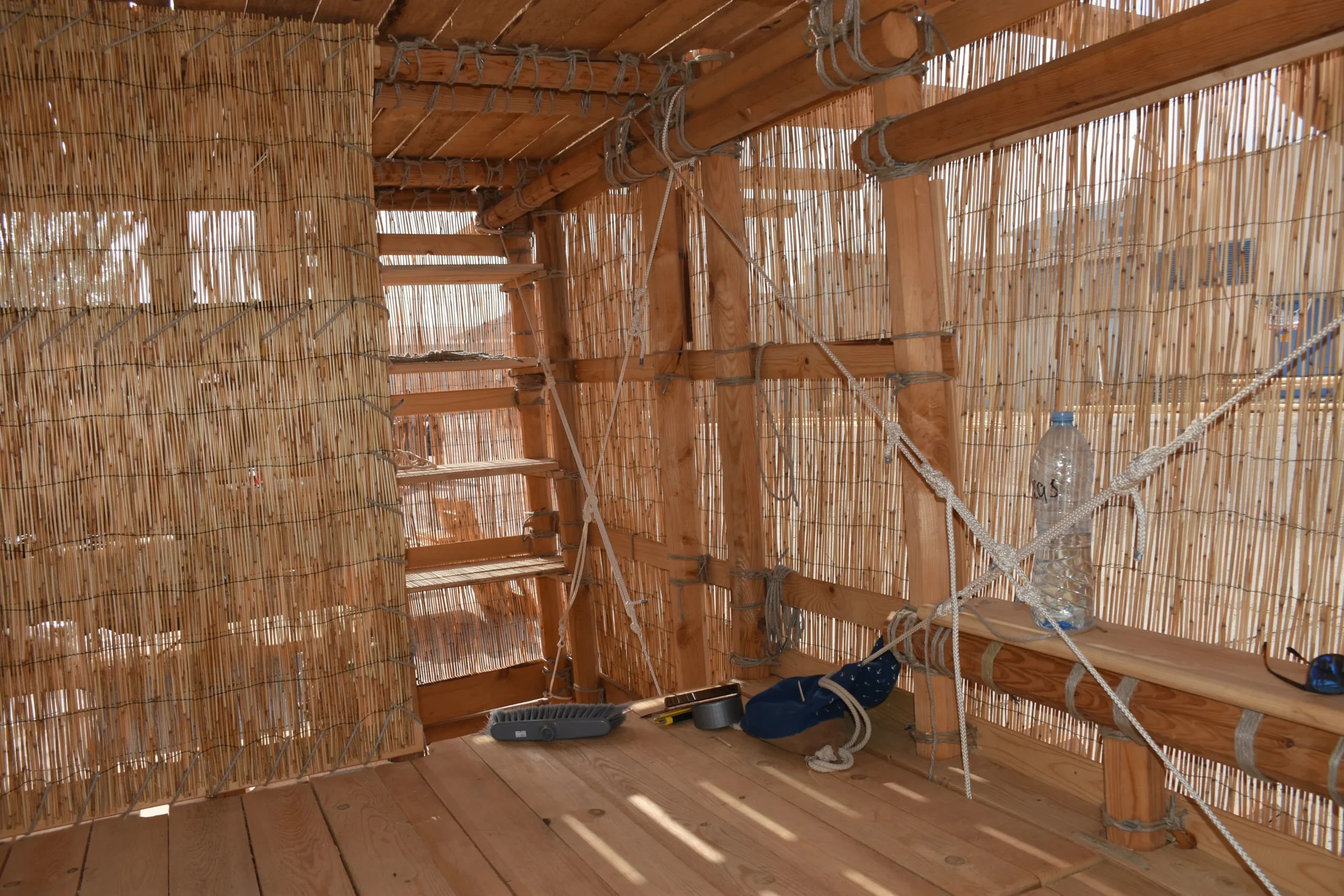
The hull of ABORA IV was built with a length of 14 meters for the first time in order to increase hull speed. In addition, the two basket huts were significantly enlarged in order to test their suitability for bad weather under real conditions for a possible later Atlantic mission.
The sea voyage
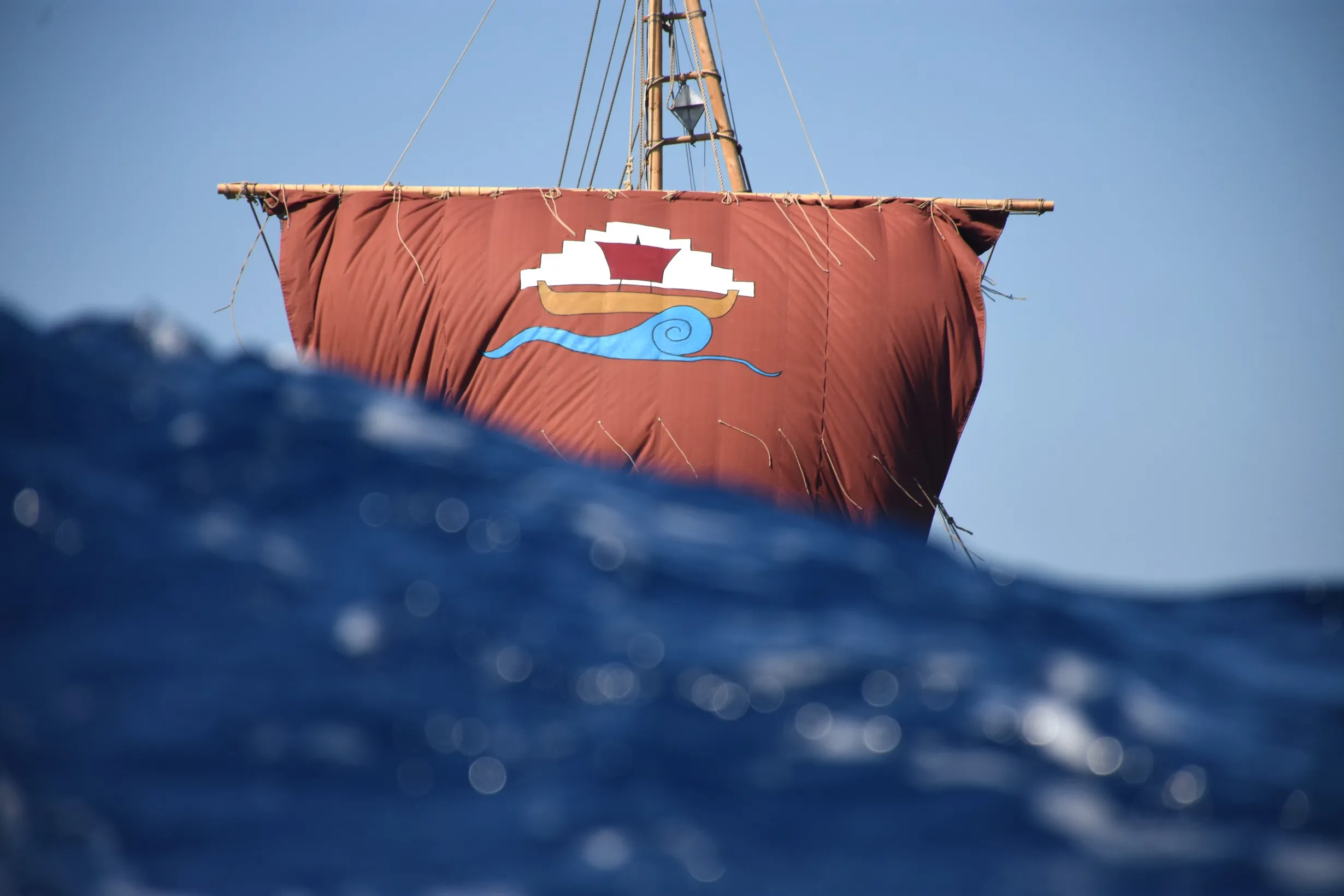
Due to the considerable delays, it was not possible to carry out sufficient test runs before the start. Already on the first leg, it became apparent on the open sea that the mast was positioned too far amidships due to several design changes. This led to significantly reduced sailing performance: ABORA IV was only able to sail courses of approximately 135° to the true wind.
For safety reasons, the expedition also agreed with the Turkish authorities that it would only pass through the Bosphorus under tow.
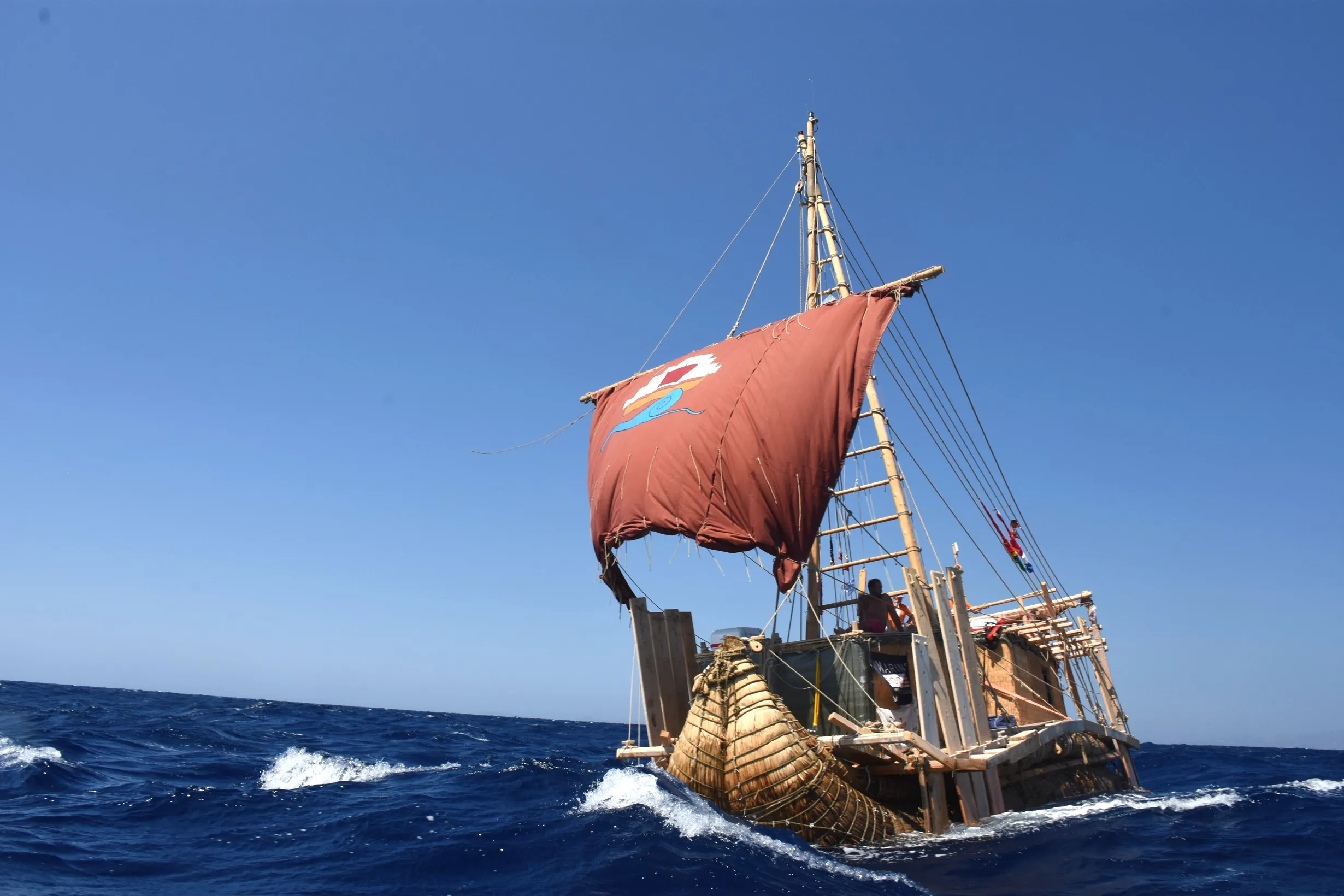
This was followed by a challenging, windy crossing through the Cyclades archipelago. ABORA IV covered the distance from Limnos to Santorini – almost 500 kilometers – in just 3.5 days.
On Santorini, the expedition leader accepted an invitation from the Turkish Ministry of Culture to sail the ABORA IV north again and then south to the Lycian coast near Kaş. A permanent exhibition was planned there at the nearby UNESCO World Heritage Site of Patara.
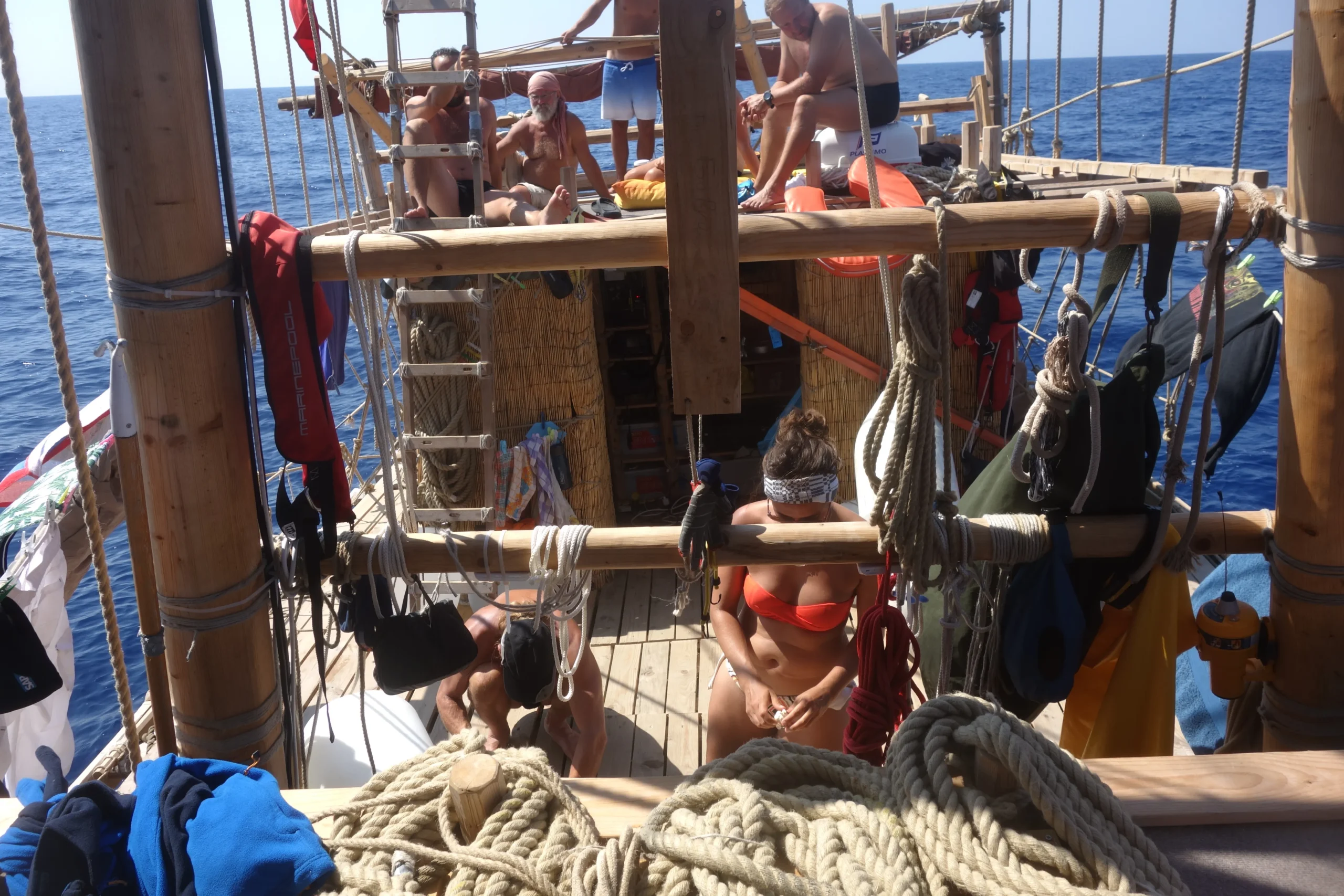
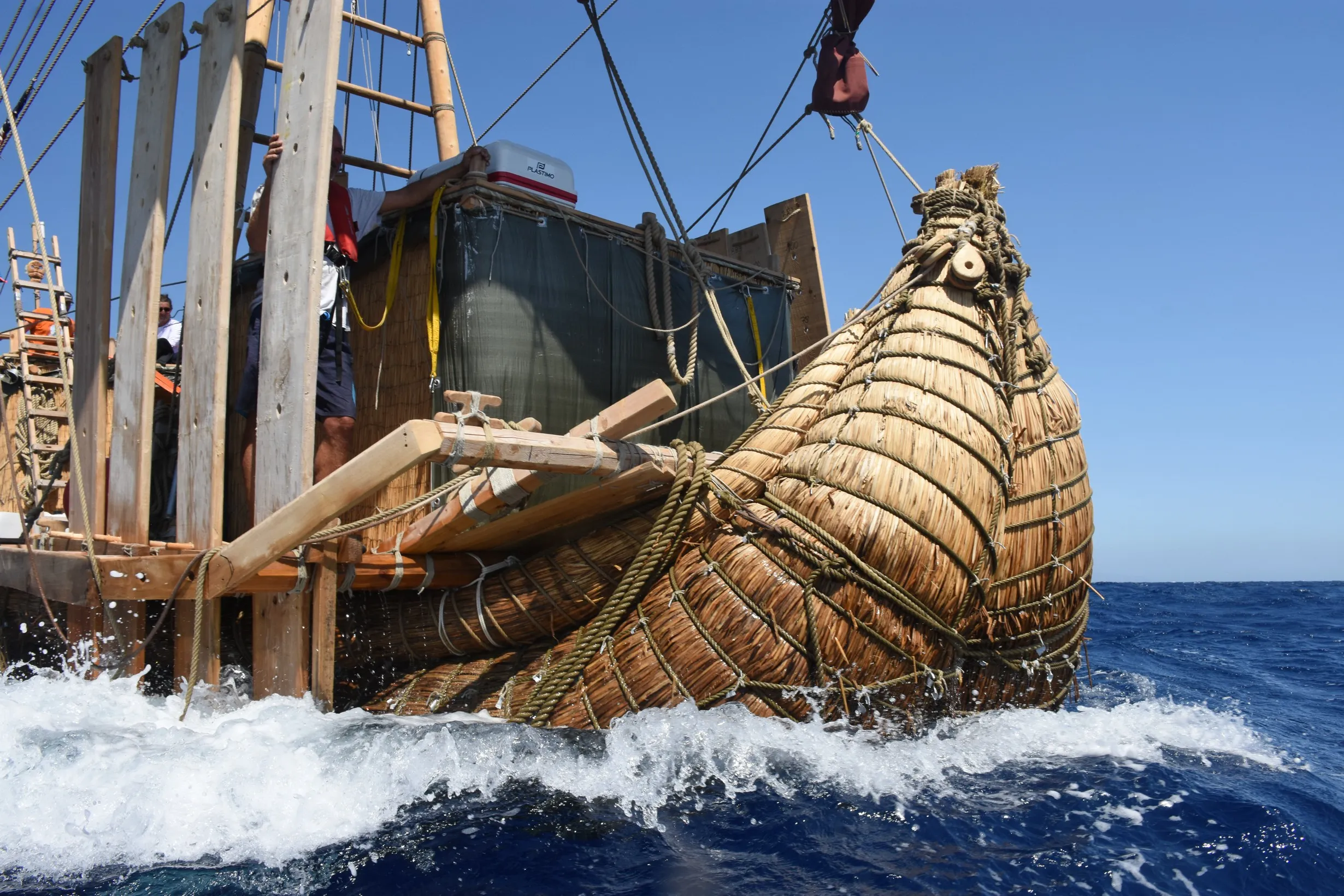
In Istanbul, the authorities granted the crew four days' layover at a yacht club to carry out necessary modifications. The mast was moved further forward and the oversized sail area was reduced.
The subsequent restart marked a turning point in the expedition. Now the crew had full access to the bow swords again, and ABORA IV was able to reach the Sea of Marmara, the Dardanelles, and finally Çanakkale under its own power. From there, the reed boat crossed over to the island of Limnos—a place of historical significance for the bronze and gold trade in ancient times.
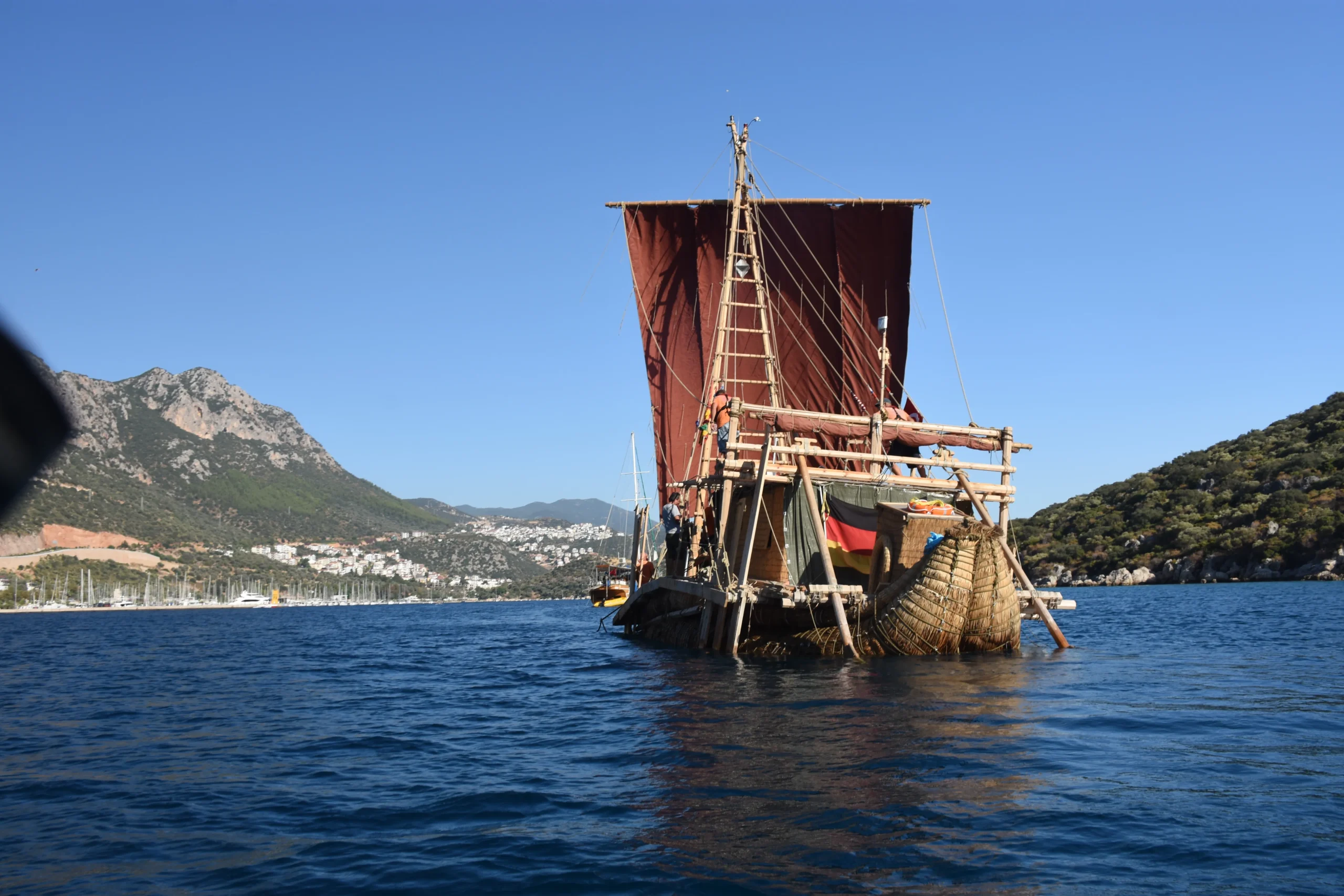
This final stage proved particularly difficult, as strong winds and exceptionally strong currents had to be overcome on half-wind courses. After complex maneuvers, ABORA IV finally reached the Turkish coast safely on September 16, 2019.
Archaeological significance
The archaeological significance of ABORA IV stems from the two central themes of the mission:
On the one hand, the expedition provided practical proof of feasibility that the trade routes between Egypt, the Black Sea region, and the eastern Mediterranean described by Herodotus were feasible by sea. This provides new empirical support for the theory that iron during the Pharaonic period was not necessarily smelted locally, but could have been obtained through extensive trade networks.
On the other hand, ABORA IV addressed the question of the spread of bronze technology from the Balkan region to Central Europe, particularly in connection with the Aunjetitz culture in the Ore Mountains. The expedition made it clear that maritime transport routes may have played a previously underestimated role in the early dissemination of metallurgical knowledge.
ABORA IV thus combines for the first time the search for the iron of the pharaohs with a broader view of early historical transfers of raw materials and technology throughout Europe and the Near East.
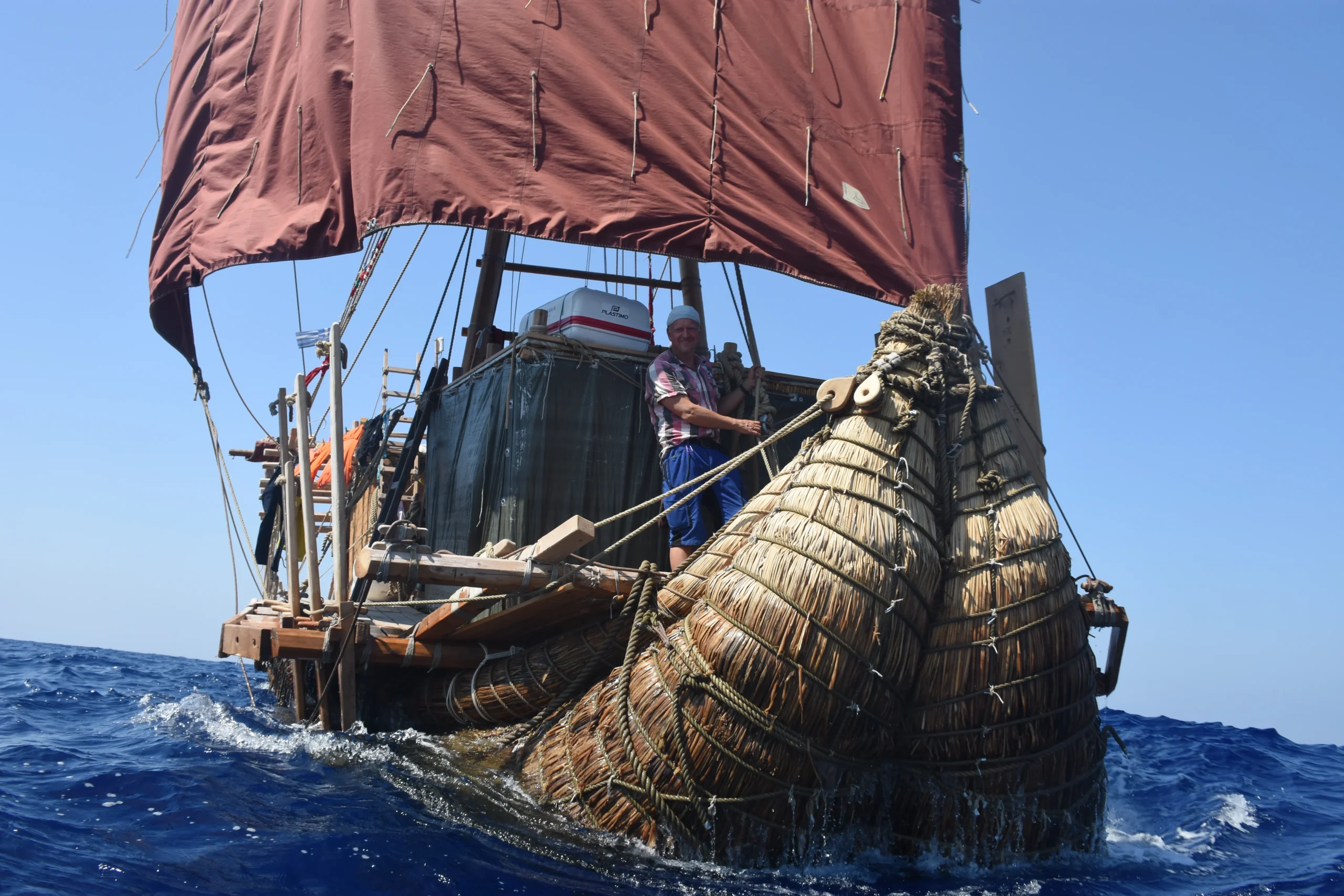
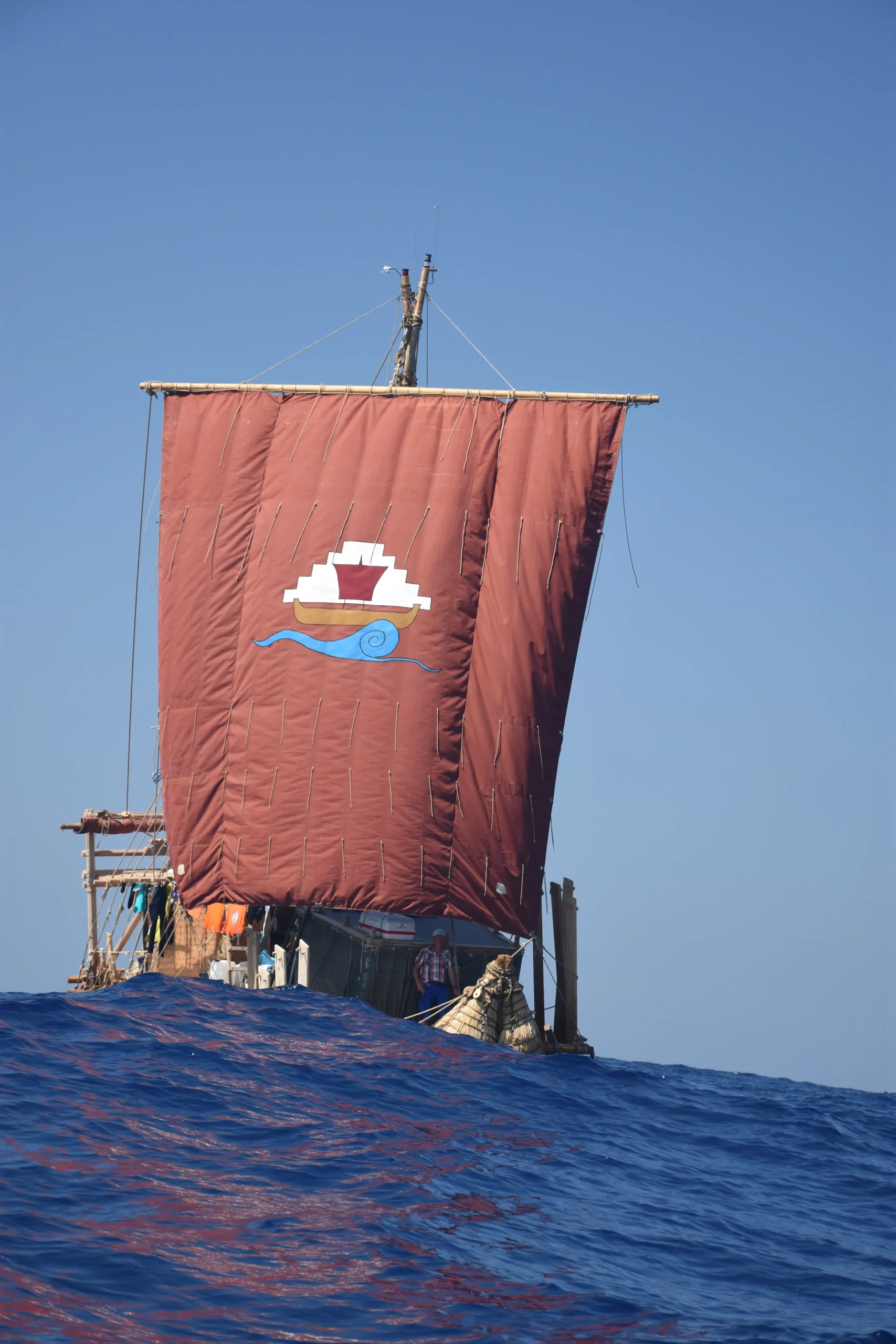
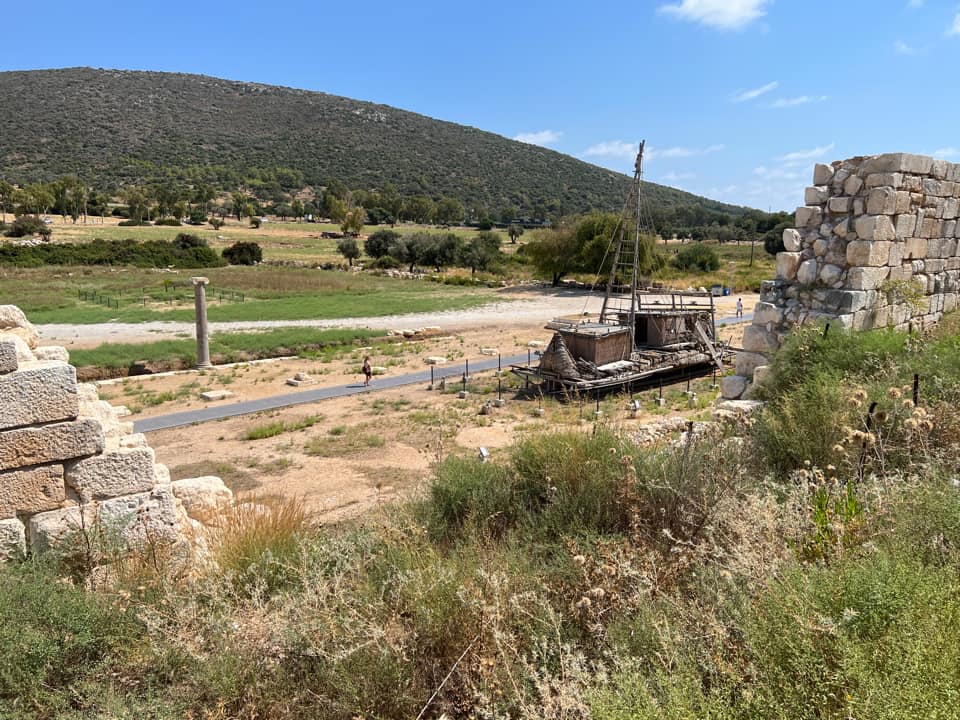
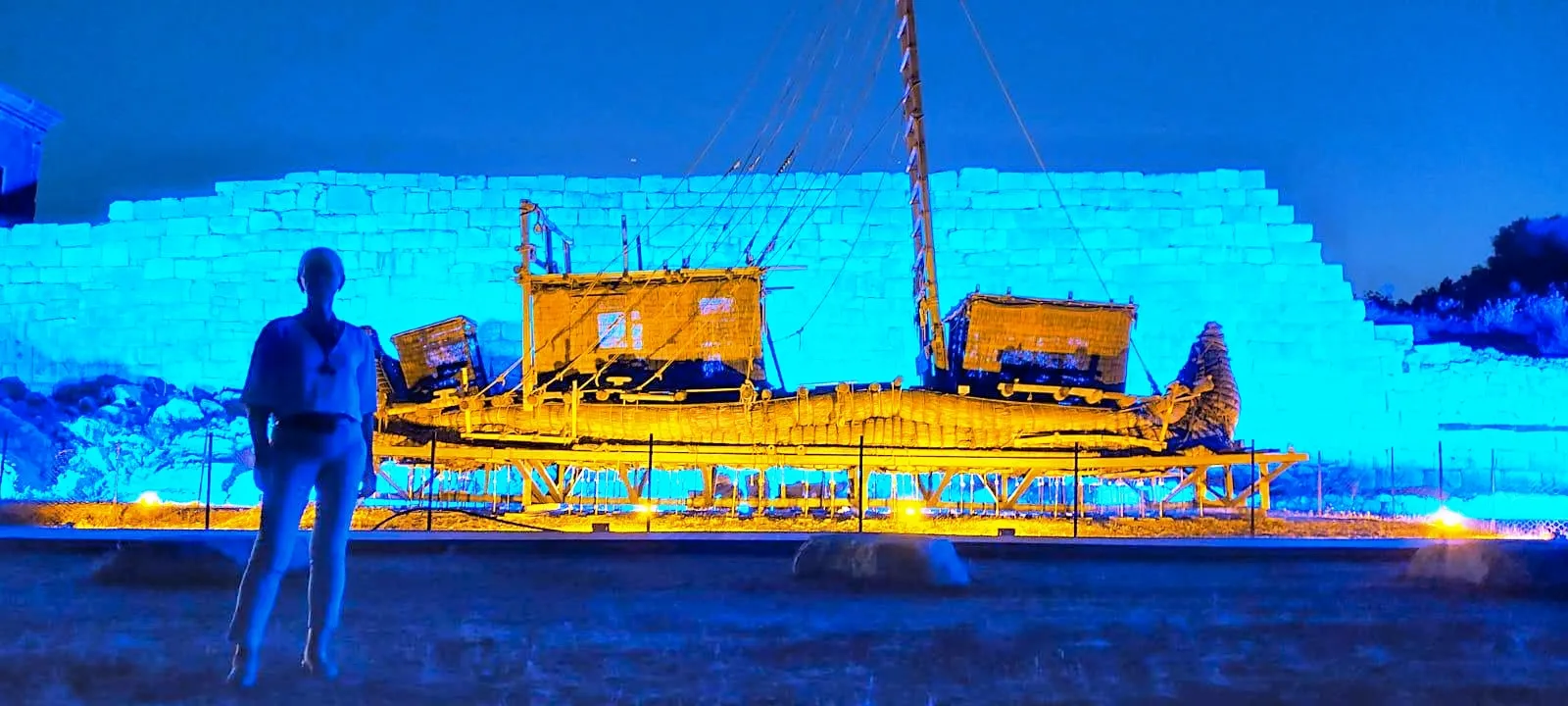
Permanent exhibition in Patara
With the arrival of ABORA IV on the Lycian coast, the expedition came to a fitting conclusion. In cooperation with the Turkish authorities, the reed boat became part of a permanent exhibition at the UNESCO World Heritage Site of Patara. The exhibition not only documents the voyage itself, but also places ABORA IV in a broader historical context of early maritime trade and cultural contacts in the eastern Mediterranean. Patara – once one of Lycia's most important ports – thus offers an authentic location where experimental archaeology, ancient maritime history, and current research findings are permanently accessible to an international audience.