
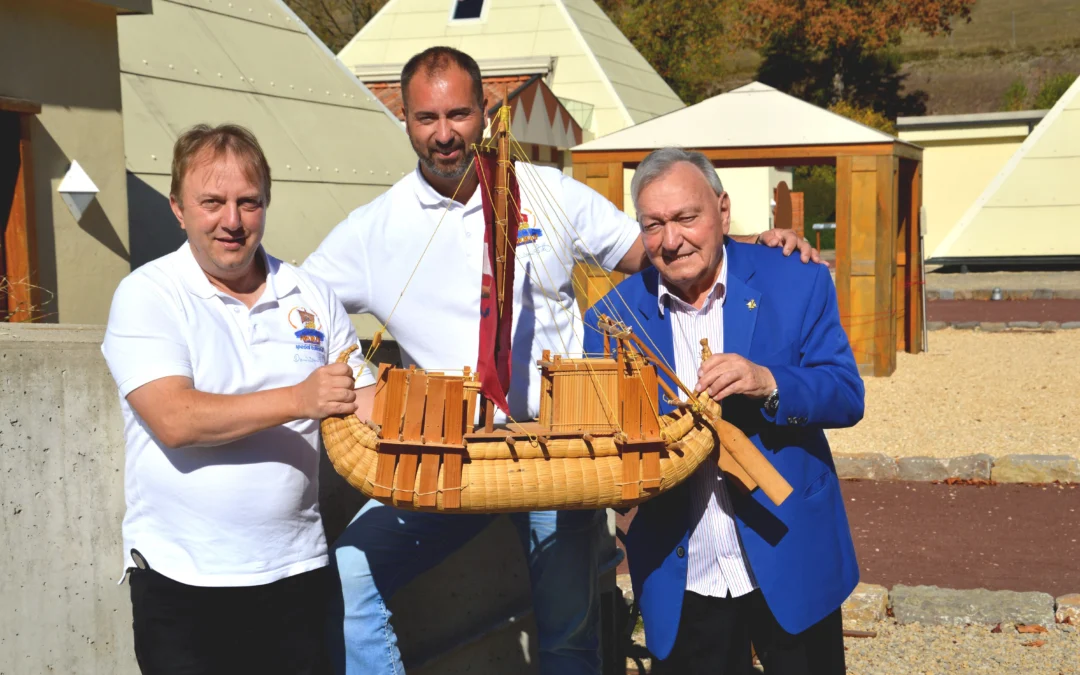
Abschied von Erich von Däniken Mit dem Tod von Erich von Däniken (EvD) verliere ich nicht nur einen Weggefährten, sondern einen Freund, mit dem mich eine mehr als 35-jährige persönliche und geistige Verbundenheit teilte. Für mich war EvD – neben Thor Heyerdahl und Jacques Cousteau – einer der großen Wissenschaftshelden meiner Jugend. Sein Buch „Erinnerungen an die Zukunft“ weckte früh mein Interesse an alten Kulturen und ihren ungelösten Rätseln. Aufgewachsen in der DDR eröffnete mir seine Arbeit einen Blick über die damals kaum erreichbaren Horizonte hinaus: nach Ägypten, ins Reich der Inka oder zu den Geheimnissen von Nan Madol im Pazifik. Seine Bücher waren für mich Fenster in eine größere Welt. Während ich nur wenige Jahre später mit meinem zweiten großen Idol, Thor Heyerdahl, in persönlichen Kontakt kam, lernte ich Erich bereits 1992 auf einem Vortrag in Thüringen kennen. Unsere erste Begegnung in Weimar ist mir bis heute lebhaft in Erinnerung geblieben: Vor einem mit über 500 Menschen gefüllten Hörsaal lieferten wir uns eine leidenschaftliche, mitunter lautstarke Debatte über die Ursprünge unserer Zivilisation. Über extraterrestrische Einflüsse bei den alten Ägyptern oder Sumerern wurden wir uns nie einig. Und doch verband uns von Beginn an gegenseitiger Respekt und die Anerkennung der jeweils geleisteten Forschungsarbeit – eine Haltung, die uns bis in seine letzten Jahre begleitete. In diesem Geist luden wir uns regelmäßig gegenseitig als Redner zu ABORA- und A.A.S.-Kongressen ein. Uns einte das gemeinsame Bemühen, die Rätsel des Altertums erkenntnisoffen, interdisziplinär und jenseits ideologischer Scheuklappen zu beleuchten. Ich zolle Erich von Däniken meinen tiefsten Respekt vor seinem Lebenswerk. Er hat sich immer wieder neu erfunden, Kritik aufgegriffen und versucht, sie in größere Zusammenhänge einzuordnen. Wissenschaftler, die ihn für seine Grundannahmen kritisierten oder gar diffamierten, sollten sich an seinem lebenslangen Engagement, seinem Mut und seinem Entdeckergeist ein Beispiel nehmen. Ich kenne kaum jemanden, der sich so intensiv, so beharrlich und so interdisziplinär für seine Thesen eingesetzt hat. Ja – Erich ist, wie auch Thor Heyerdahl und viele andere große Denker, gelegentlich über das Ziel hinausgeschossen. Doch das schmälert sein Werk nicht. Im Gegenteil: Es gehört zum Wesen von Pionieren, Grenzen zu überschreiten.
Mit EvD verlieren wir einen der letzten großen Grenzgänger des 20. Jahrhunderts. Er wird in seinen Büchern, Filmen und nicht zuletzt in den Erinnerungen seiner Freunde weiterleben. Ich bin überzeugt, dass der Tag kommen wird, an dem sich seine Vision eines ersten Kontakts mit außerirdischer Intelligenz erfüllen könnte. Wir sind im Universum nicht allein. Unser lieber Erich ist nun – sinnbildlich – zu den Göttern aufgestiegen. Möge er in unseren Gedanken und in unserer eigenen Forschung lebendig bleiben.
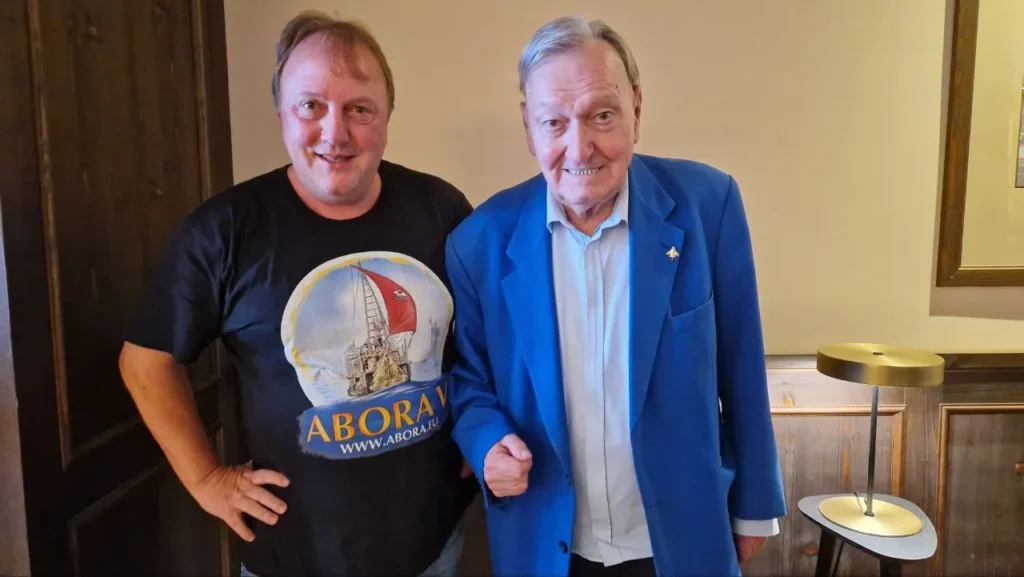
Erich and I shared a friendship of more than 30 years in the spirit of transdisciplinarity and the search for our cultural origins.
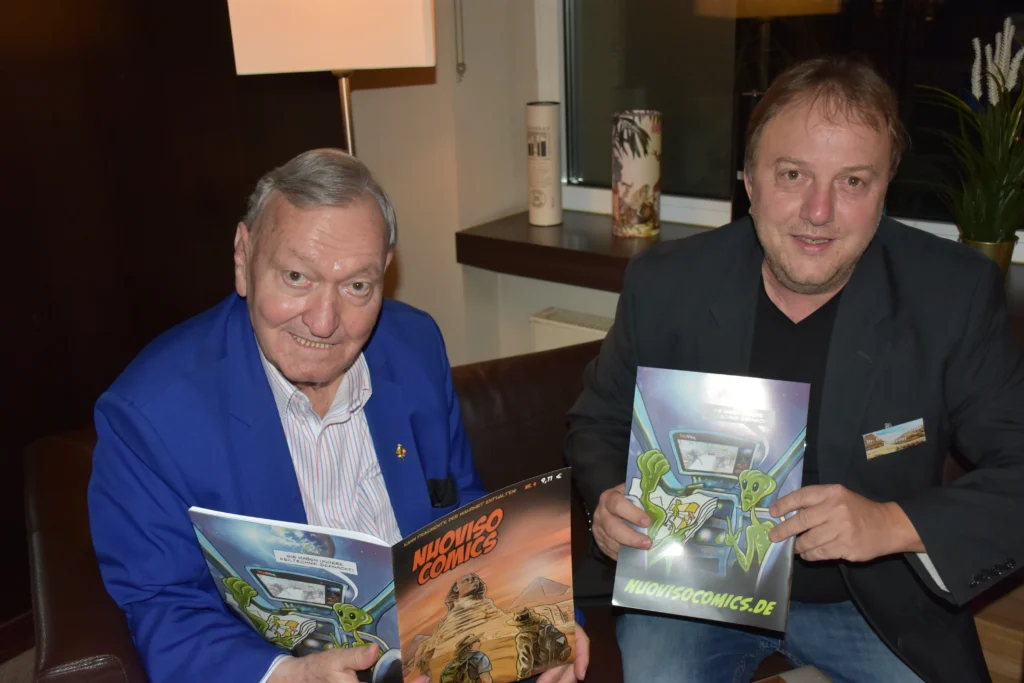
In this way, we overcame many a "mental barrier" together and were always open to shared jokes and playful banter. This was also true in my Cheops project, which dealt with the earthly use of wrought iron in the construction of the pyramids. Together, we waged many a battle of the gods on Earth, often to the amusement of our guests and fellow researchers.
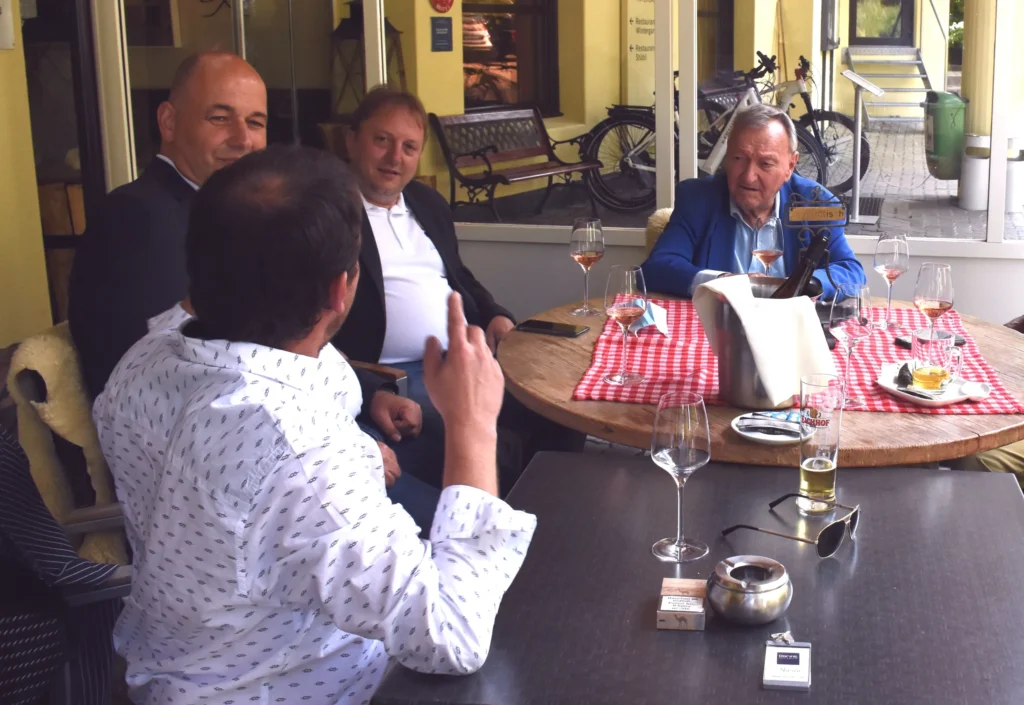
In his hometown of Beatenberg, near Interlaken in Switzerland, we met regularly for work meetings to discuss joint projects or conference appearances. This picture is from 2023.
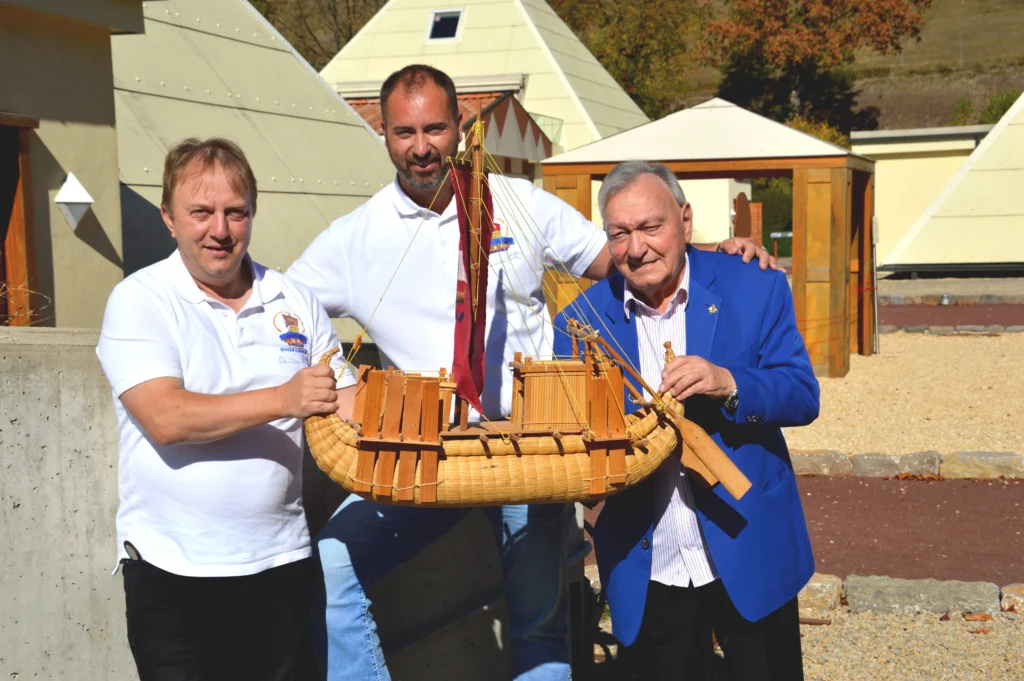
I was deeply impressed by Erich's openness, as he changed considerably in his later years. He increasingly attributed greater importance to the role of early seafaring and maritime cultural exchange. In interviews and joint presentations, he emphasized that even prehistoric seafarers made a significant contribution to the spread of cultural achievements.
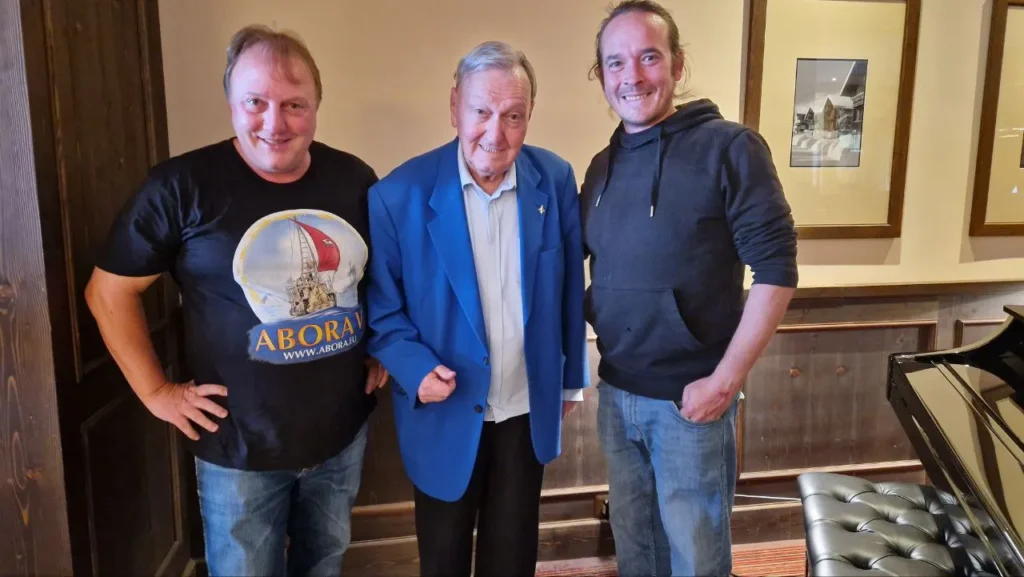
His successor and new managing director of A.A.S. – Ramon Zürcher – will now continue his work. For this reason, Erich has for years released Ramon from his regular duties to work on ABORA projects and supported him in preparing of new research with me. For this, too, I express my respect and deep gratitude to EvD.