
back
Chapter 3
The search for alkaloids in Canarian mummies
Another central line of investigation within the Canary Islands Pyramid Project is devoted to the bioarchaeological analysis of Canarian mummies. The focus is on the question of whether plant alkaloids can be detected in the human remains of the pre-Hispanic population of the Canary Islands, which could provide insights into diet, medical practices, or possible long-distance contacts.
The mummification practices of the Guanches are among the most remarkable cultural achievements of the pre-colonial Atlantic region. In terms of technique, care, and durability, they show striking parallels to Old World mummification traditions. Despite intensive ethnological and archaeological research, many aspects of this practice remain unclear to this day—in particular, the question of the substances used, embalming methods, and possible ritual contexts.
Against this backdrop, the project builds on earlier, controversially discussed findings in which traces of nicotine and cocaine were detected in Egyptian mummies. At the time, these results were rejected on methodological and taphonomic grounds, primarily with reference to possible contamination. Nevertheless, the fundamental question remained as to whether biochemical markers in mummies could serve as indicators of plant use or trade contacts. Thanks to the support of the two Canarian archaeologists Prof. Carmen del Arco and Mercedes del Arco, Dominique received special permission to sample selected mummies at the Museum of Nature and History in Santa Cruz de Tenerife.
As part of this project, minimally invasive samples from seven Canarian mummies were examined in June 2025. The aim is to identify alkaloids such as nicotine, solanine, or other nitrogenous plant substances that either originate from locally available plants or could indicate the use of non-endemic species. The analyses are carried out under strict laboratory conditions in A Coruña, with multiple checks and using modern reference data.
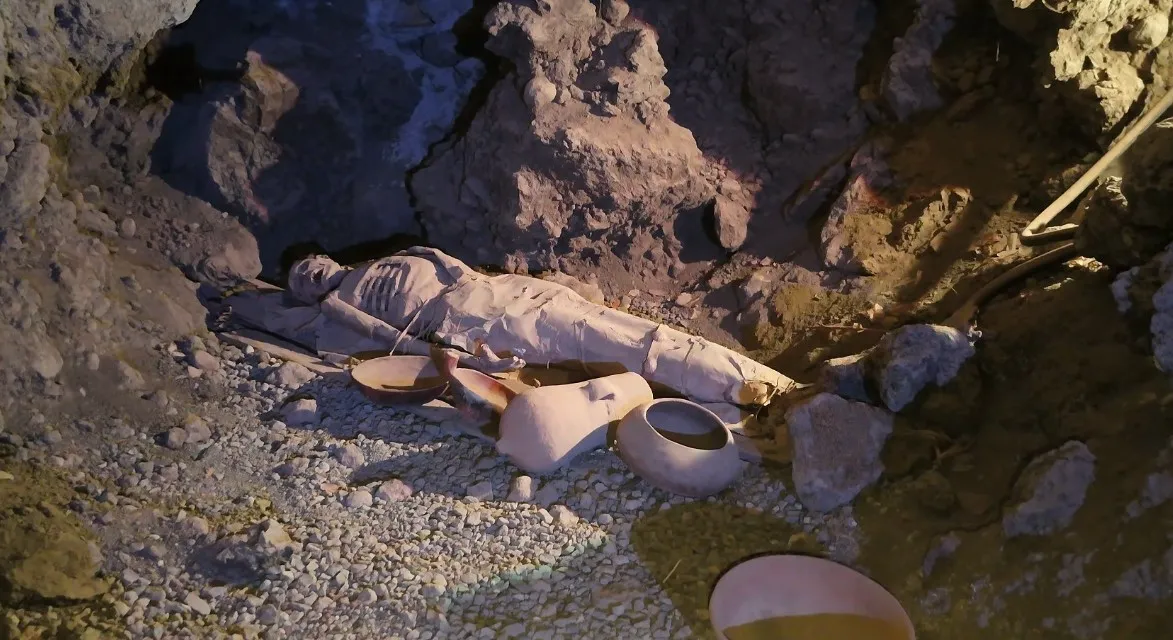
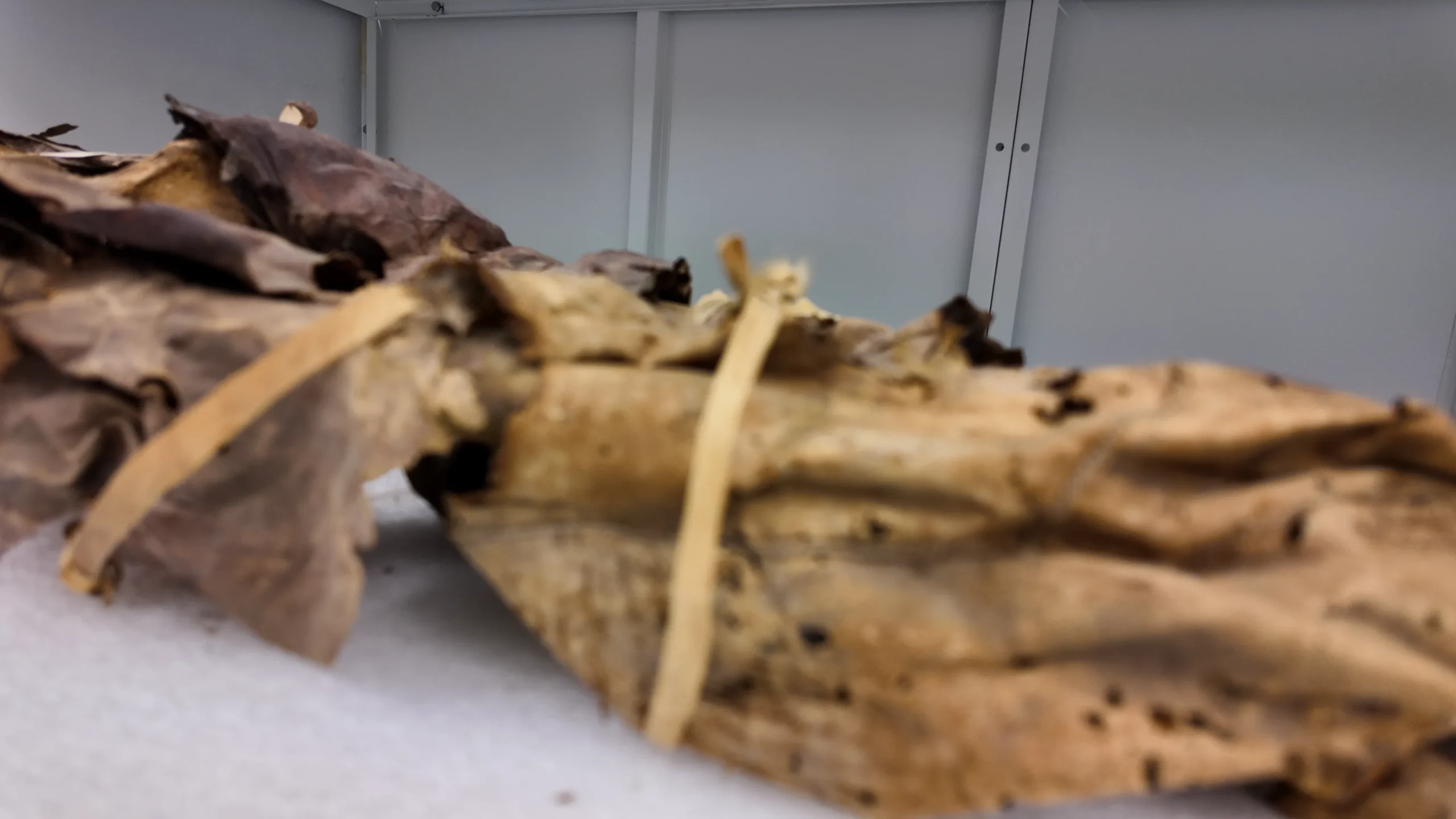
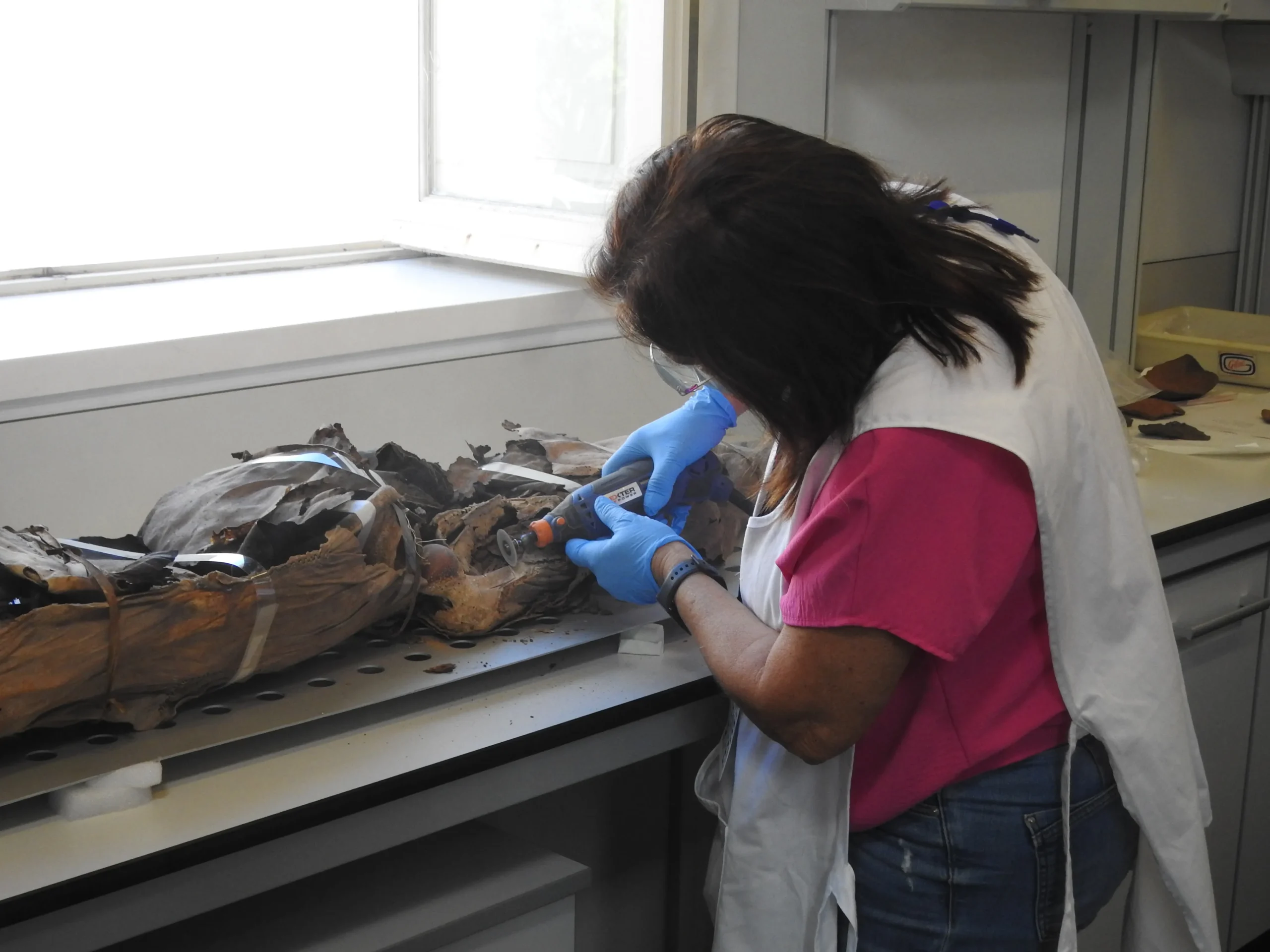
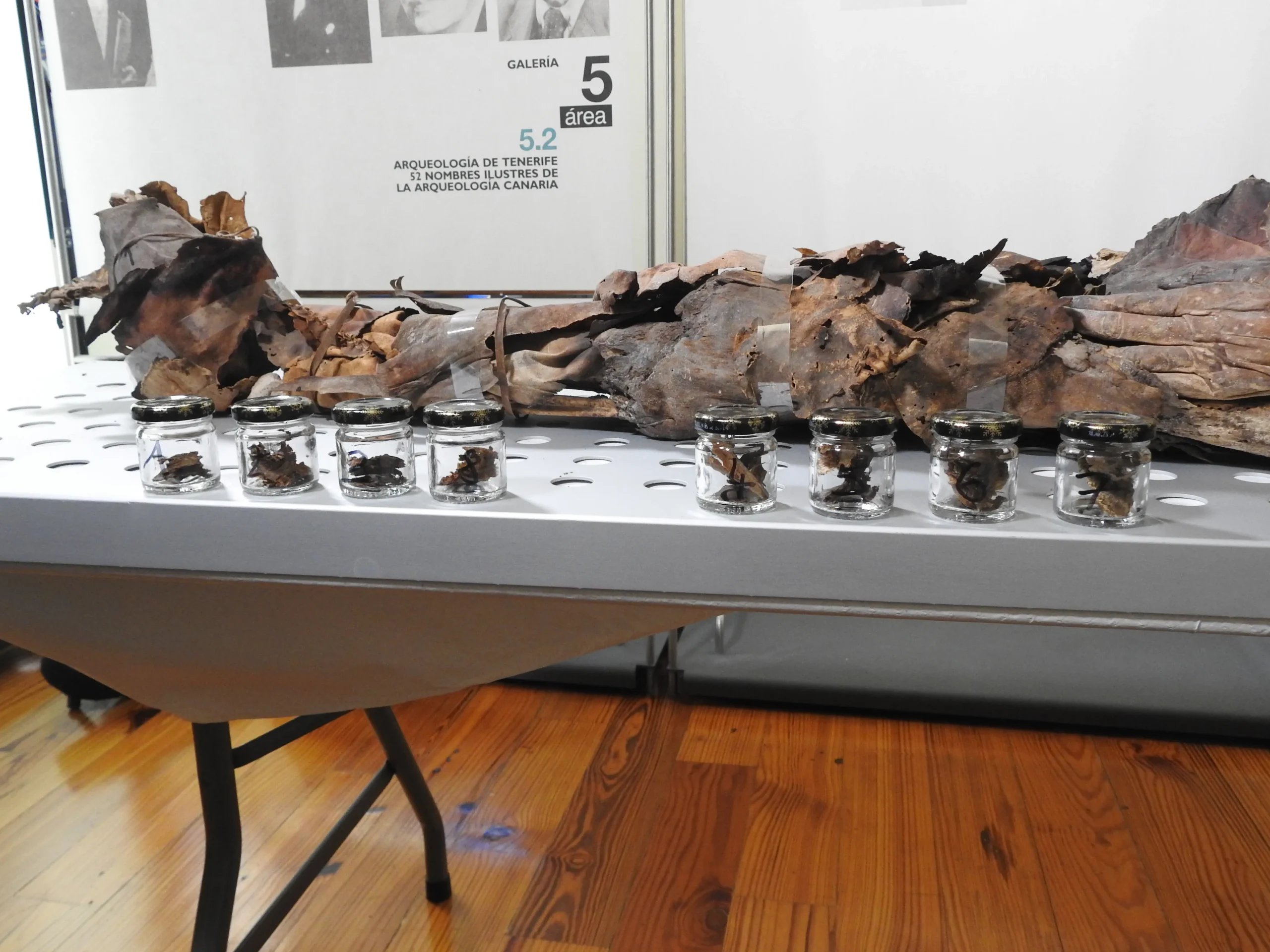
Contextual classification is particularly important in this regard. Positive evidence alone would not be sufficient proof of transoceanic contacts. Only in conjunction with archaeological, botanical, and cultural findings—such as the availability of relevant plants, mummification techniques, or parallel dating—can reliable conclusions be drawn.
However, if reproducible traces of alkaloids can be detected that cannot be explained by the known flora of the Canary Islands, this would have far-reaching consequences. It would reopen the debate about the isolation of the Guanches and at least make the possibility of cultural or economic connections across the Atlantic region conceivable.
The investigation of alkaloids in Canarian mummies is therefore not intended as evidence in support of preconceived theories, but rather as an open-ended search for biochemical signatures that will provide a better understanding of the cultural and medical knowledge of the early islanders. In combination with scientific dating and architectural analyses of the pyramid complexes, this subproject contributes significantly to painting a more differentiated and empirically sound picture of the pre-Hispanic Canary Islands.
Initial results and their classification
The investigations conducted to date have already yielded concrete and surprising interim results that allow for a much more precise discussion than was previously possible.
1. Determining the age of mummies
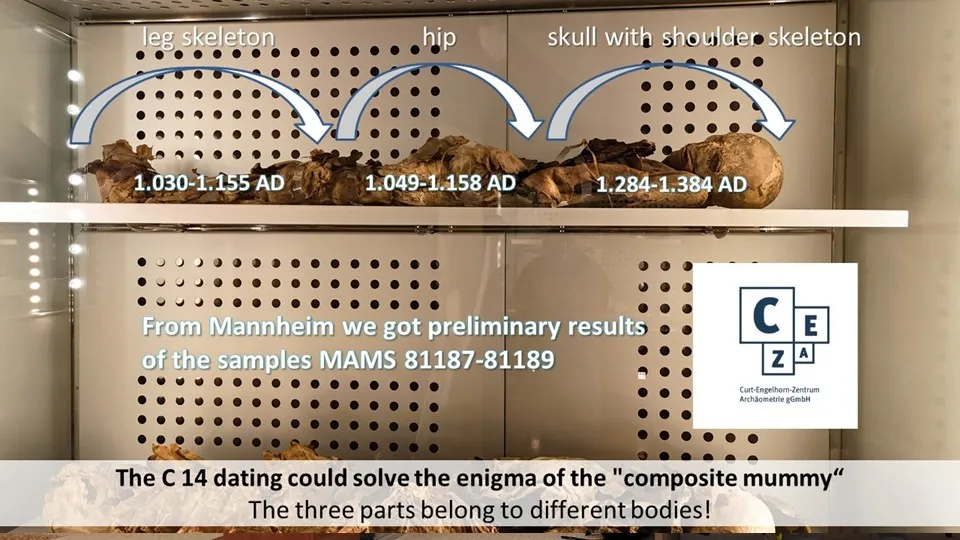
Three mummy samples were independently examined in Germany and Greece using C14 dating. The results consistently point to a time frame between approximately AD 1000 and 1250. These dates clearly demonstrate that the mummies are of pre-Hispanic origin and rule out a modern-period provenance.
The exceptionally good state of preservation of individual specimens is particularly revealing. The so-called “composite mummy” in particular shows remarkable preservation of soft tissue in the head area, including lips, eyelids, and ear structures. This finding contradicts the theory of exclusively natural mummification through dryness and points to deliberate preservation measures.
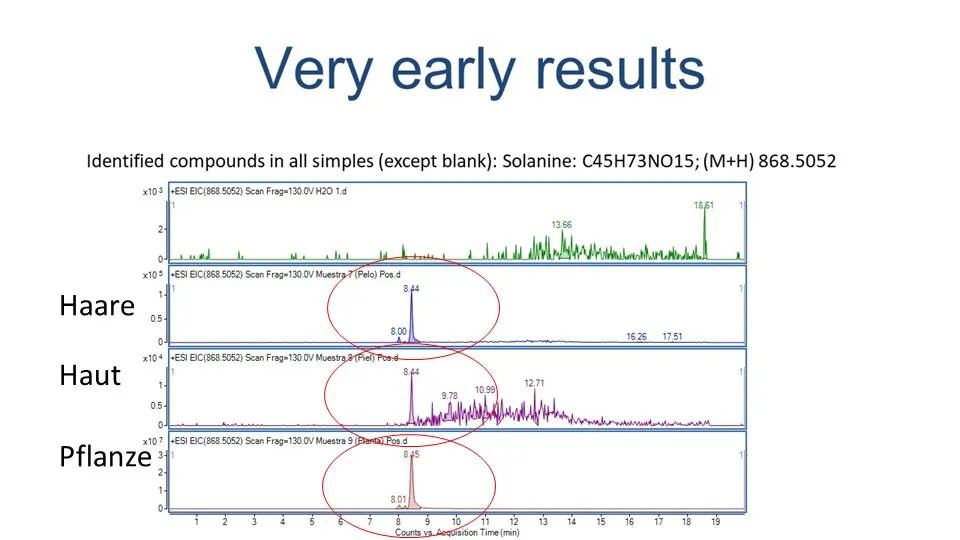
This graph shows an initial test run of liquid chromatography, in which the main alkaloid of the tomato plant (solanine) was detected in higher concentrations. The three diagrams show the measurements taken from the hair and skin of a mummy and from wild tomatoes growing in the Canary Islands (left image).
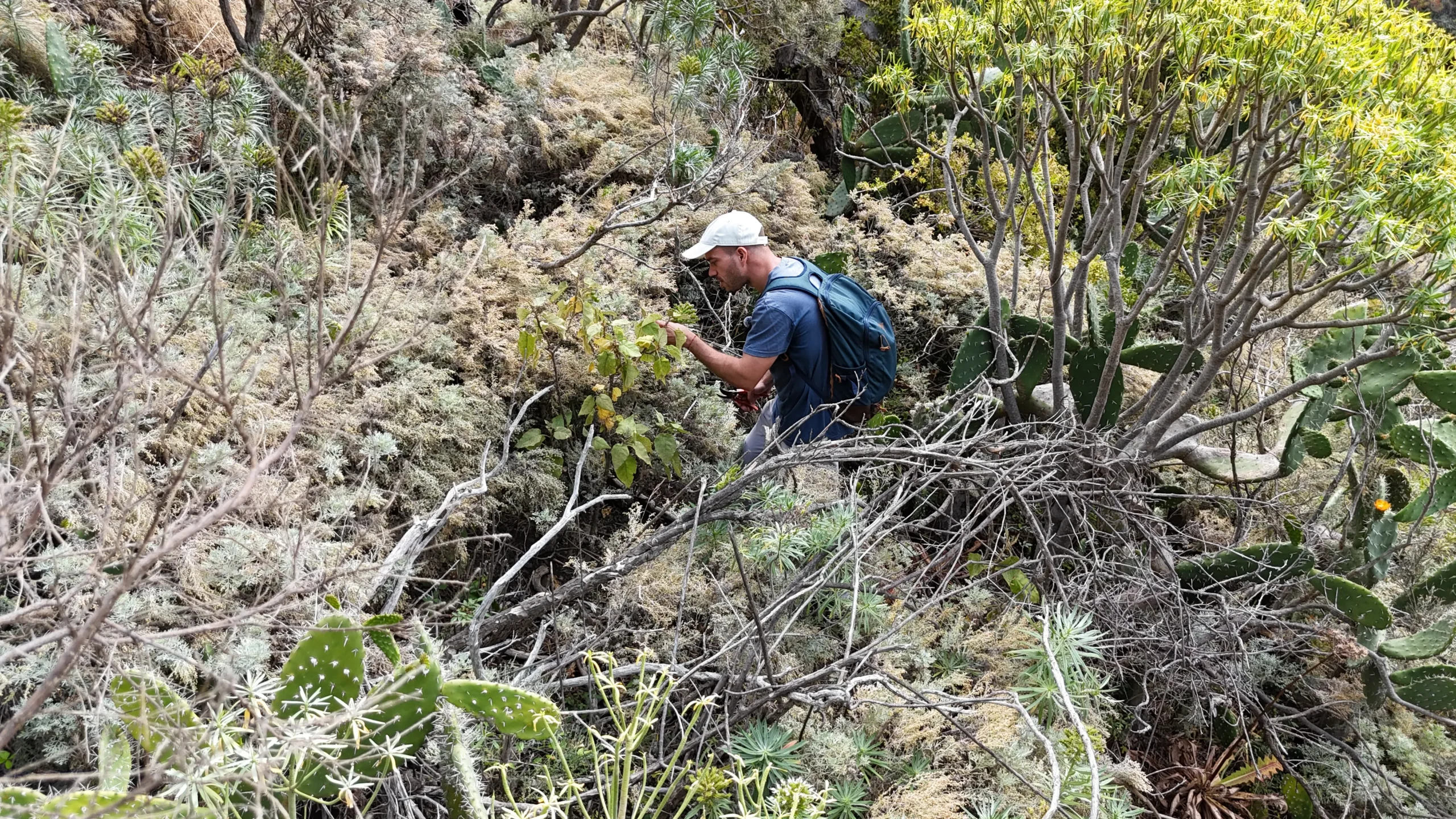
There is an endemic wild tomato species (Solanum vespertillo ssp. vespertillo) in the Canary Islands. It is a relict endemic species of great age. It originally comes from America and made its way across land bridges via Antarctica and Africa to the Atlantic Ocean 50 million years ago.
This image was created in collaboration with botanists from the University of La Laguna. Görlitz was granted special permission to export the plants to Spain for examination.
2. Detection of phytoalkaloids
Initial preliminary investigations using liquid chromatography (LC) on samples from Athens and A Coruña revealed an unexpectedly complex picture. In a single sample—a skull with blond hair—more than 30 different phytoalkaloids were detected. So far, two substances have been clearly identified:
Solanine, an alkaloid from the nightshade family (Solanaceae), known from potatoes and tomatoes, among other things
Quercetin, secondary plant compounds found in grapes and various rose plants, among others
Both substances have a pronounced phytotoxic effect and act as antibacterial, antifungal, and insecticidal agents. Their presence is therefore fundamentally suitable for contributing to the preservation of organic tissue.
Solanine is particularly important in this context. This alkaloid is considered a characteristic component of potatoes and tomatoes—plants that originated in the New World. This inevitably raises the question of possible long-distance contacts or substance transfers.
At the same time, it is known that there are endemic wild tomato species in the Canary Islands (Solanum vespertillo ssp. vespertilloDominique Görlitz received special permission to collect the relevant plants and send them to the University of A Coruña. Analyses carried out there confirmed the presence of solanine in the leaves of these wild varieties. However, from an archaeological and cultural-historical perspective, there are several contradictions that argue against a simple explanation:
- The fruits of the Canary Island wild tomato are reddish in color, which contrasts with the ancient legends of the “golden apples of the Hesperides.” The tomato originally comes from Mexico. The original color of the domesticated tomato is yellow = “golden apples.” This characteristic can be traditionally associated with the Canary Islands.
- The seeds of these wild varieties are very small. In contrast, archaeologist Beatriz Gallego Girona (University of La Laguna, Tenerife) reported findings of numerous large and small tomato seeds from Canarian excavations in the 1990s, which have not yet been clearly classified botanically.
These discrepancies currently prevent any definitive conclusions from being drawn and make it clear that both local usage and external influences must be seriously examined.
Conclusion and outlook
Research into alkaloids in Canarian mummies is still in its infancy. The analyses carried out so far have primarily served to test methods and provide initial reliable evidence, but no conclusive answers as yet. One thing is certain, however:
1. The mummies are clearly pre-Hispanic and show active preservation processes.
2. An unusually high number of phytoalkaloids were detected.
3. At least one identified alkaloid (solanine) raises questions that presumably go beyond a purely local explanation.
The actual systematic evaluation is still pending. Only by increasing the sample size, comparing it with botanical reference data, and combining it with OSL and astroarchaeological results will it be possible to clarify whether these are local practices, secondary entries, or indications of more extensive contacts.
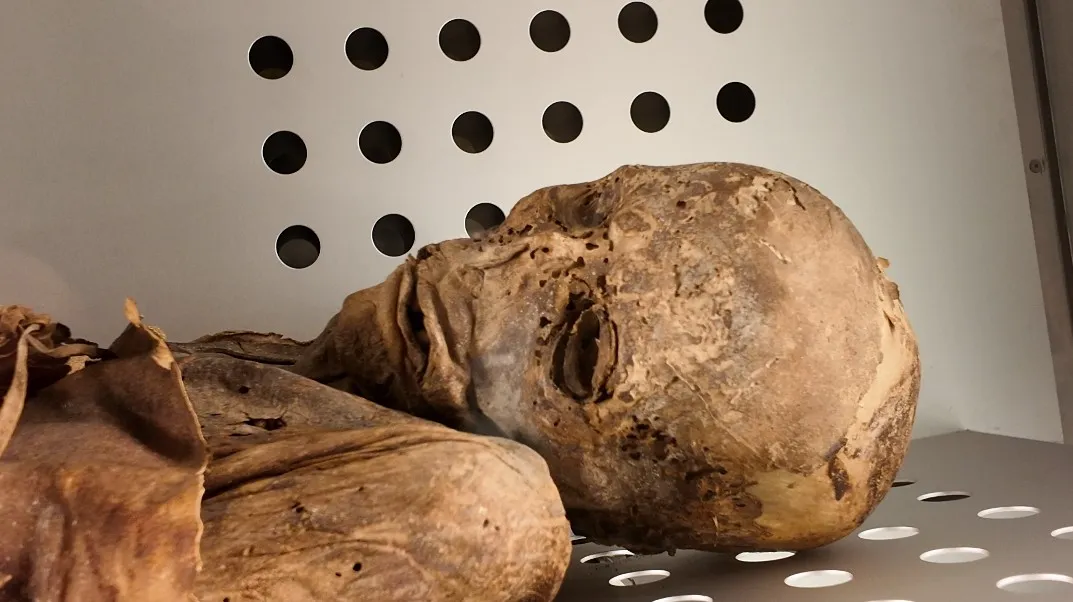
The excellent state of preservation of the soft tissues of the head (lips, eyelids, and ears) supports the theory of the use of phytoalkaloids. This is why our research is so important, because we are able to prove this for the first time in the Canary Islands.