
The tobacco mummies
Cultivated plants, alkaloids, and transatlantic issues
One of Dominique Görlitz's main areas of research is the history of the spread of domesticated crops and their possible role as indicators of early intercontinental contact. A particular focus is on tobacco (Nicotiana tobacum) – a plant whose region of origin clearly lies in the New World, yet which has been found in Old World contexts long before it should have existed according to conventional doctrine.
The starting point for this research is the work of Bulgarian toxicologist Dr. Svetlana Balabanova, who in the 1990s detected alkaloids characteristic of tobacco—especially nicotine—in several Egyptian mummies. These findings were obtained in controlled laboratory analyses and later independently confirmed. Nevertheless, they were met with massive rejection in Egyptology, as they did not fit into the established image of a strictly separate Old and New World.
Since then, the central question has not been whether these alkaloids are present, but how they could have entered the ancient Egyptian mummy material. Contamination, modern contamination, or local substitute plants have been discussed as explanations, but they have not been able to satisfactorily explain many of the findings. This inevitably brought the larger, still unresolved issue into focus: Were there transatlantic contacts even before Columbus that also included the exchange of cultivated plants?
Against this background, Görlitz integrated the tobacco question into a broader research program on anthropochory, that is, the intentional or unintentional dispersal of plants by humans. The tobacco mummies are not considered in isolation, but rather in the context of other amphiatlantically distributed cultivated plants, as well as experimental drift and germination studies used to test alternative dispersal mechanisms.
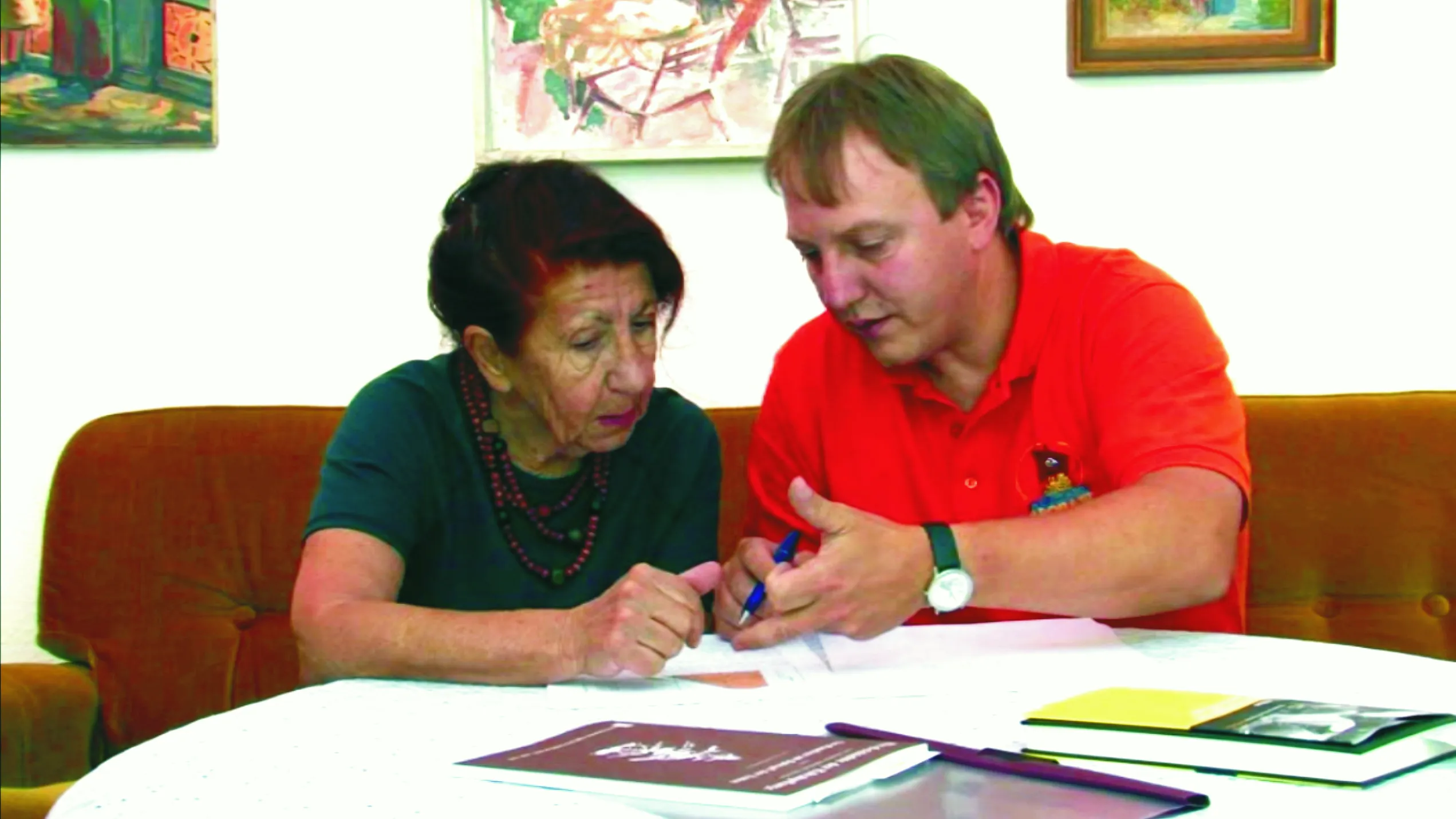
Dr. Swetlana Balabanova and doctoral candidate Dominique Görlitz evaluating the drift studies from the ABORA II & III towing experiments.
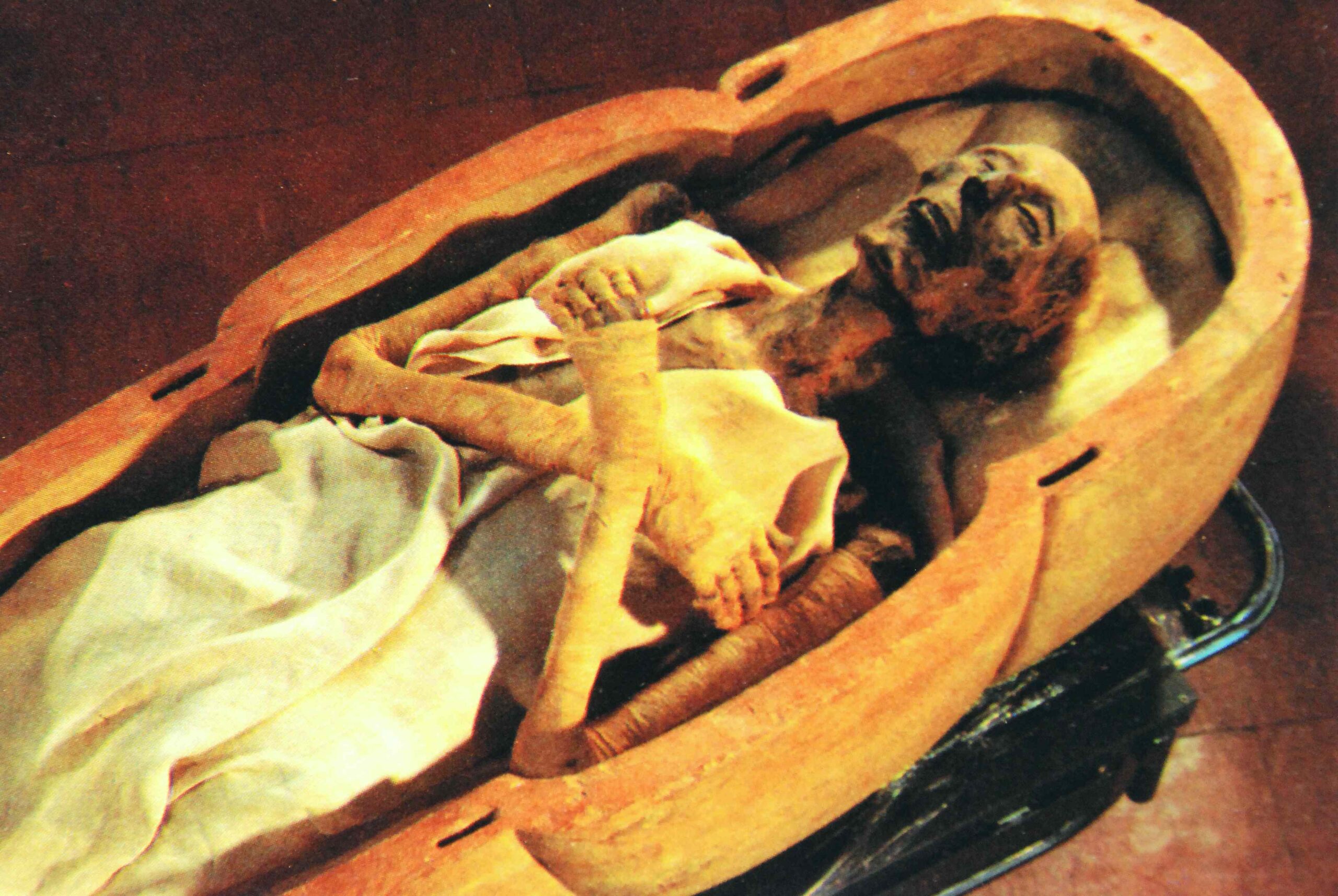
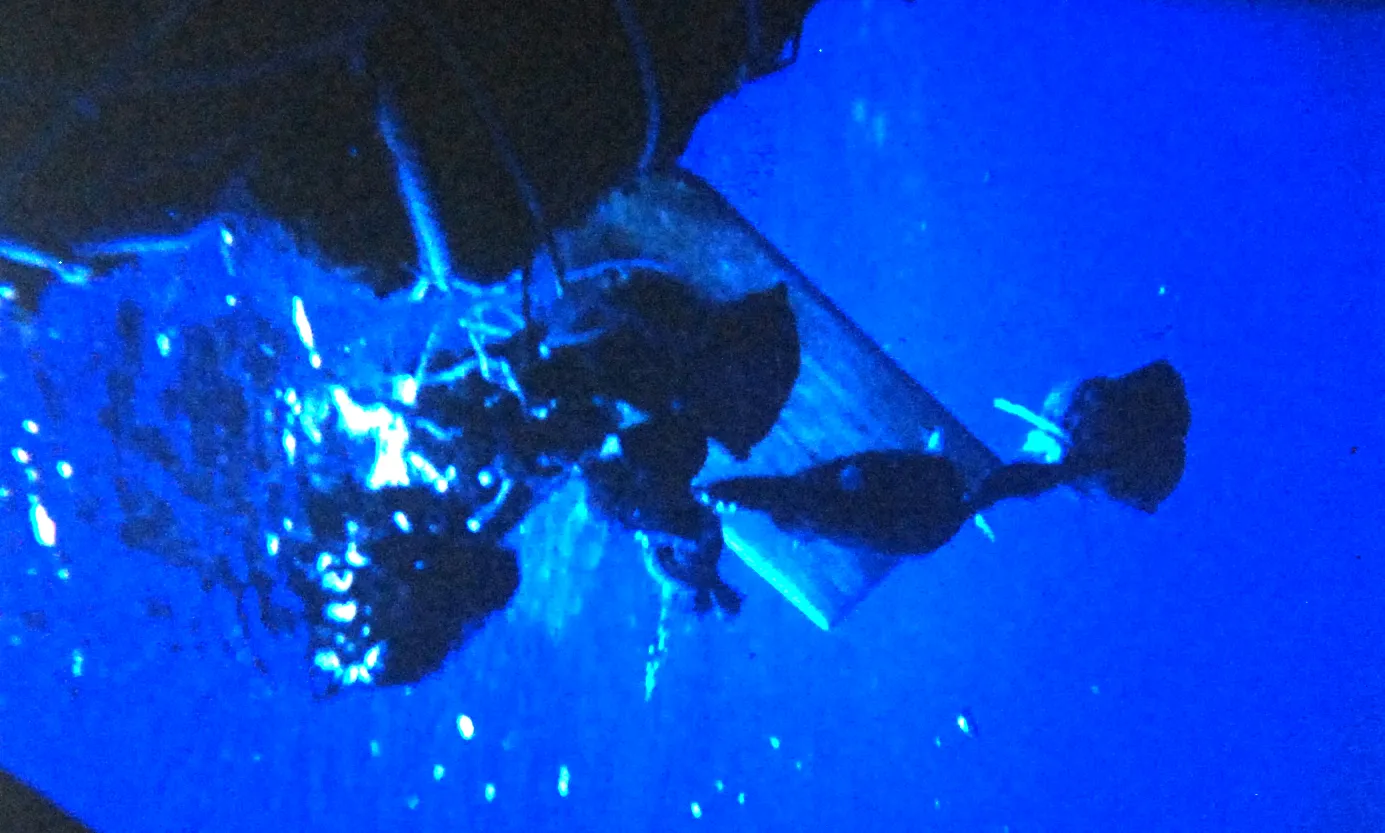
Cultivated plants, seafaring, and even mummification are somehow connected. Certainly, many plants spread across the Earth independently of humans through their seeds and fruits (diaspores). However, the shamanic plants of the Altiplano—namely tobacco and also the coca plant—could not have reached the hands of Egyptian mummy preparers by means of birds or oceanic drift. The drift experiments conducted on all ABORA vessels (image in the center: ABORA III) demonstrate that cultivated plants lost too many resistances during domestication to survive such enormous drift distances while remaining viable. This image shows the towing of thousands of seeds and fruits that were tested for saltwater resistance and long-term buoyancy over many years at the IKP Gatersleben in cooperation with Dr. Andreas Börner. The underwater image was taken after “only” 85 days.By that time, almost all diaspores had lost their ability to float.How did the mummy makers obtain the nicotine used for the preservation of Ramses II?
Conclusion and outlook
The discovery of nicotine and cocaine in Egyptian mummies is one of the most provocative and, at the same time, best-documented findings in the debate about pre-Columbian contacts. It forces us to go beyond purely theoretical models and consider biological, archaeological, and experimental data together. Whether tobacco reached the Old World through early trade contacts, cultural exchange, or other previously underestimated routes remains the subject of ongoing research.
What is certain is that the tobacco mummies are not a marginal phenomenon, but a key issue for understanding early processes of globalization. In conjunction with maritime experiments such as the ABORA expeditions, botanical drift studies, and new archaeometric analyses, they help to redraw the picture of the prehistoric world in a new and more nuanced way —beyond simple dividing lines between the “Old” and the “New” World.

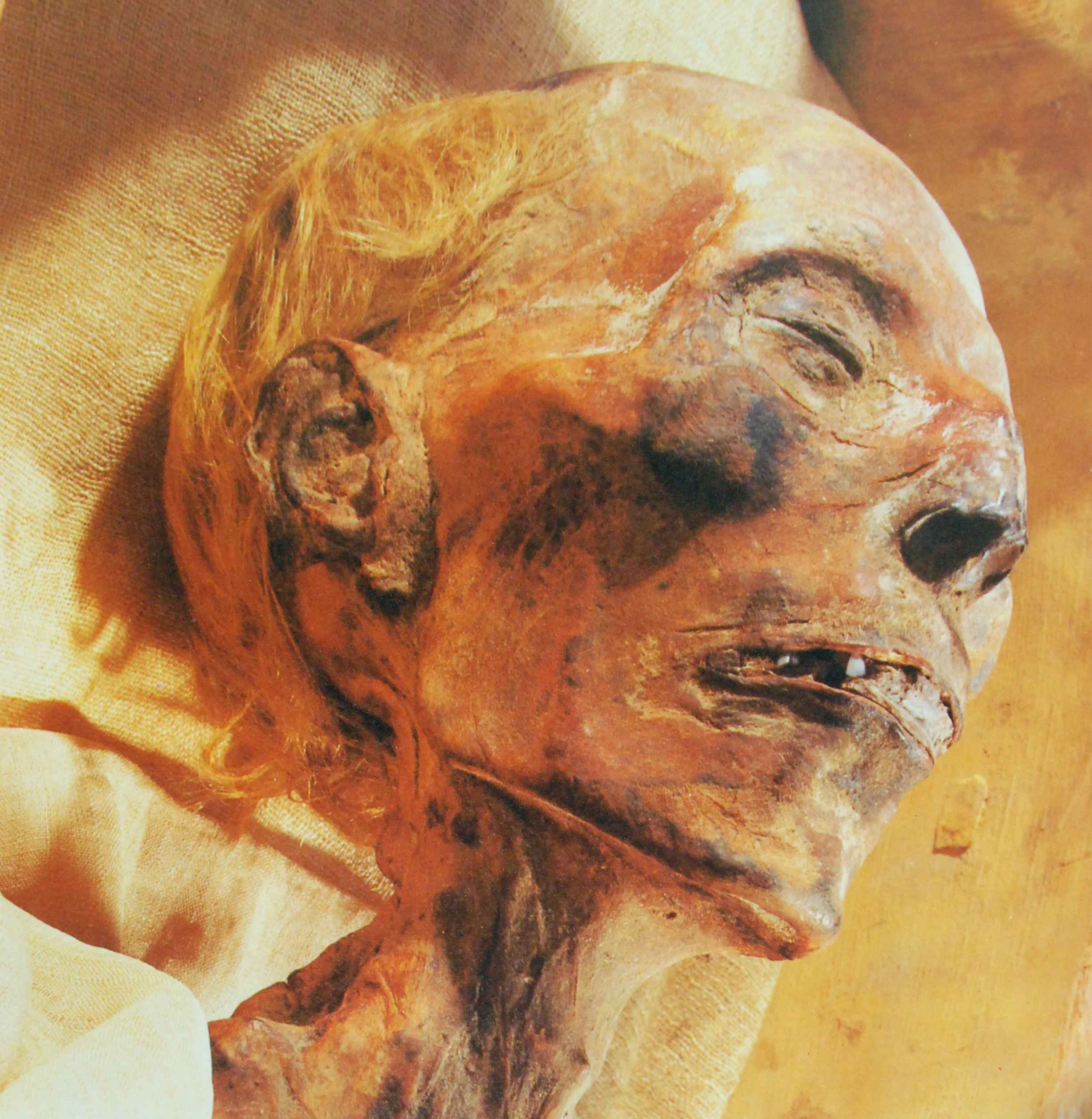
The tobacco plant was domesticated in South America thousands of years ago. It does not actually produce nicotine for us humans, but for itself as a “protective alkaloid” against insect damage. Modern genetic studies have found that this cultivated plant was crossed from two ancient American wild species in the Altiplano. This makes it clear that in Africa, where there is an ancient relic tobacco plant but no tobacco, there were no other ancestors that are now extinct that could have served in any way as a “nicotine source”!
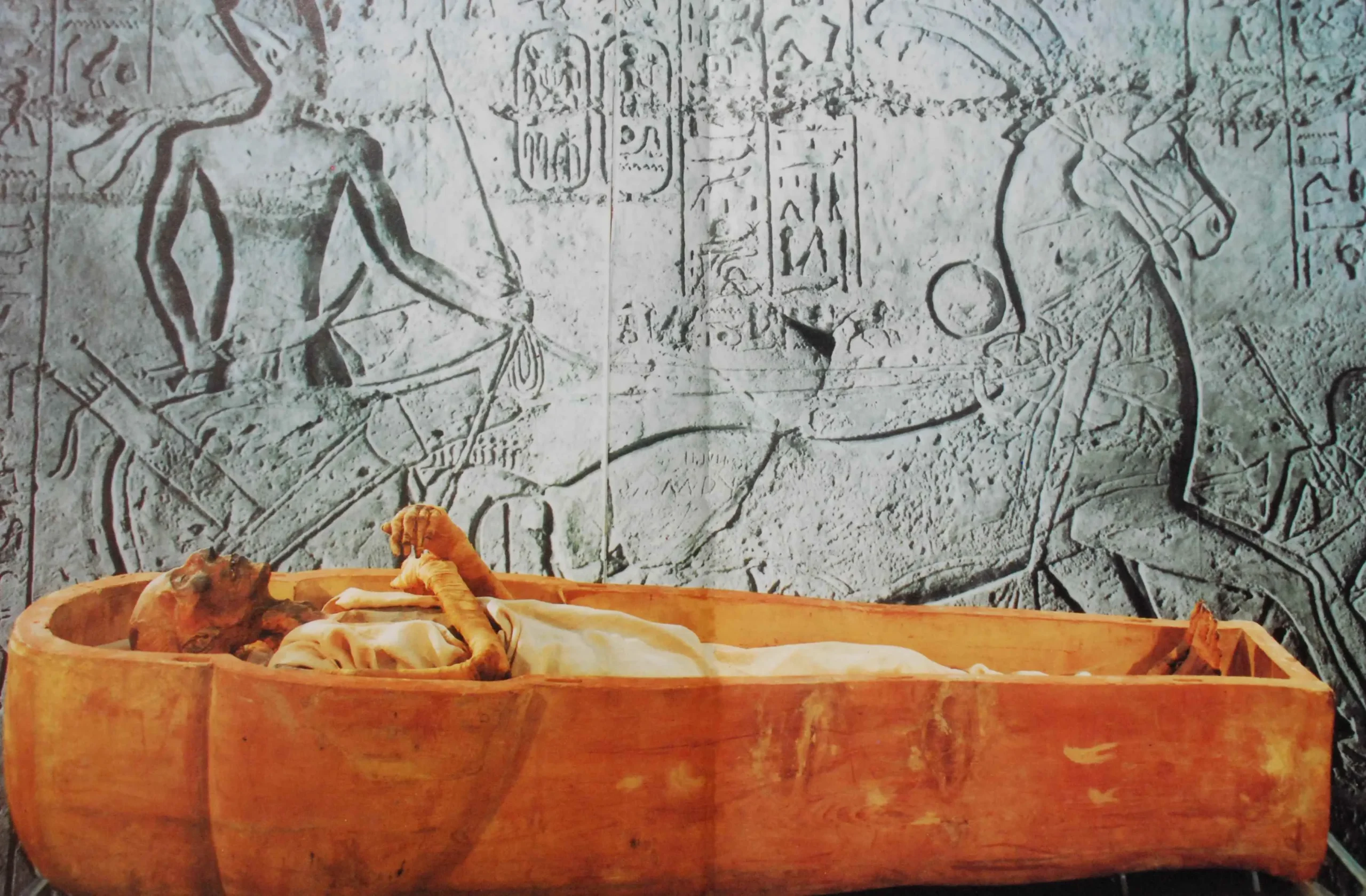
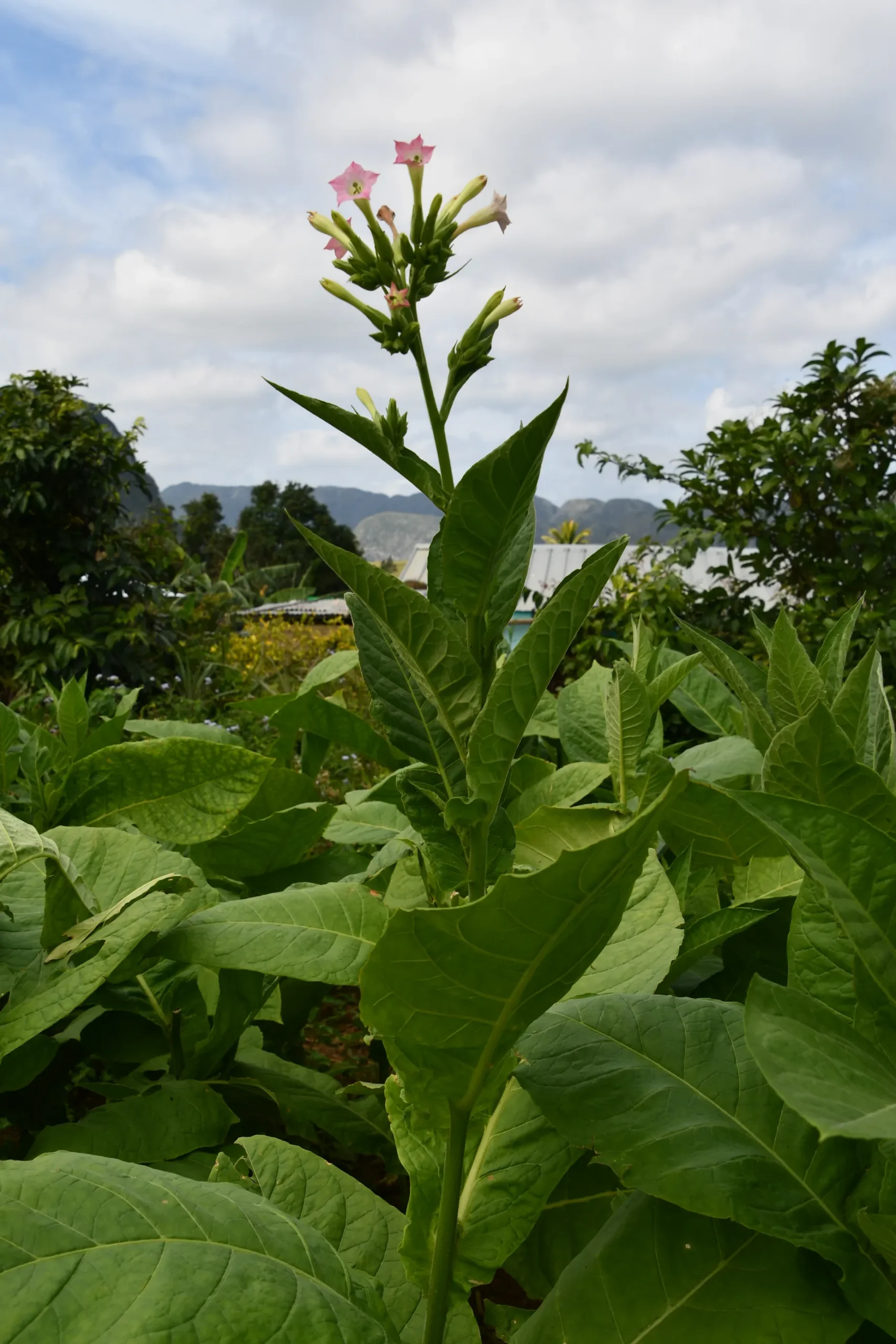
A powerful king endured the ages. Why did the Egyptians go to such lengths to mummify their kings? Why did they procure the most valuable ingredients from literally every corner of the world?
Quite simply: after her death, her role as “patron saint” of the Egyptian people did not end. Every night, the pharaoh's physical soul had to be able to return to her intact body. If not, not only his soul but also his people were in danger and lost! That was why the ancient Egyptians spared no expense or effort to protect the human remains of their kings from decay.
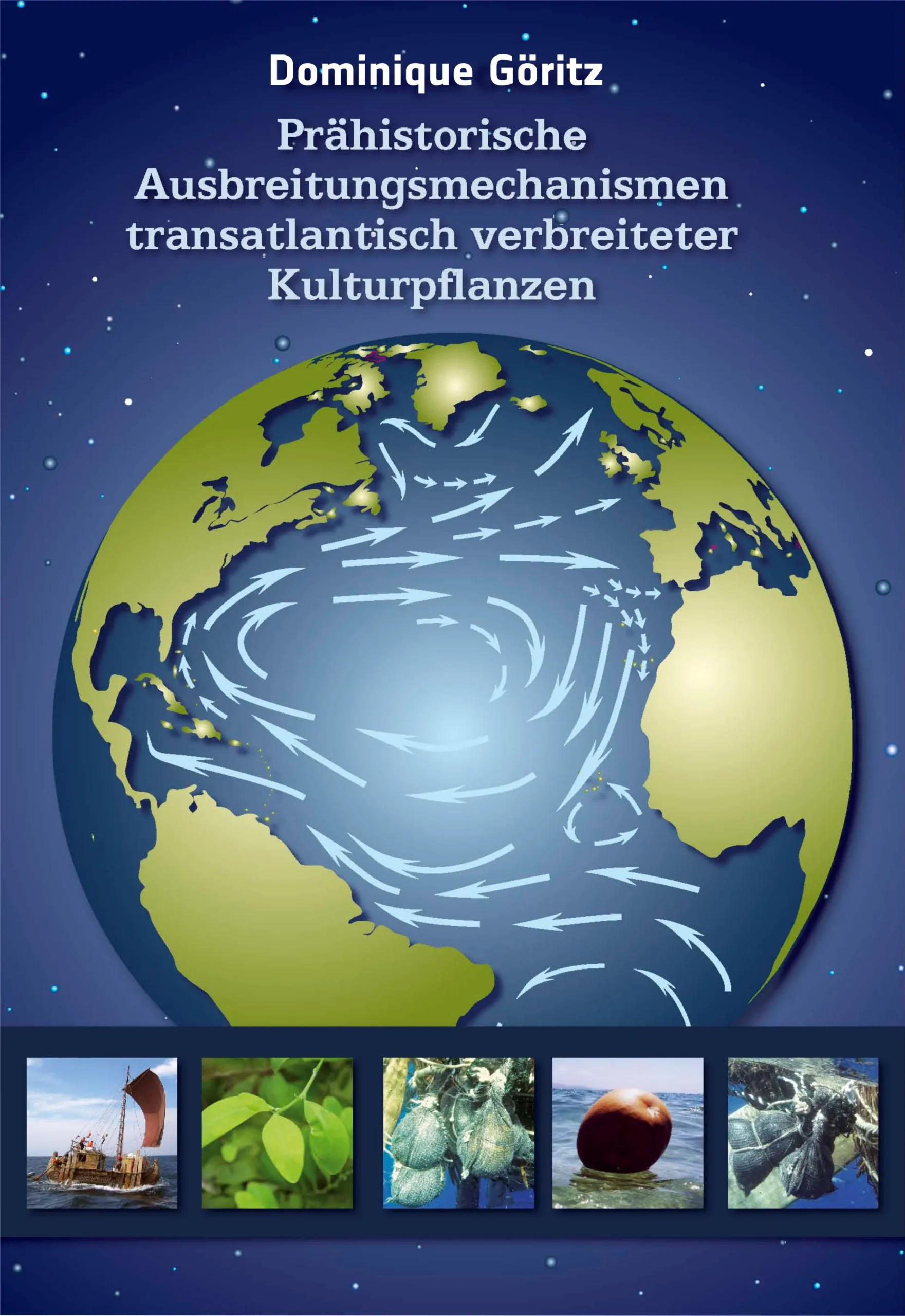
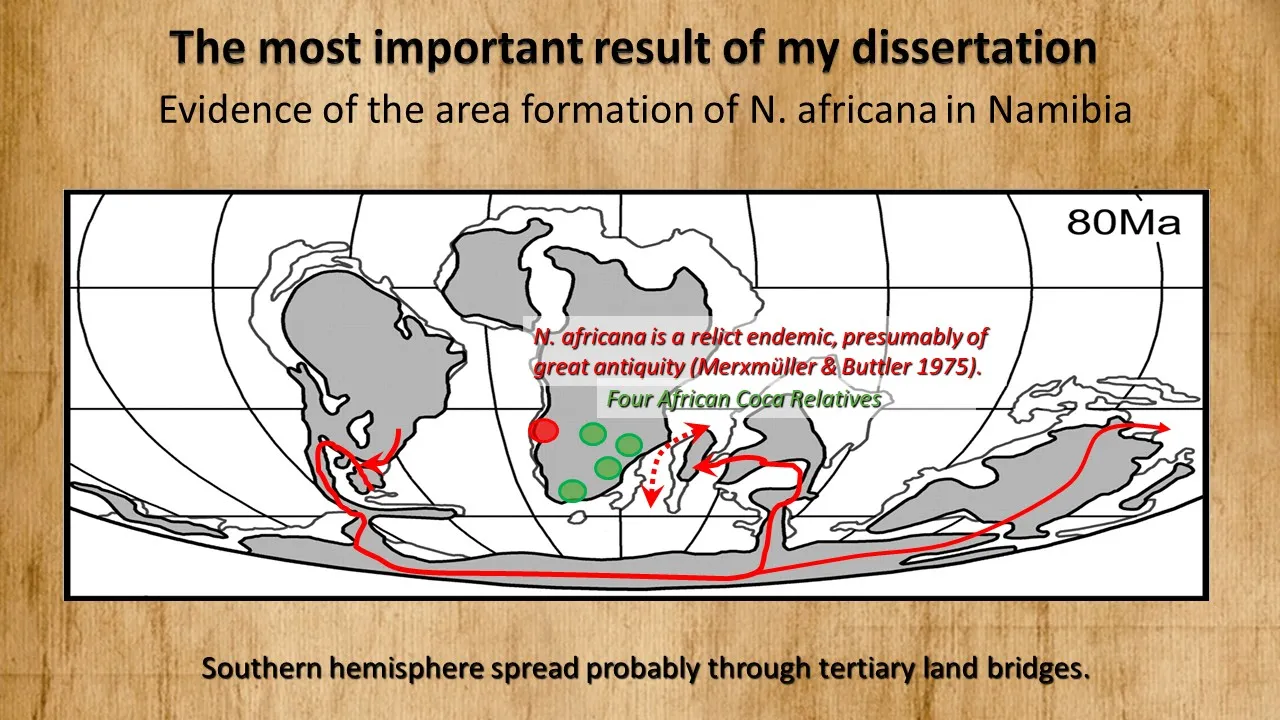
The cover of Dominique Görlitz's doctoral thesis (2012) (left). It deals with the little-noticed research on the transatlantic spread of Old and New World crops. The four crop families—tobacco and coca from the New World, and bottle gourd and cotton from the Old World—provide special evidence of overseas contacts before Columbus.
The graphic on the right presents one of the most important findings of the dissertation: ancestors of tobacco and coca do indeed exist in Africa and Madagascar. However, these are ancient relict endemics that reached the Old World from South America more than 80 million years ago via island bridges (red line). These early ancestors have never produced alkaloids such as nicotine or cocaine. Using the example of the two domesticated cultivated tobacco species, we now know that each was bred from two ancient American wild species originating in South America. This can only mean that the genuine tobacco leaf finds in Ramses II (Lescot 1976), as well as the more than 3,000 nicotine findings by Balabanova (1992–1998), are the products of a long-distance trade that has since been forgotten. We can only speculate about the routes and the peoples involved. The Canary Islands and Cuba projects provide, for the first time, scientific evidence that casts the old theories of Humboldt and other scholars in a completely new light.
back