
Chapter 1
General information – The mystery of the Canary Islands pyramids
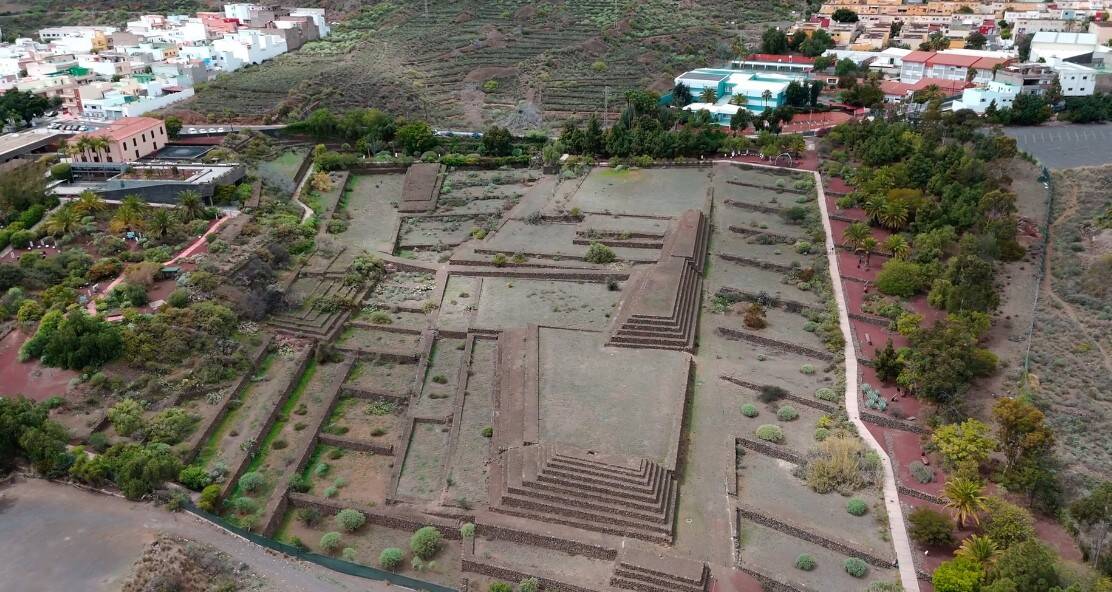
The step pyramids of the Canary Islands are among the most controversially discussed structures in the Atlantic region to this day. Although they have been known for centuries, their date of origin, function, and cultural classification remain unclear. While some researchers interpret them as modern agricultural structures or 19th-century cairns, numerous structural, astronomical, and archaeological features point to a much older, possibly prehistoric origin.
The pyramid complex at Güímar on Tenerife attracted particular attention due to its clear stepped architecture, precise stonework, and recurring alignment patterns. However, comparable structures can also be found on other islands in the archipelago, including La Palma and Lanzarote, which argues against a purely local or short-lived building tradition. Rather, the distribution of the structures points to a supra-regional, culturally anchored phenomenon.
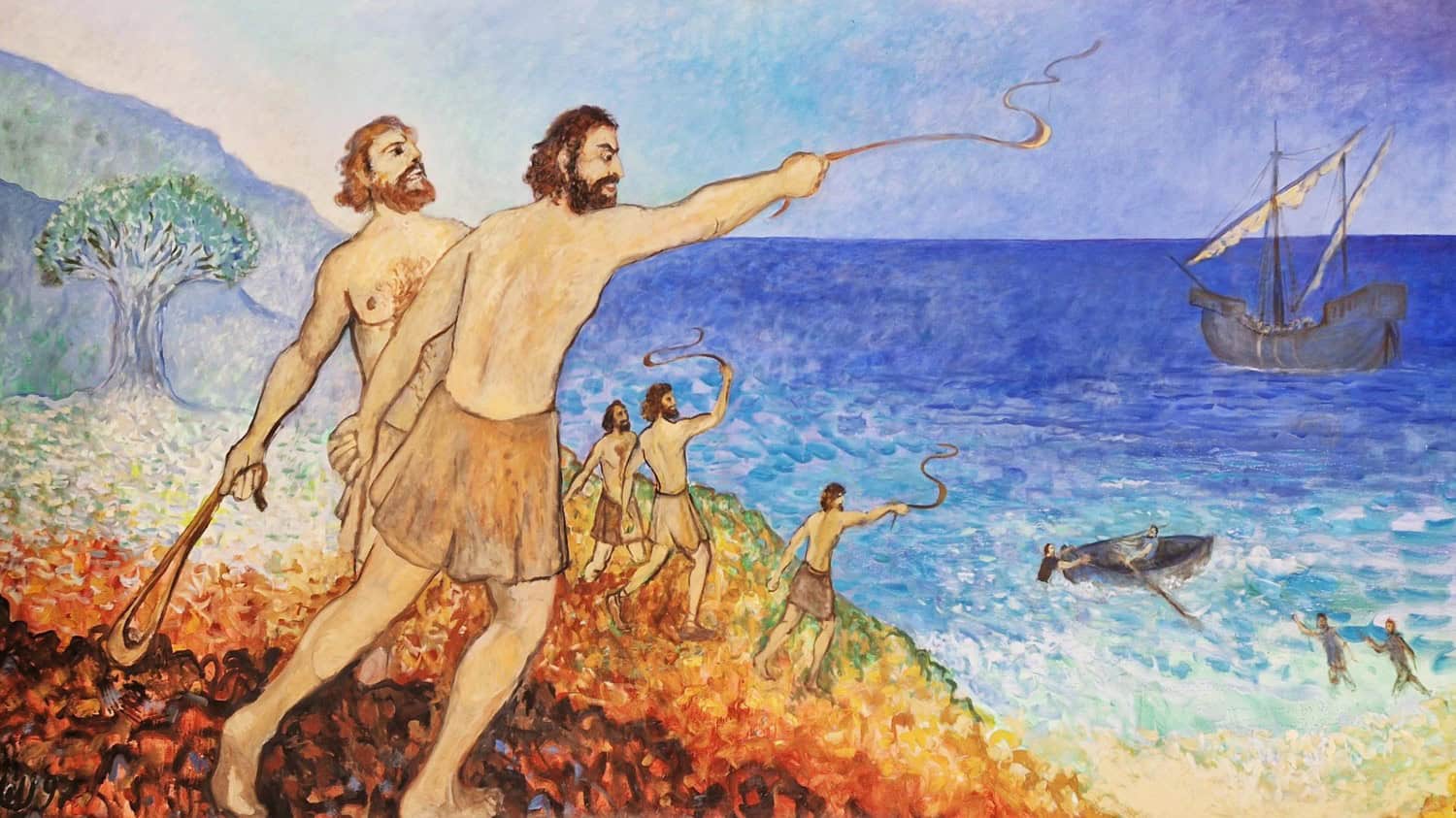
The debate surrounding the Canarian terraced buildings touches on key questions in Atlantic research: When were the Canary Islands first permanently settled?
What technical and cultural skills did their early inhabitants—the Guanches—possess? And were they possibly in contact with cultures in the Mediterranean region or North Africa long before European expansion?
Chapter 2 - OSL dating of the first stages of construction
Until now, it has been officially assumed that the Canary Islands were settled relatively late, around 1,000 BC, presumably by the Phoenicians. However, they had long since stopped building step pyramids, favoring a different type of sacred architecture instead.
For this reason, the majority of archaeologists reject the interpretation of these stepped structures as step pyramids. They recognize them as stone piles used for clearing fields or other agricultural purposes. However, this interpretation stands in stark contrast to the accounts of the first Spanish chroniclers who recorded the legends of the Guanches. In these accounts, the step structures are clearly defined as products of Guanche culture for ritual purposes. Furthermore, the term “step pyramid” is misleading. Rather, they should be referred to as “ziggurats” according to the ancient Mesopotamian model, as they were not tombs like those in Egypt.
The following subprojects each focus on a central aspect of this complex field of research: from OSL dating of early stepped structures to biochemical analyses of Canarian mummies to astronomical alignments and extraordinary individual finds such as the human tooth from Lanzarote. Together, they aim to shed new light on the mystery of the Canarian pyramids from different perspectives—openly, verifiably, and beyond established patterns of interpretation.