

As early as 1999, a research journey brought me to the fascinating volcanic island of Pantelleria, located between Sicily and Tunisia — a cultural crossroads in the very heart of the Mediterranean. What struck me most were the so-called „Sesi“”: stepped circular stone structures built from dark volcanic rock, scattered across the island.
At first glance, these Bronze Age monuments appear both archaic and architecturally sophisticated. Beneath their layered stone constructions lie burial chambers, which is why they are often interpreted as funerary monuments. Yet their terraced, stepped design evokes broader architectural traditions of early monumental building in the Mediterranean world.
Pantelleria was never isolated. The island occupied a strategic position along important maritime routes linking North Africa, Sicily, and the eastern Mediterranean. Its obsidian was traded widely in prehistoric times — clear evidence of early seafaring networks and long-distance exchange. The Sesi therefore represent not only a local architectural expression, but also the cultural dynamism of an island that stood at the intersection of civilizations for millennia.
For me, Pantelleria remains a key site — a stone archive rising from the sea.
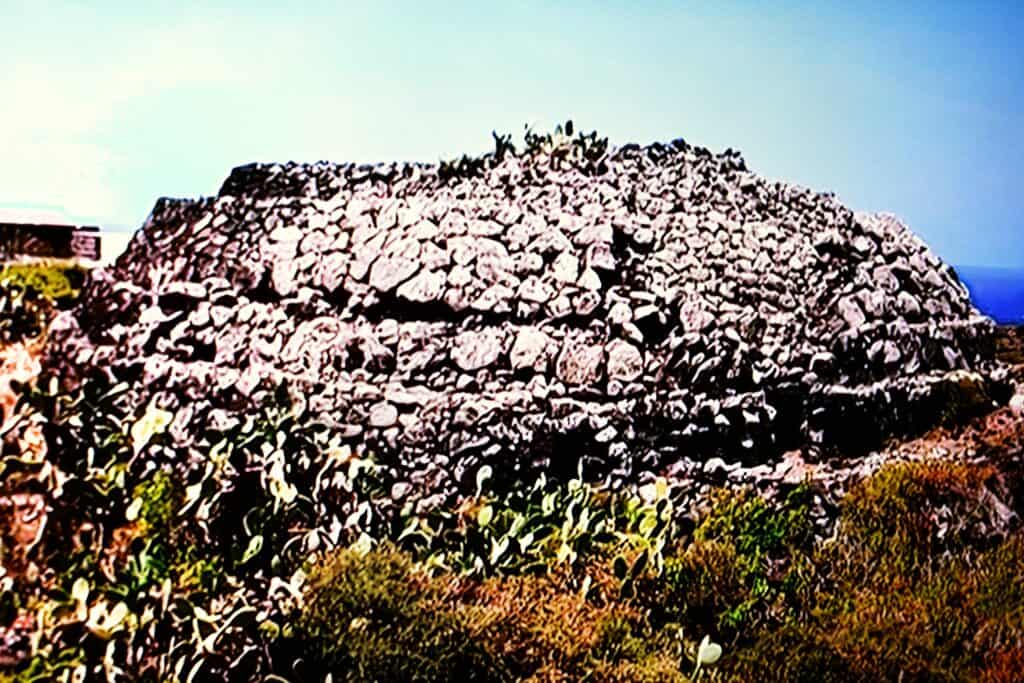
Typical monumental stone structures from the Bronze Age on Pantelleria. At first glance, they appear somewhat megalithic, yet surprisingly well-constructed. Due to the numerous burial chambers, they are often interpreted as burial mounds.
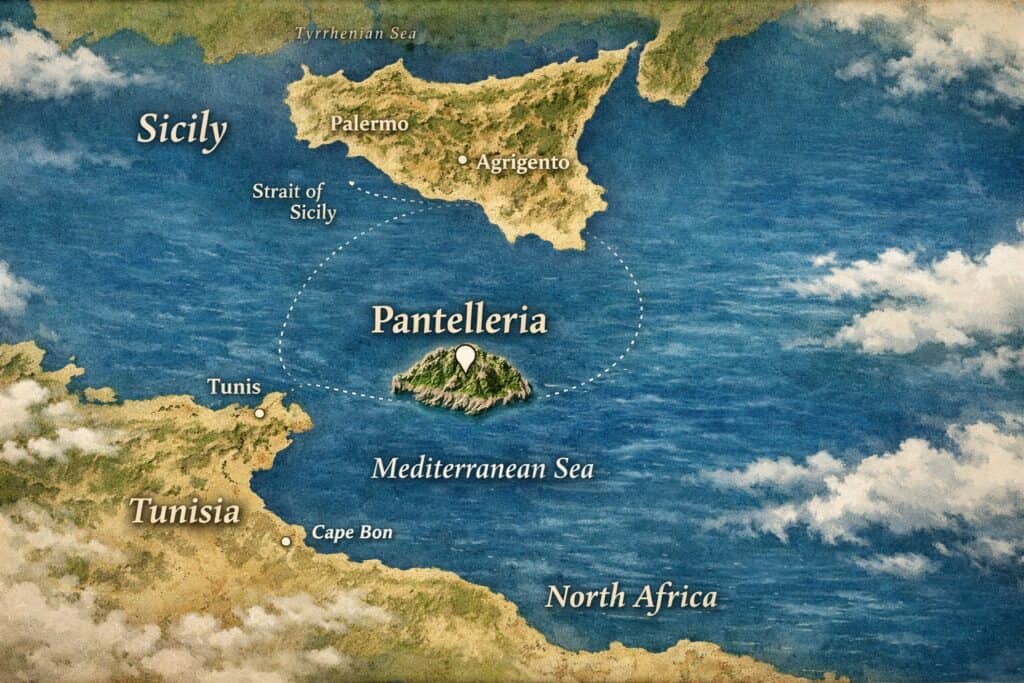
Pantelleria is located halfway between Sicily and Tunisia. The small island covers approximately 83 km². It is of volcanic origin, with its highest point being Montagna Grande (836 m).
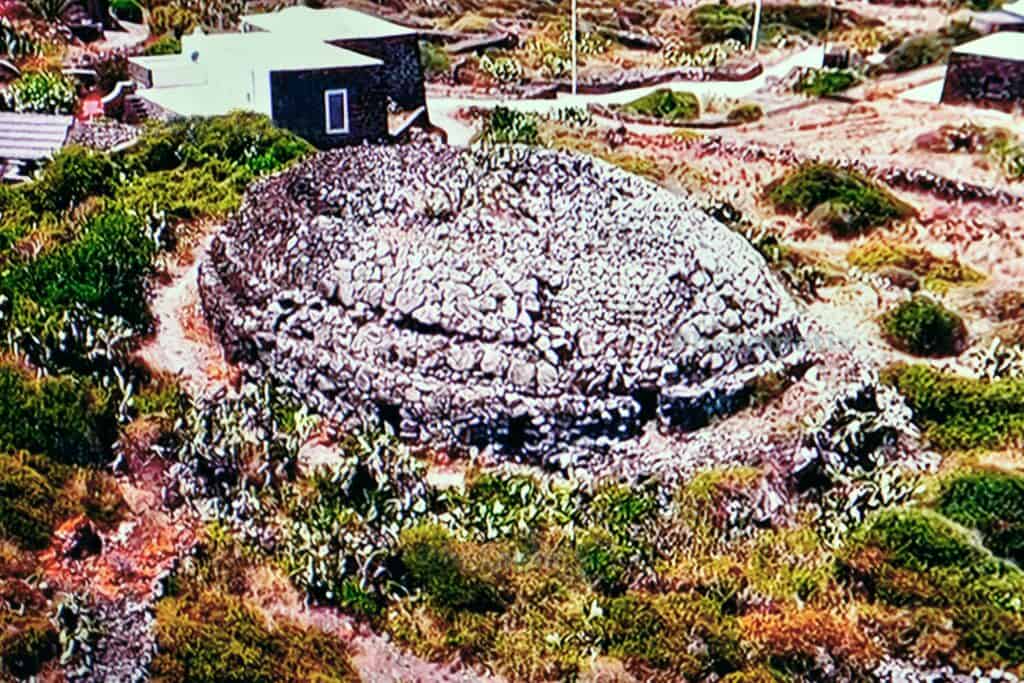
Because of their terraced construction, they are often confused with the step pyramids of the Mediterranean. However, they are not related to them at all. They are more than 1,000 years younger than the ziggurats in Sicily and Sardinia, which also places their origin in the Middle Bronze Age.
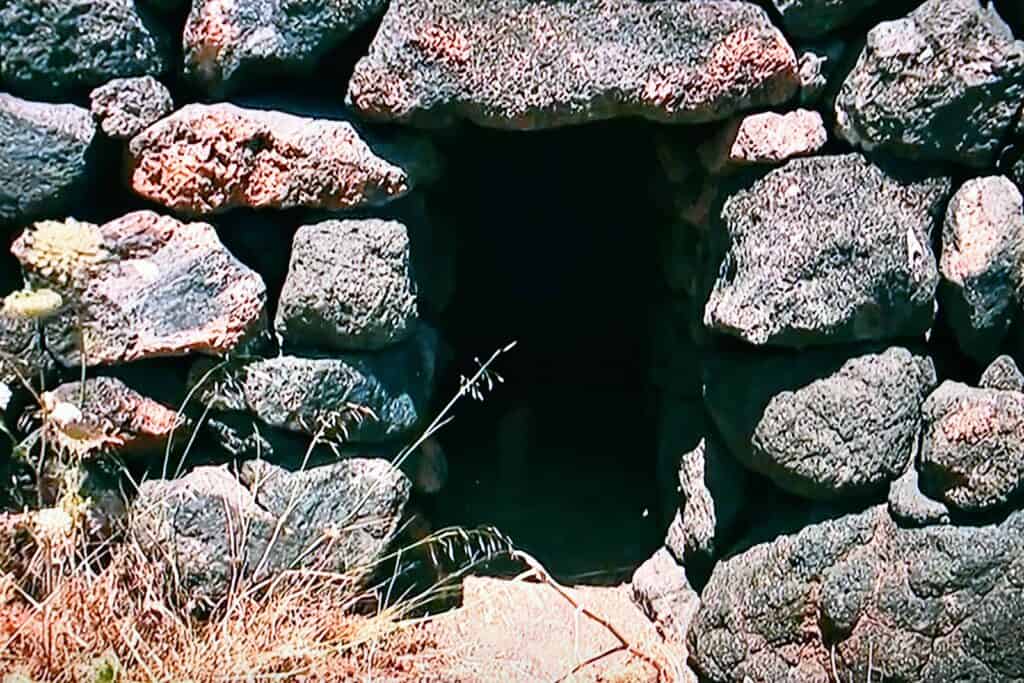
Entrance to one of the so-called burial chambers. The stone arrangements are constructed using dry stone masonry. I personally visited the largest chambers in 1999.
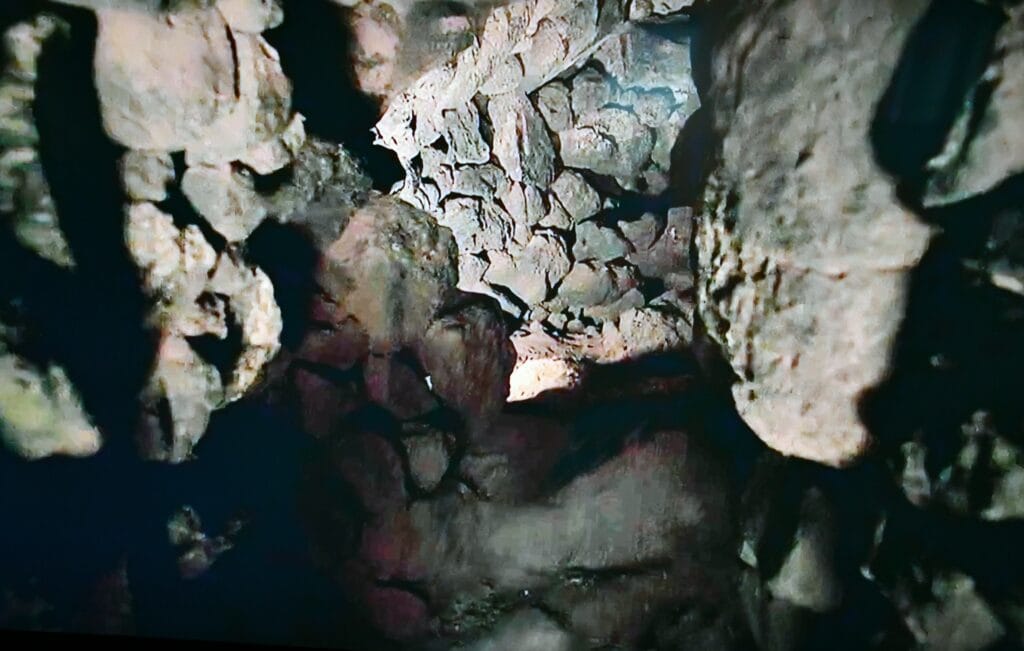
A view inside the stone burial chambers. At the time, there was no further information about finds or any excavations at the structure. Some of the passages extend more than 6 meters deep into the building. Others are quite short. With very few exceptions (perhaps added later?), such "chambers" are not found in classic stepped pyramids.
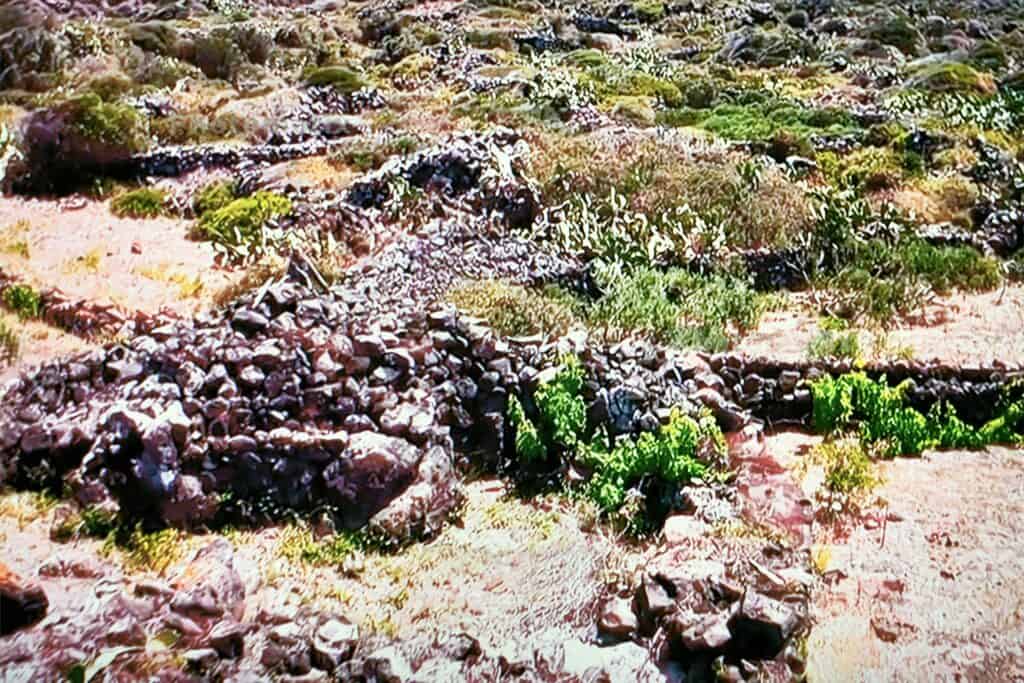
The so-called "Pantelleria Cemetery." Archaeologists believe this to be the burial site of the Sesi's master builders. Here, too, the form and architecture reveal connections to neighboring islands. This site suggests that the chambers of the circular buildings likely served other purposes, but what those purposes were remains unknown.