
My trip to Morocco was extraordinary in every respect. The kickoff at Mohammed V University in Rabat, with a joint symposium and intensive discussions, marked an important milestone for our transdisciplinary research project. The open, constructive atmosphere and the great willingness to collaborate deeply impressed me.
The follow-up discussions with archaeologists, pharmacologists, and botanists were particularly enriching, opening up new perspectives – including on possible pre-Columbian tobacco traces in the Rif region. Such interdisciplinary approaches demonstrate the immense potential of networked research.
The visits to historical sites like Lixus and the impressions gained in the Rabat Museum also made clear the central role Morocco may once have played in long-distance maritime trade. Evidence of far-reaching trade contacts – trans-Mediterranean and possibly even transatlantic – is becoming increasingly compelling.
More than ever, Morocco appears as a cultural corridor between worlds – a space that should be given even greater focus in future research. I look back with gratitude on intense days full of inspiration – and I am already looking forward to continuing this exciting collaboration.
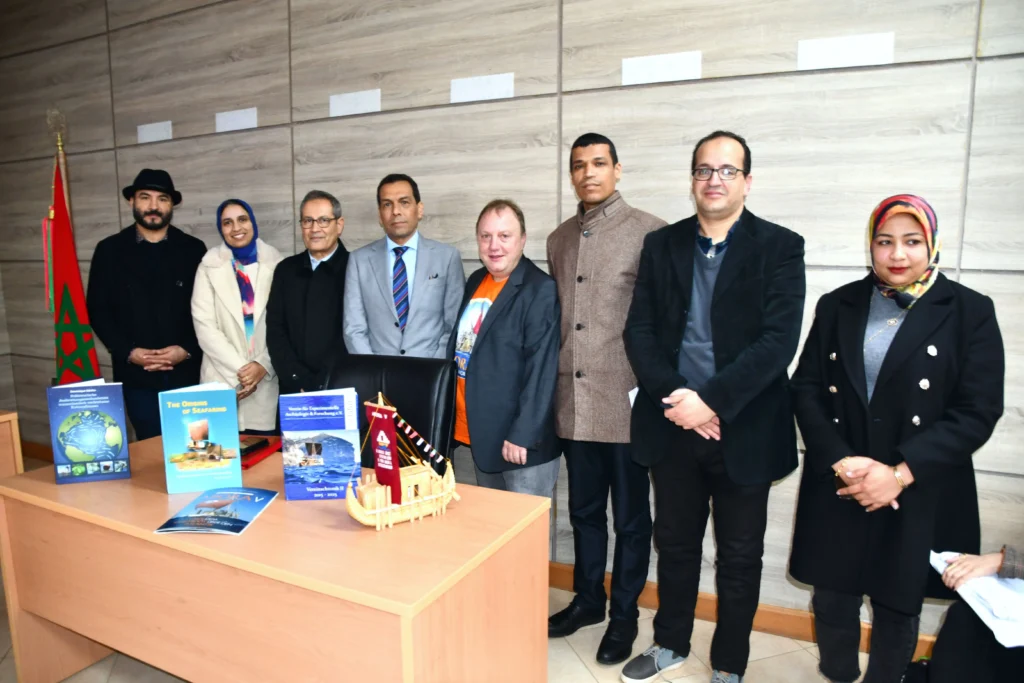
All the scientists involved in the conference were at the Faculty of Letters and Human Sciences at Mohammed V University in Rabat. There, Dominique established a new research collaboration with several Moroccan scientists.
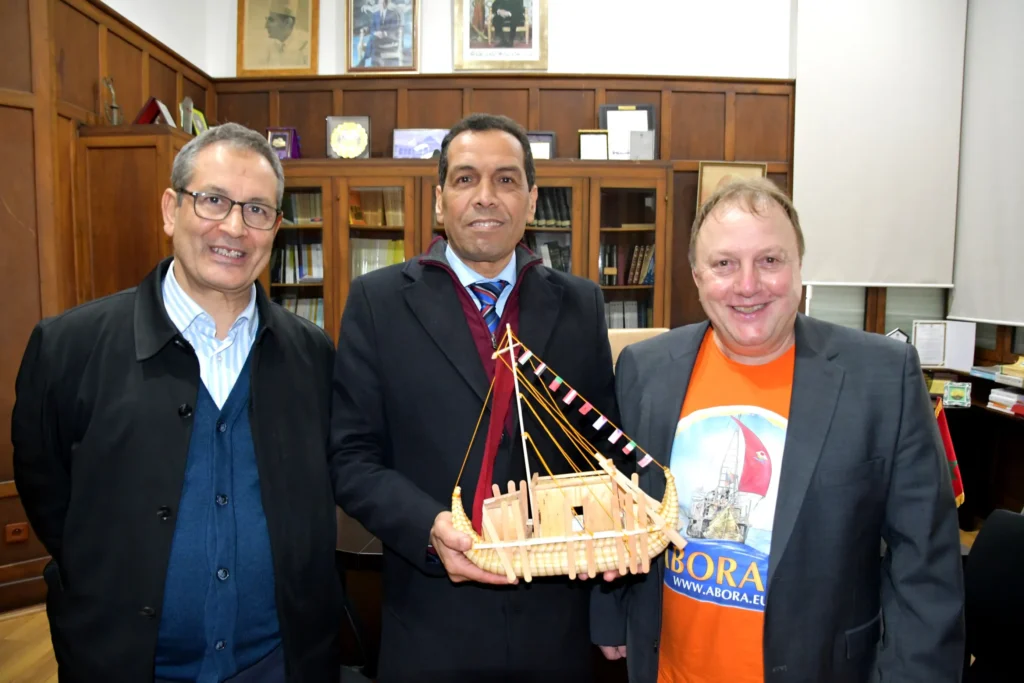
Dean Professor Zakaria Boudhim (right), together with Professor Said Bennis (left), presented Dominique with the certificate of honor for the successful conference at the university. Prof. Said developed the new term "Moroccanology" from the ABORA presentation on the possible existence of pre-Columbian tobacco in Morocco. The aim of this field is to structure a research area similar to Egyptology, but one that focuses on Moroccan genius and territorial specificities (languages, anthropology, identity, humanity, history, civilization, etc.).
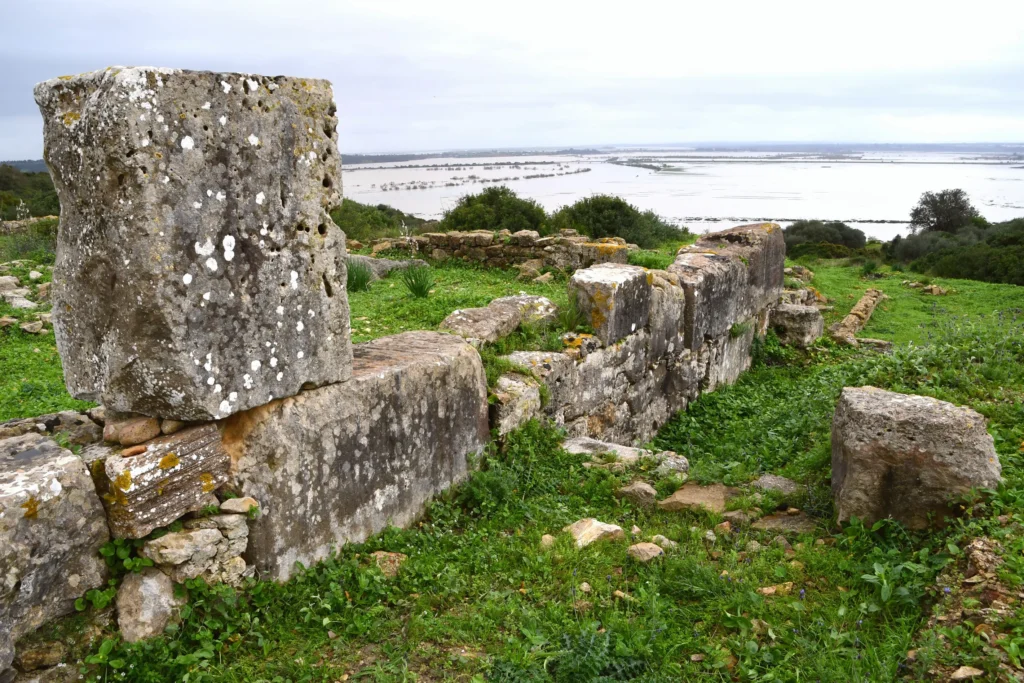
Another highlight was the visit to Lixus, near the modern city of Larache. Although an inspection of the megalithic walls near the harbor was impossible due to flooding, the oldest Phoenician remains are impressive. These walls date back to the late 2nd millennium BC.
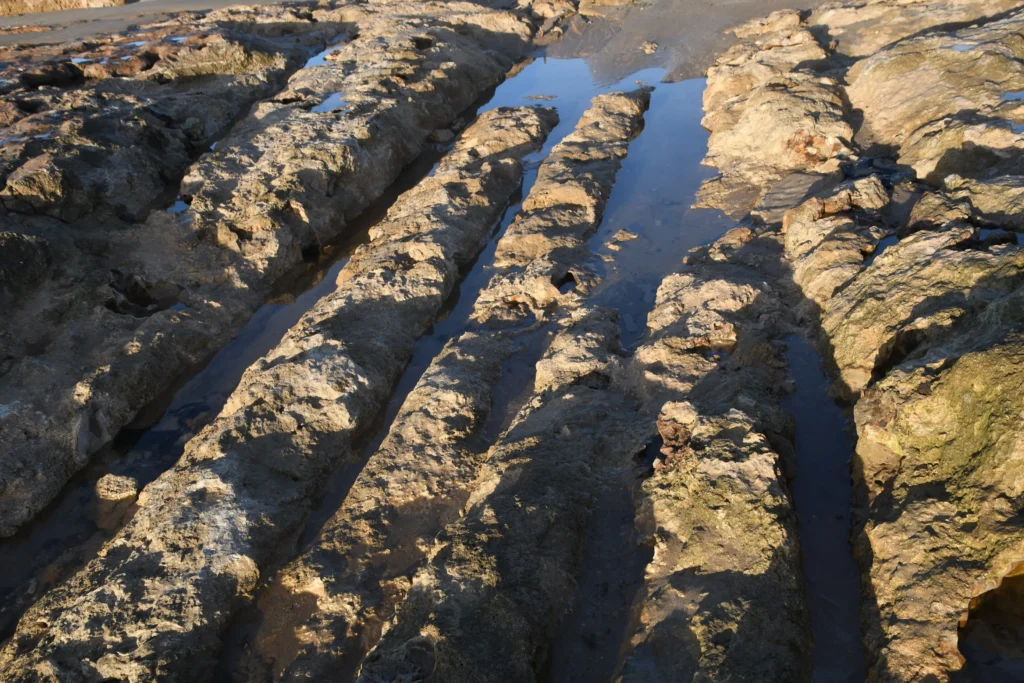
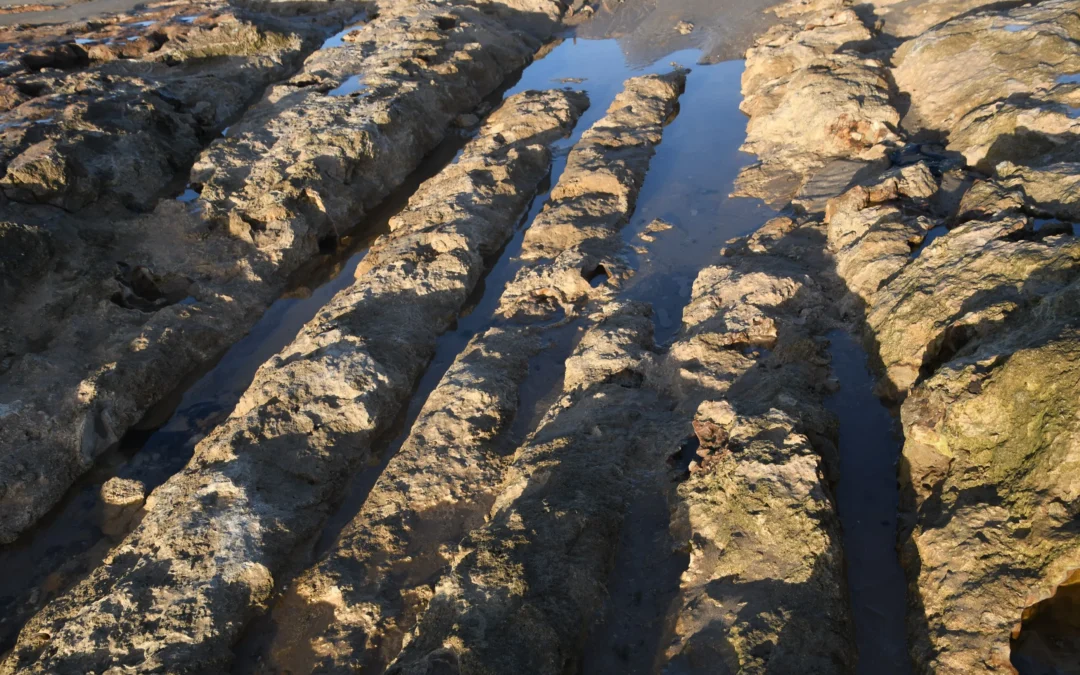
The highlight was the discovery of a previously unknown Curt Rut field north of Essaouira. This structure bears striking similarities to similar wagon-track fields found throughout the Mediterranean region, as well as in the Canary Islands and the Azores. Is this all just coincidence, or did these peoples communicate across the Atlantic Ocean much earlier than previously thought?
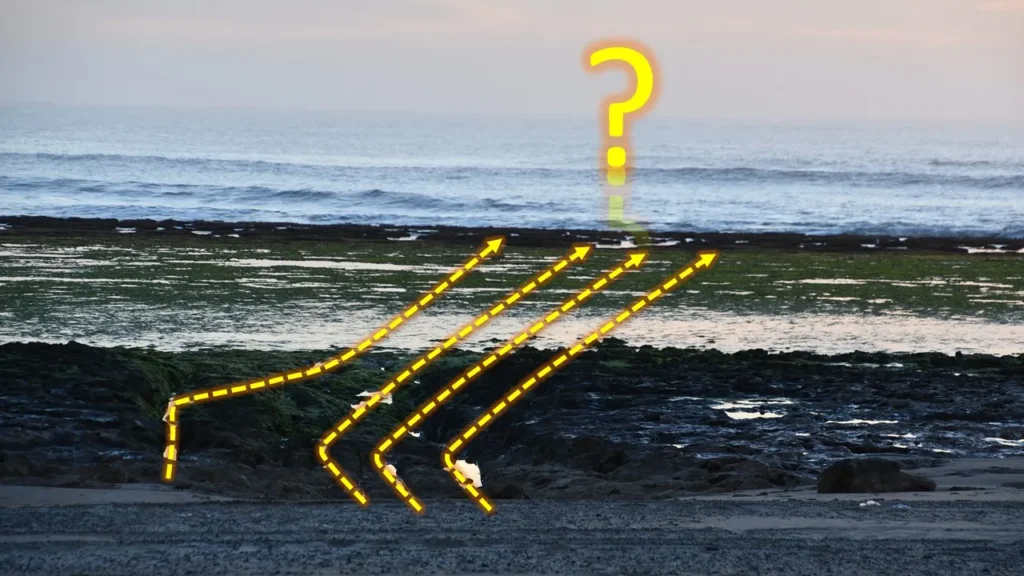
It remains the task of future research expeditions to determine where these wagon tracks lead. The same applies to the megalithic structures in Larache and Safi. Much more will be revealed by fieldwork in the coming months. The next research expedition to Morocco is already being planned!